• NEWS
  • ABOUT
  • PORTFOLIO
  • COMMISSIONS
  • BIO
  • CONTACT
Menu

Philip Singleton

  • NEWS
  • ABOUT
  • PORTFOLIO
  • COMMISSIONS
  • BIO
  • CONTACT

SOLO SHOW

‘If we turn concrete to dust, where do those memories go?’ – Christopher Beanland

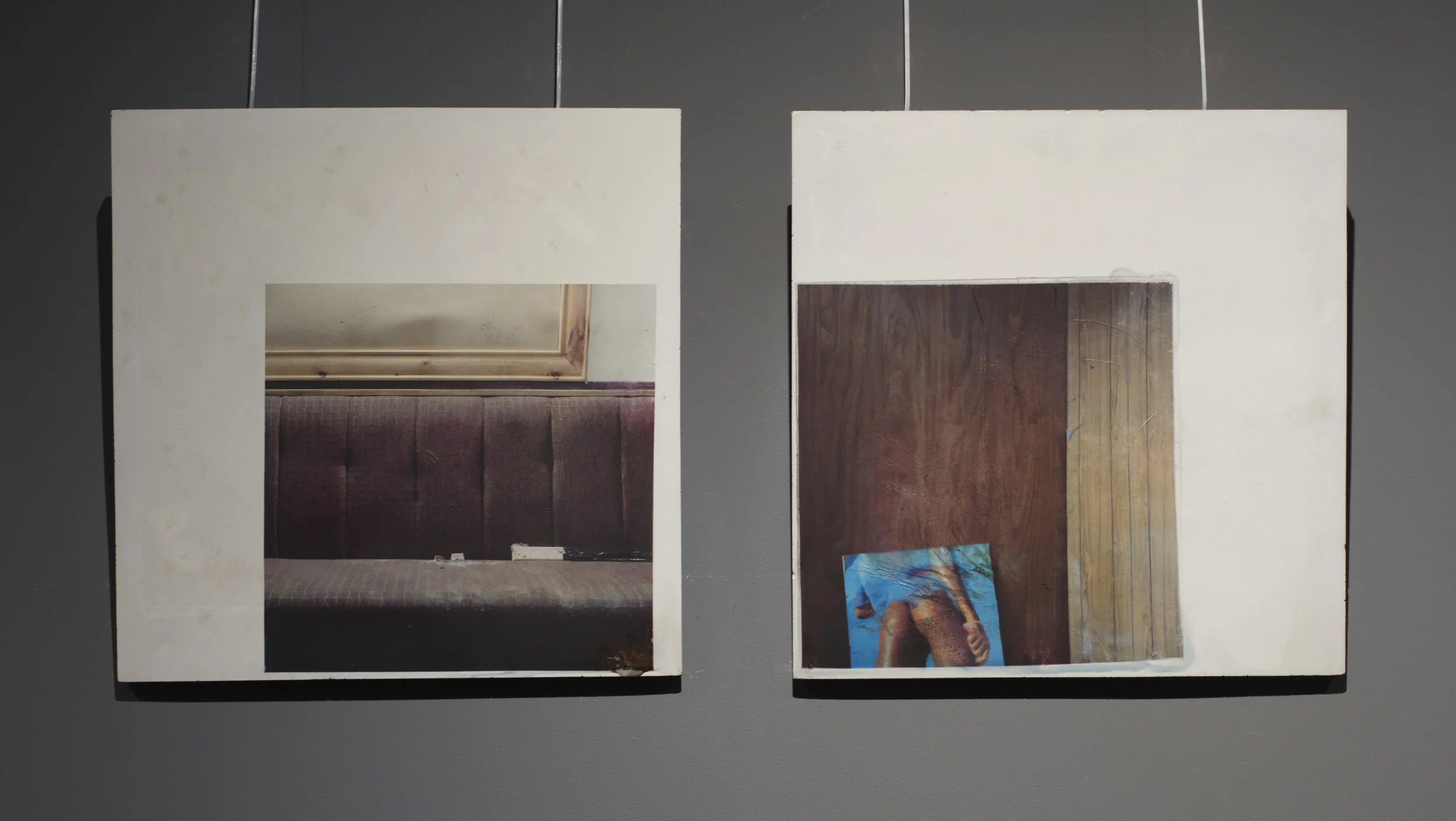
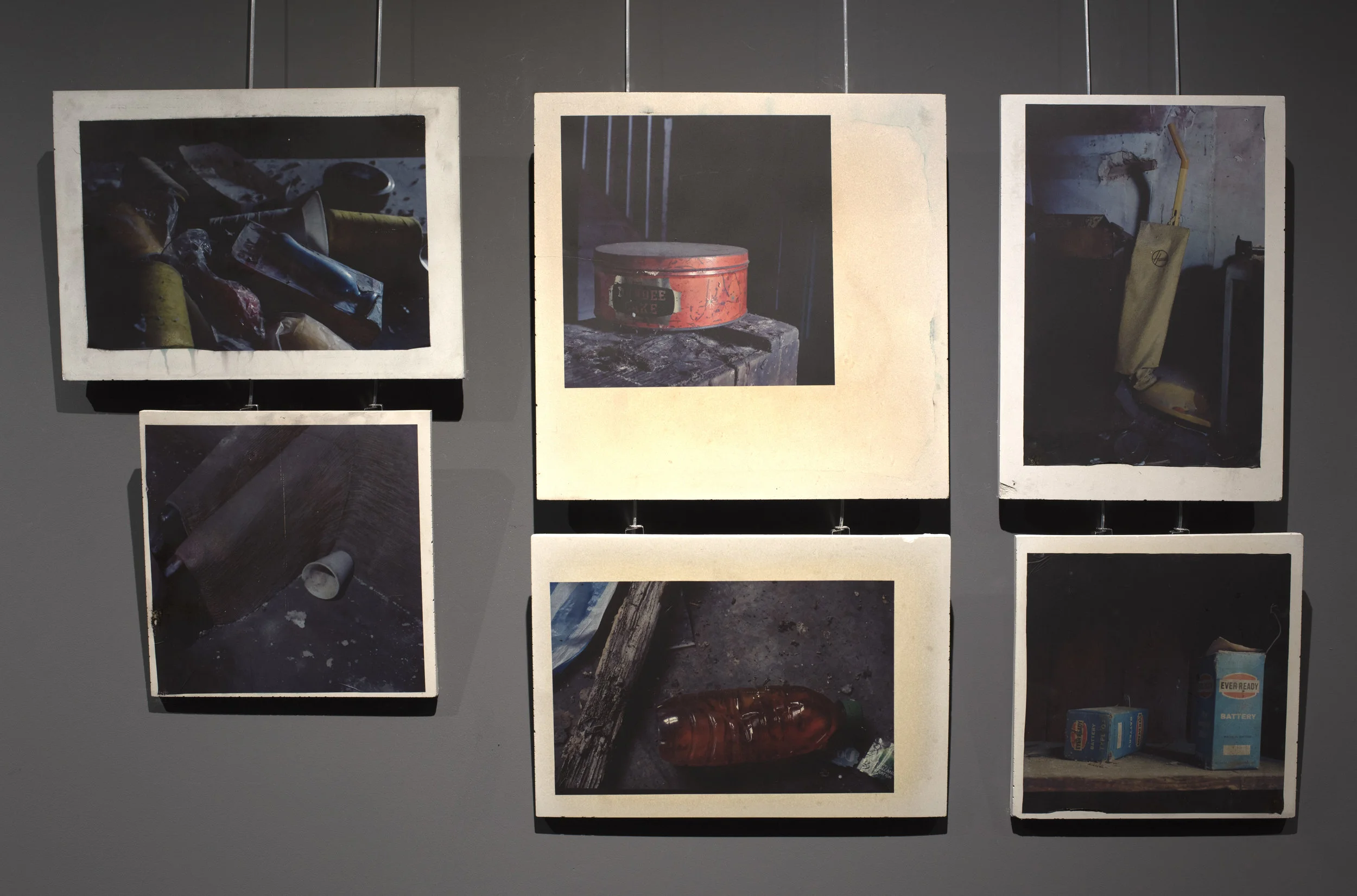
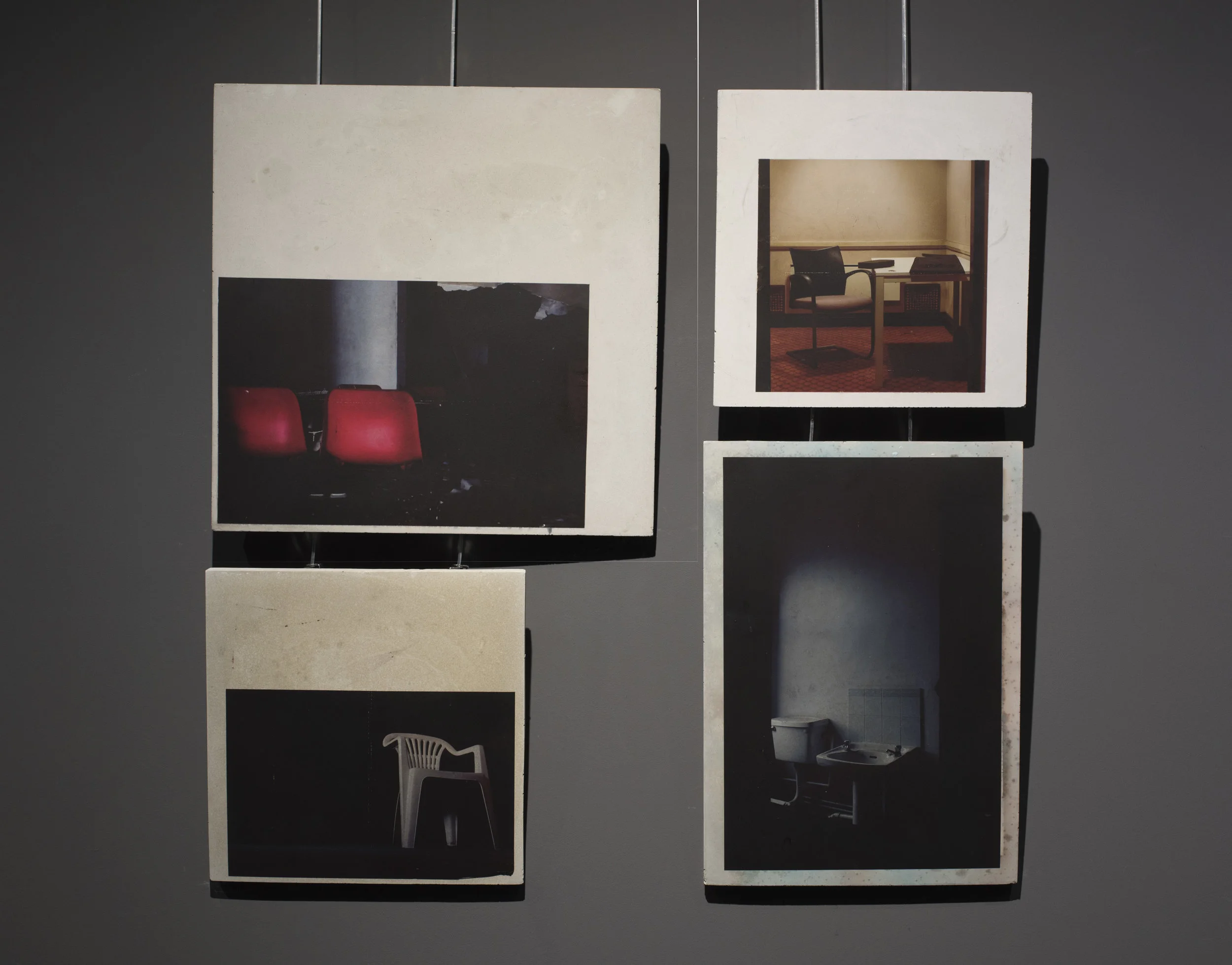
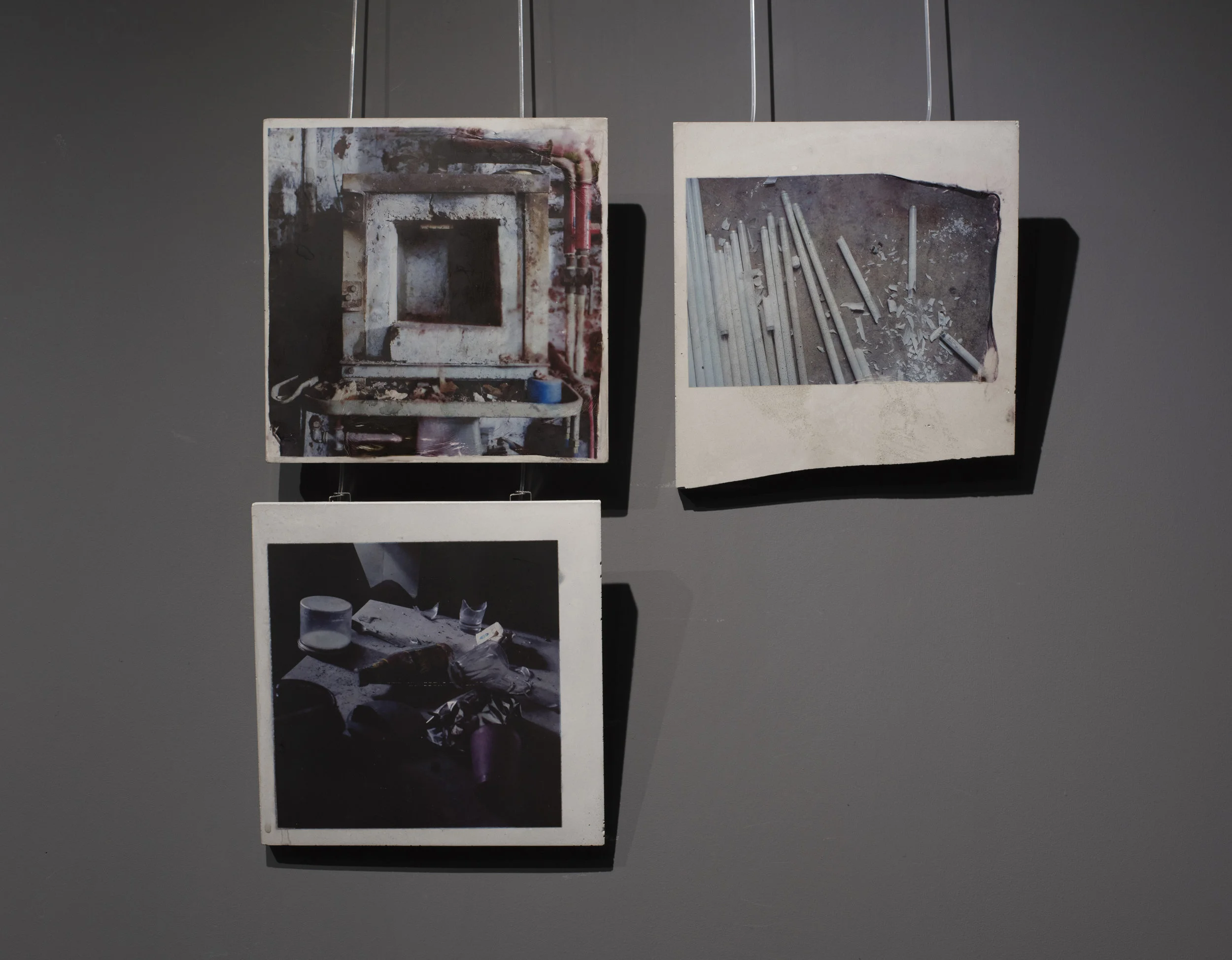
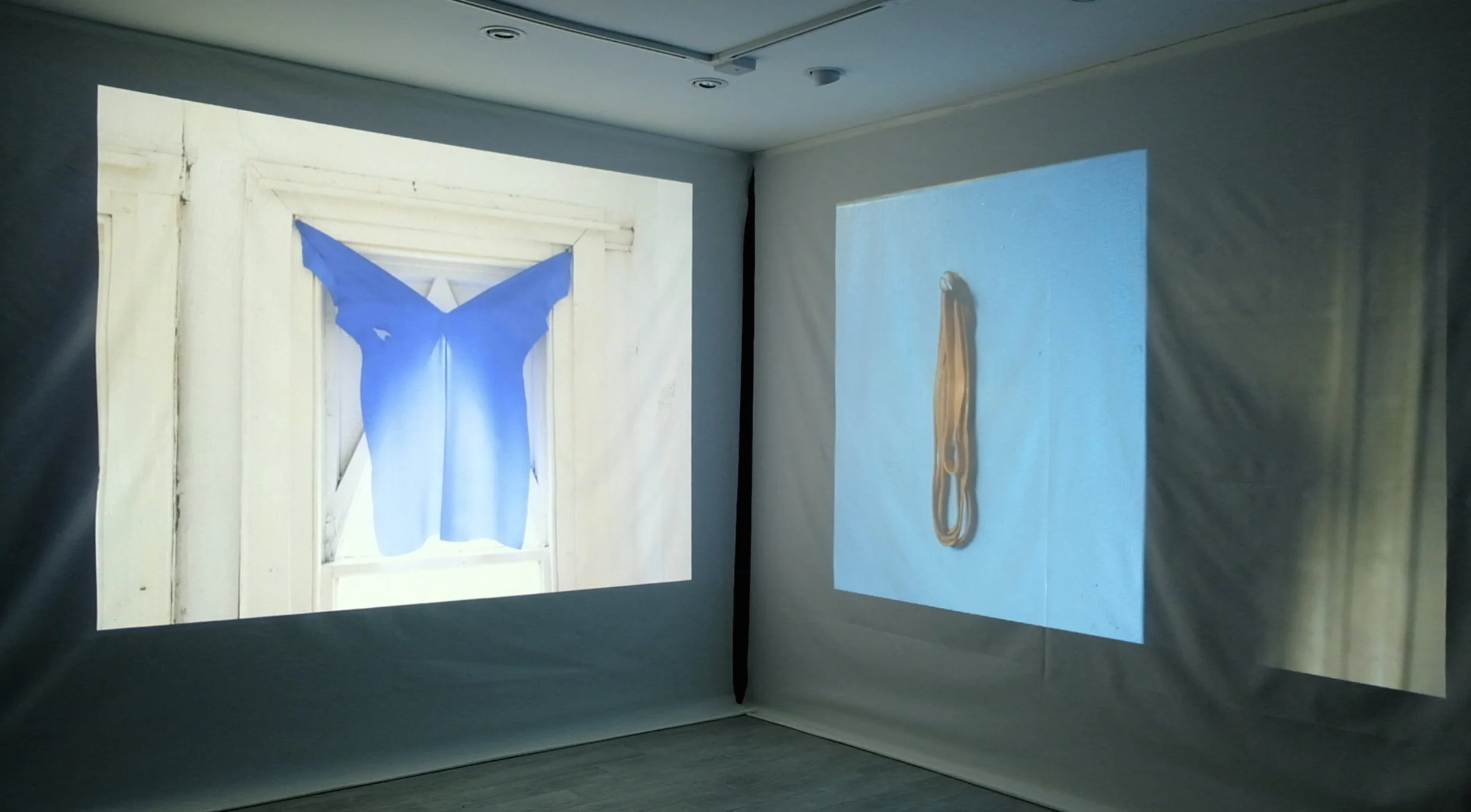
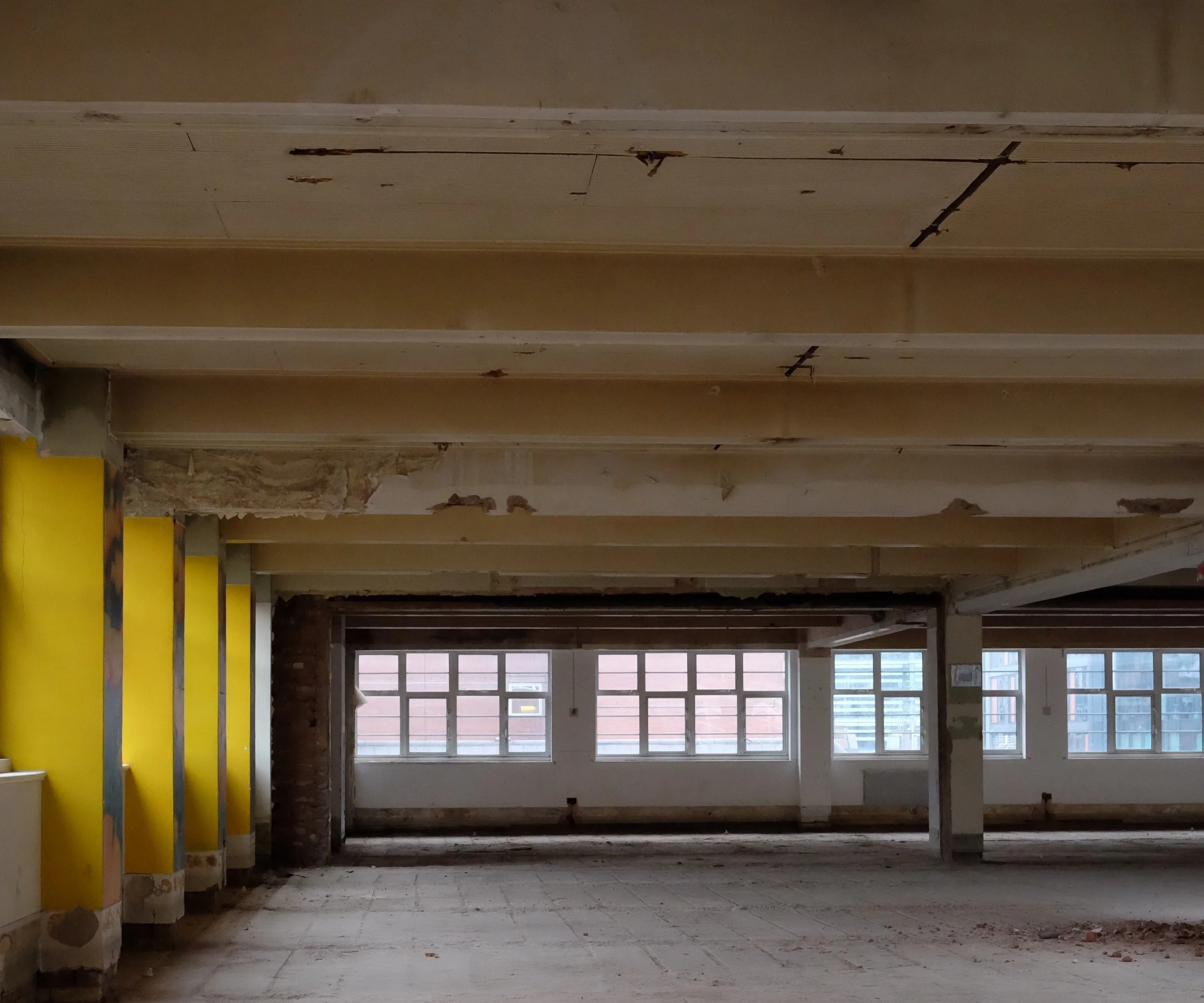
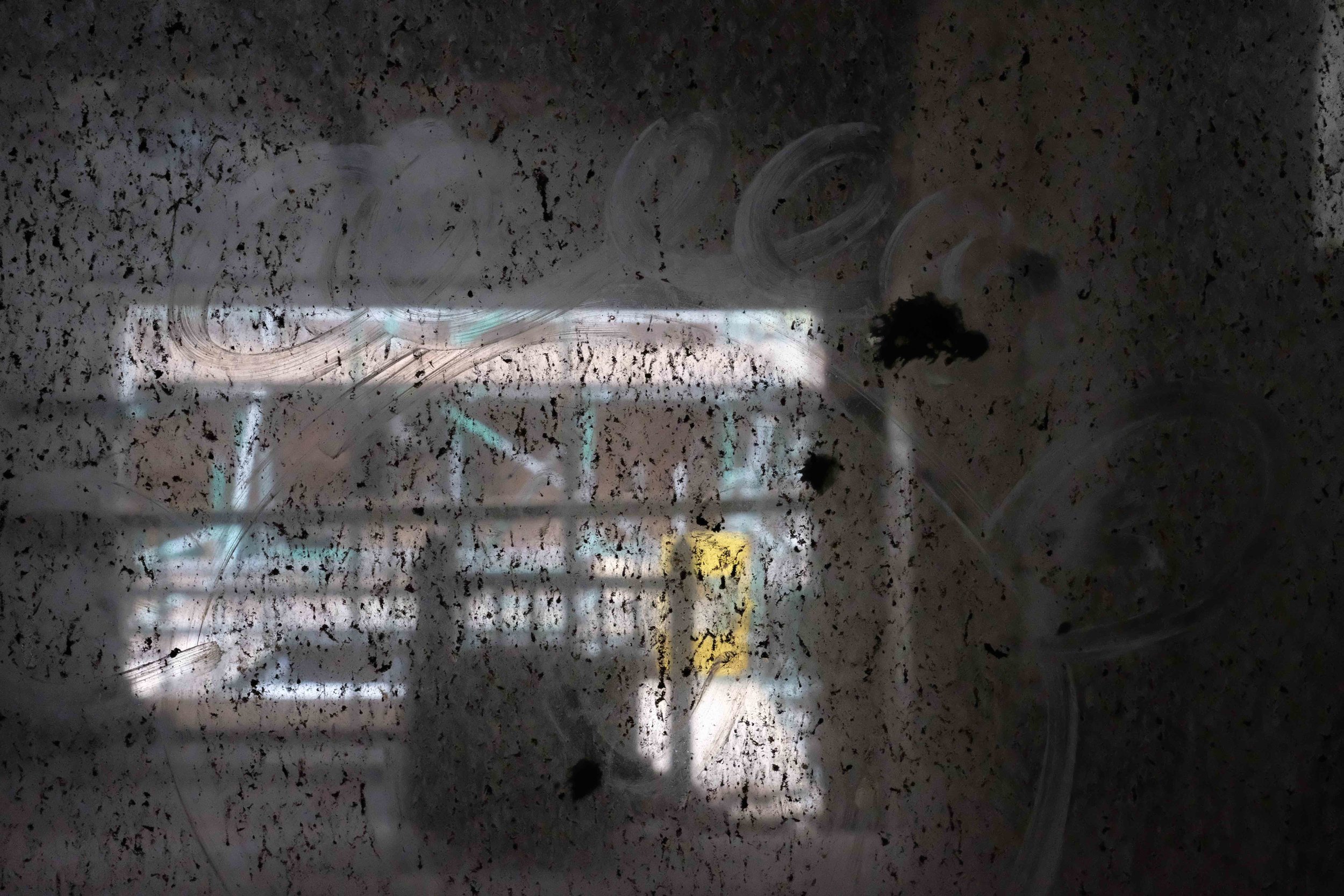
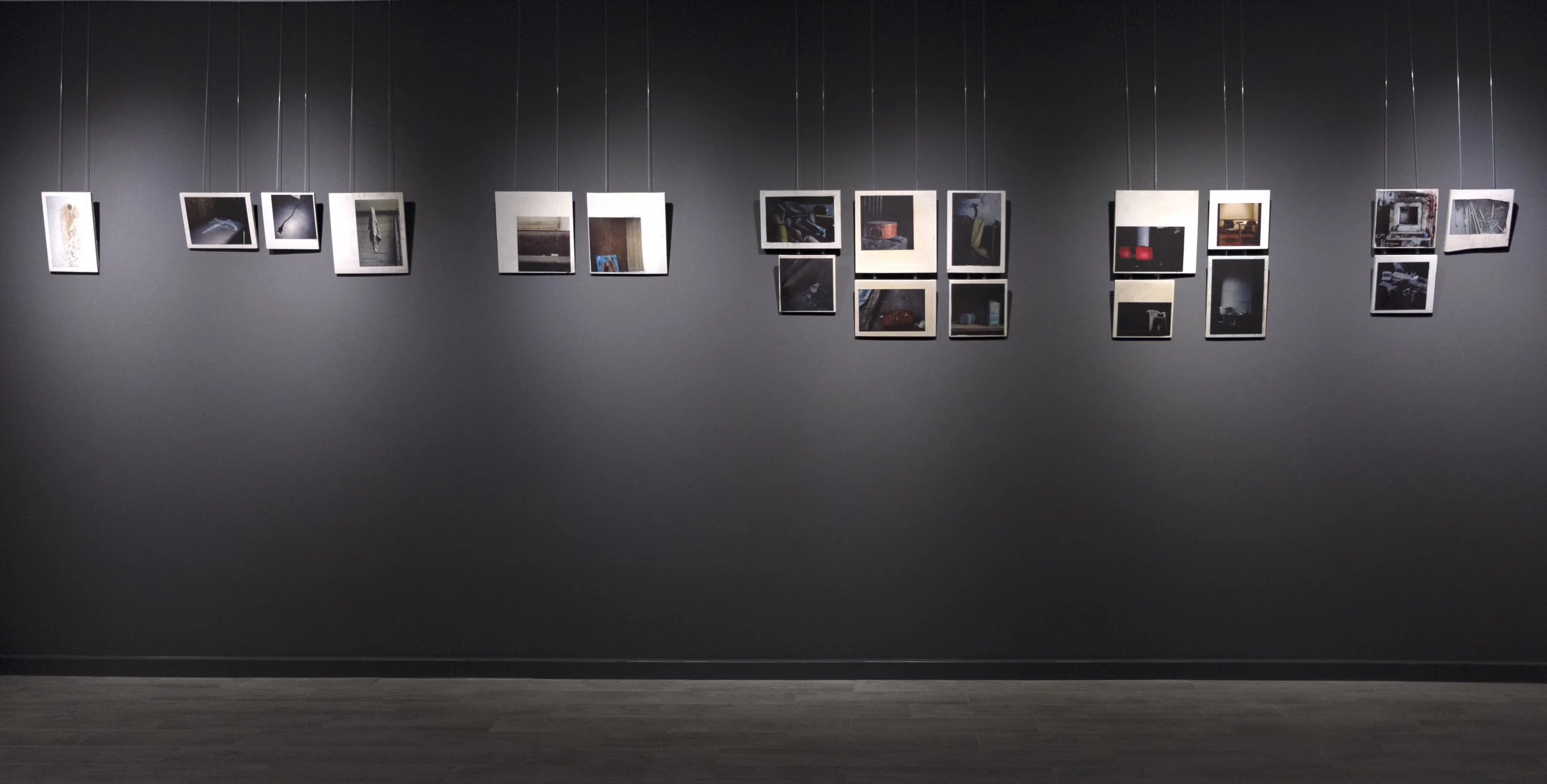
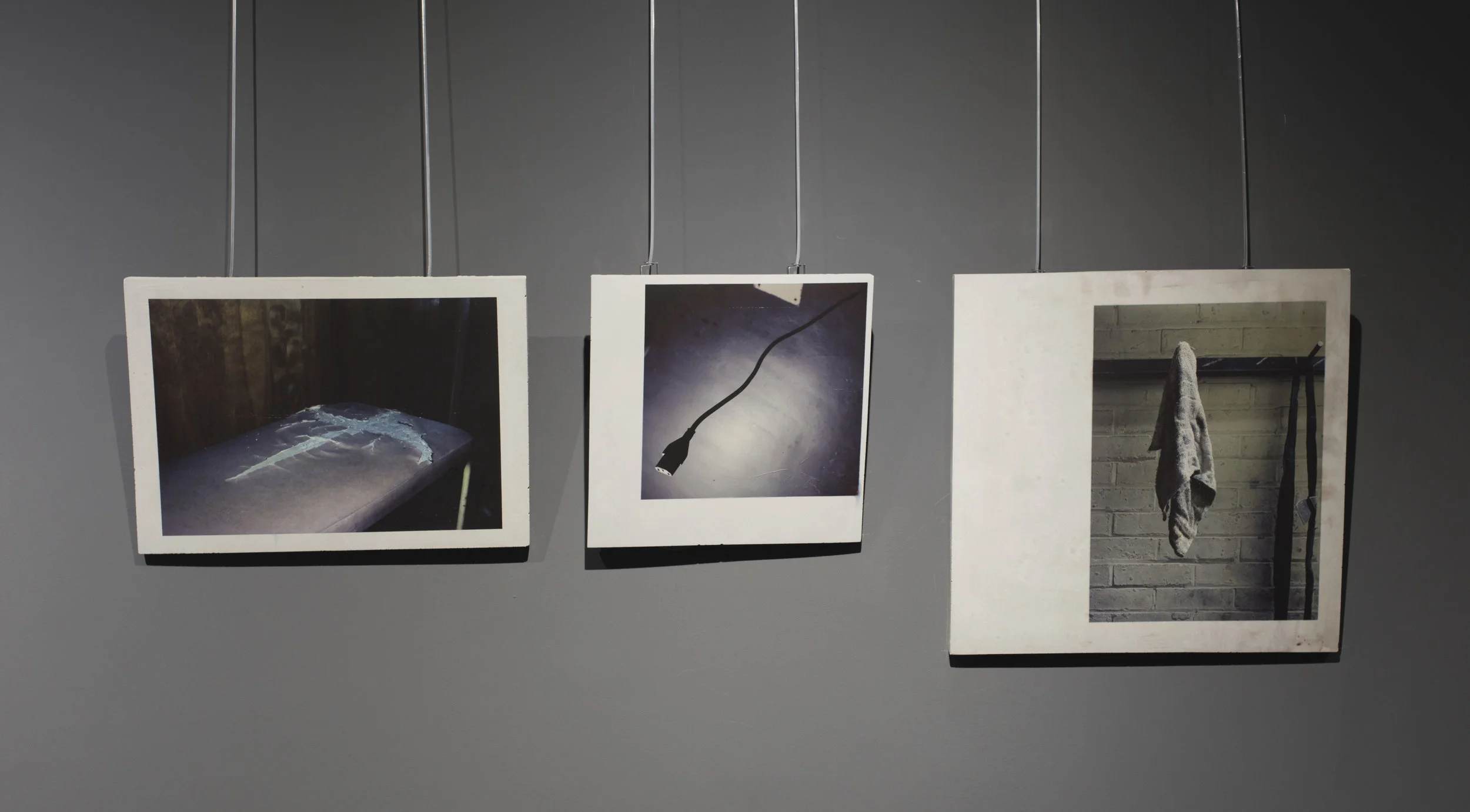
In June 2018 Philip held a solo show at Agentea Gallery, Birmingham. Entitled Birmingham Dust, it sampled from the Pause Project - the ongoing project delving into spaces ripe for development. Three media were applied - the conventional print, concrete tablets and projection.

The art blogger Ruth Millington wrote in her preview;

‘Birmingham Dust’ captures a city changing, physically and culturally, amidst rapid regeneration. As part of Philip Singleton’s larger ‘Pause Project’, this exhibition presents the artist’s photographic interventions across twelve sites in Birmingham, ahead of their demolition or redevelopment. Through printed photographs, a projected film and an installation of concrete tablets, Philip Singleton preserves those places where dust has settled, before they disappear.  

An architect-turned artist, Philip Singleton began the ‘Pause Project’ by taking photographic images of Edgbaston House, left empty, in 2016. He was struck by the discarded objects – food, tables, pictures, signs, even a suitcase –  recognising them as signifiers of a peoples’ lives and memories. His series of photographic prints explore uninhabited urban sites, including the Roundhouse, Municipal Bank and Birmingham’s Conservatoire. Uncanny images, such as ‘Gilders' Yard - Looking Through’, suggest mystery in the mundane, with multiple doors left curiously ajar. Other photographs display dust, the signifier of time passing, as it settles and shrouds spaces.  
concrete install with no lights.jpg
rag cluster.jpg
massage pairing.jpg
biscuit tin cluster.jpg
chair cluster.jpg
broken cluster.jpg
still from dual movie.jpg

OVERPAINTED PHOTOGRAPHS

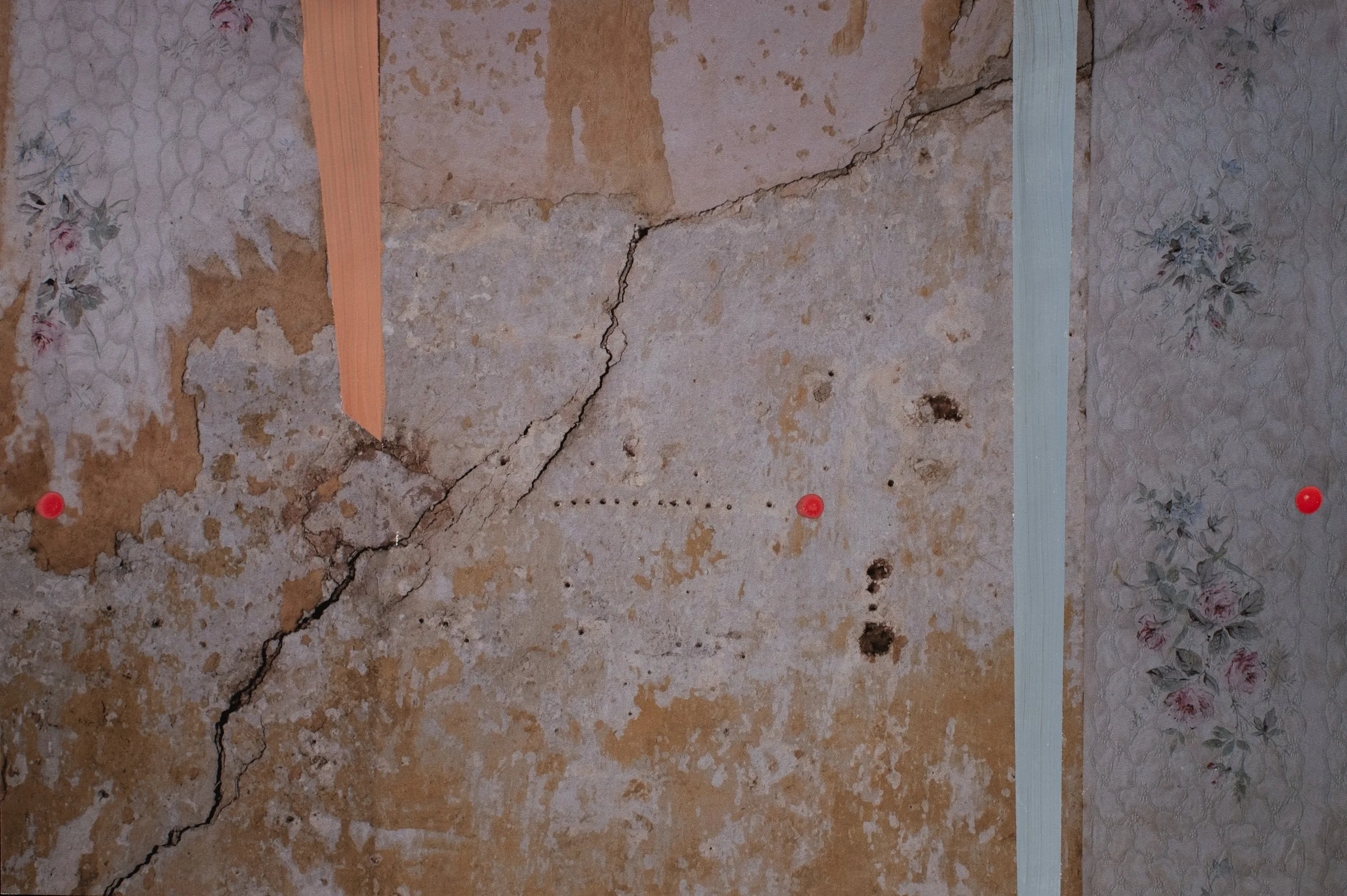
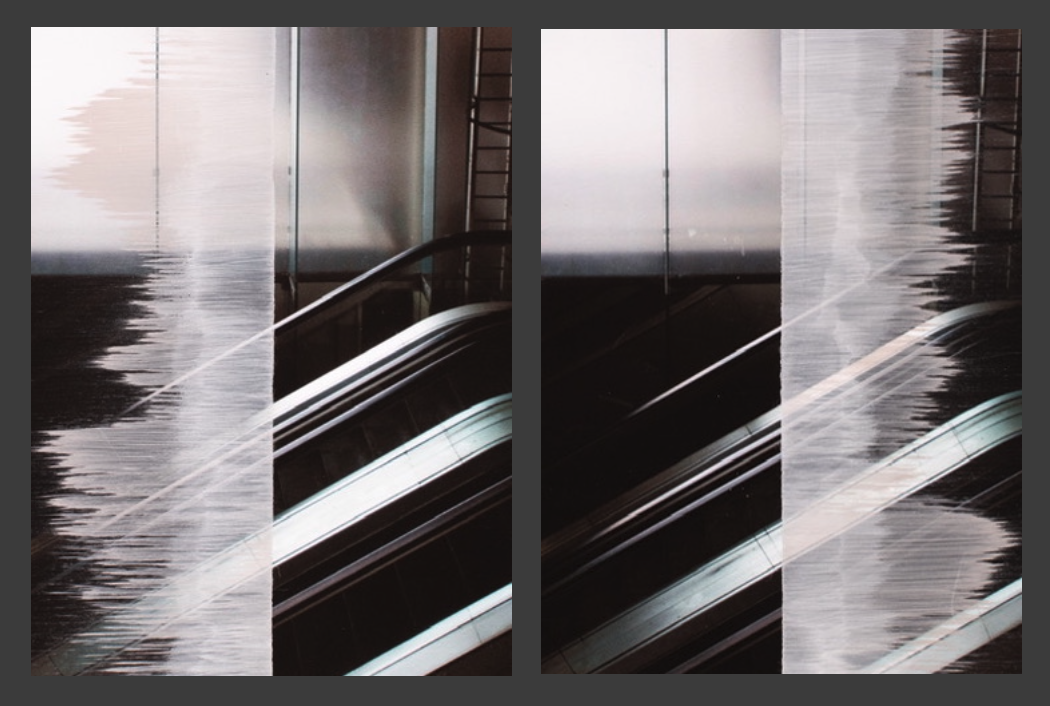
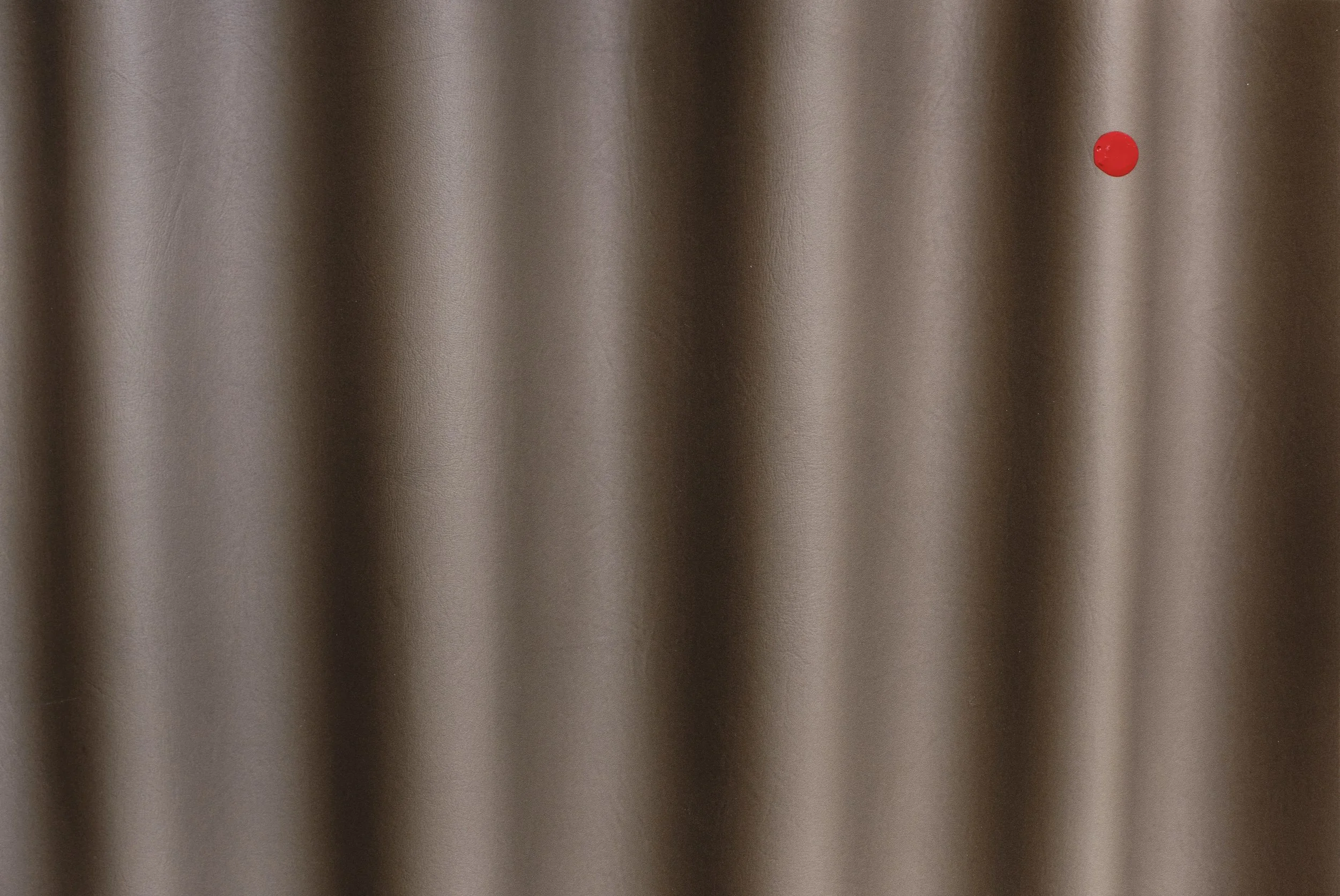
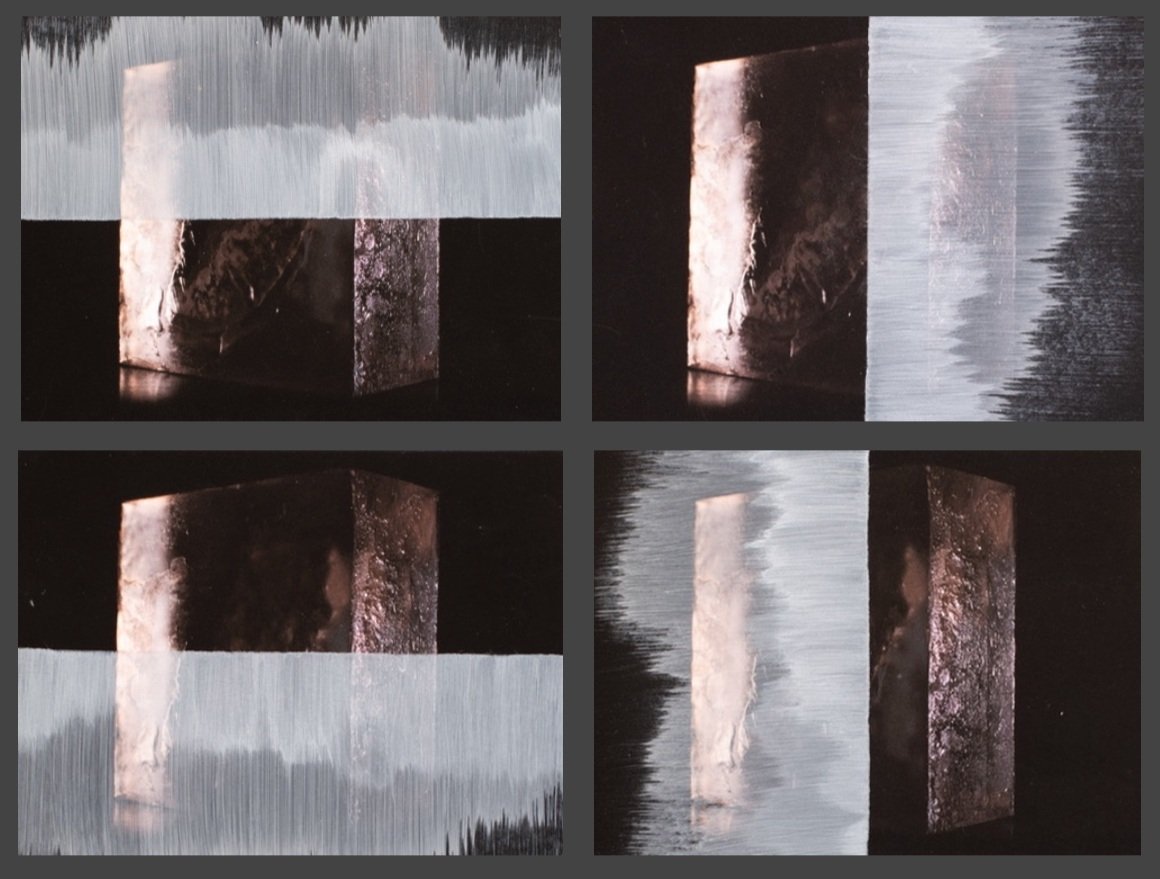
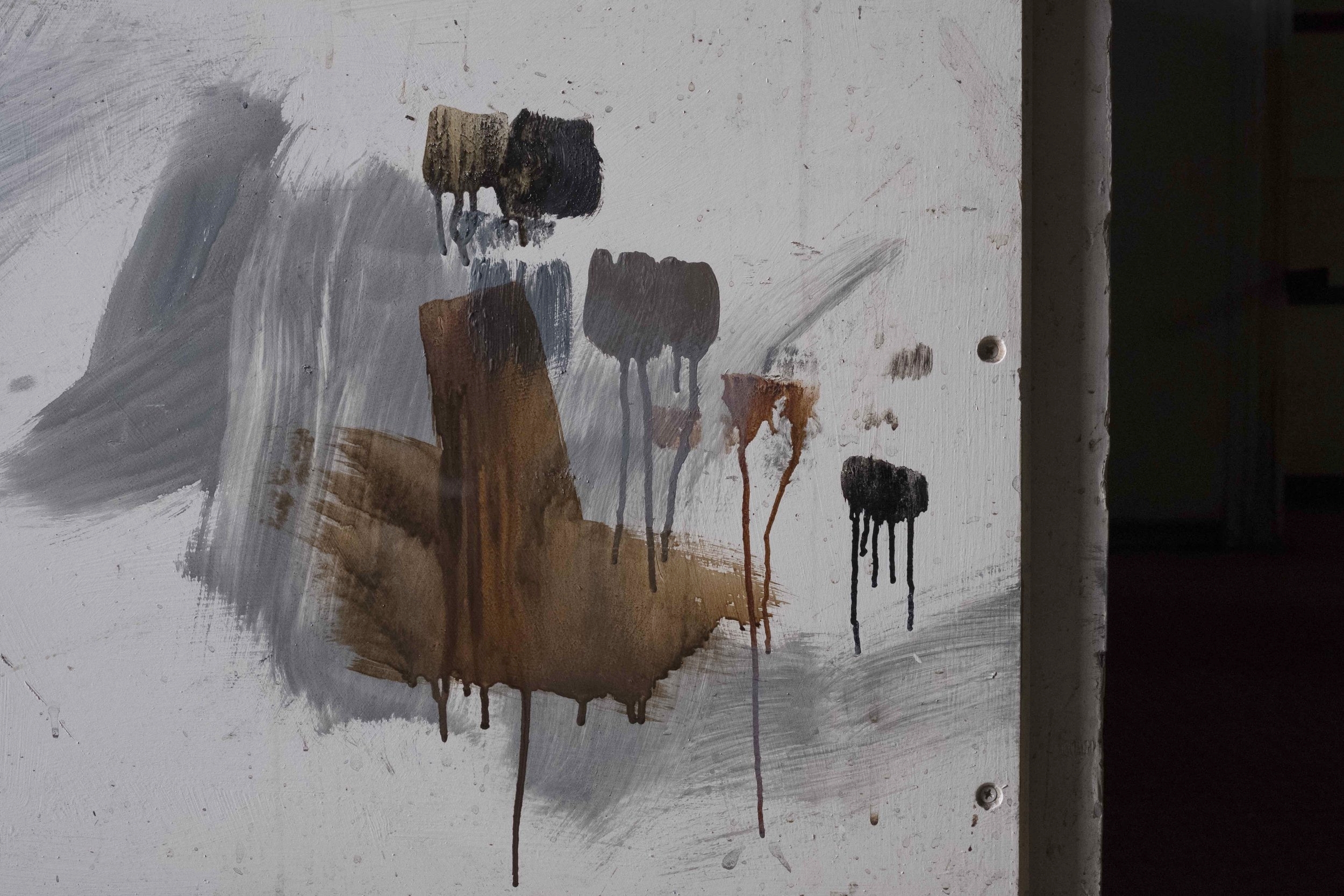
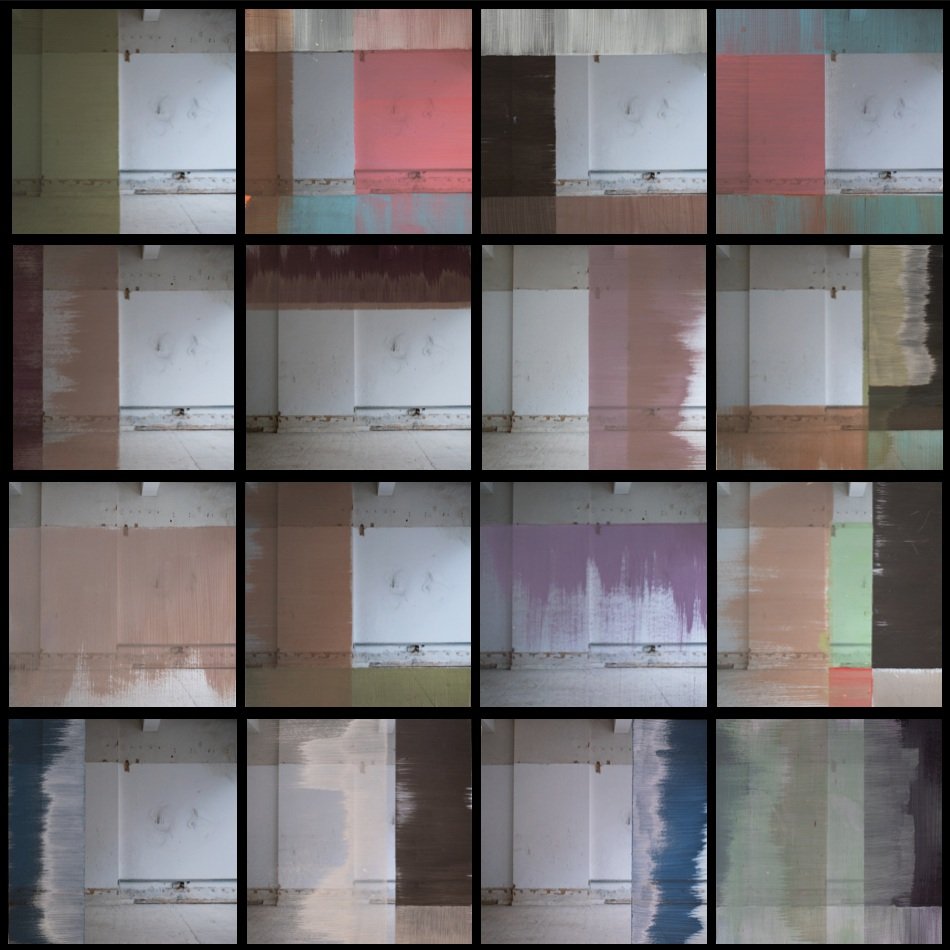
In late 2023 Philip began experimenting with overpainting pieces from his back catalogue using acrylics. Inspired by Gerhard Richter and his work with oils on images. This is work in progress with plans to exhibit a series in 2024.

The exploration is, in some cases, to mask elements of a photograph in differing quarters, encouraging the viewer to gaze at different portions of the image that are not masked.

At other times Philip places small brush points to the images to play with the viewer’s reading of the image.

Philip is interested in a response to see if people agree with him that the viewer tends to ‘look through’ at an photograph yet at the surface of a painting. Let him know!

Screenshot+2023-12-29+at+08.42.32.jpg
Overpainted record of work 28 December 2023 (1 of 1)-48.jpeg
Screenshot 2024-01-02 at 11.50.14.png
Overpainted record of work 28 December 2023 (1 of 1)-21.jpeg
Screenshot+2024-01-02+at+11.52.10.jpg

RESIN CASTS

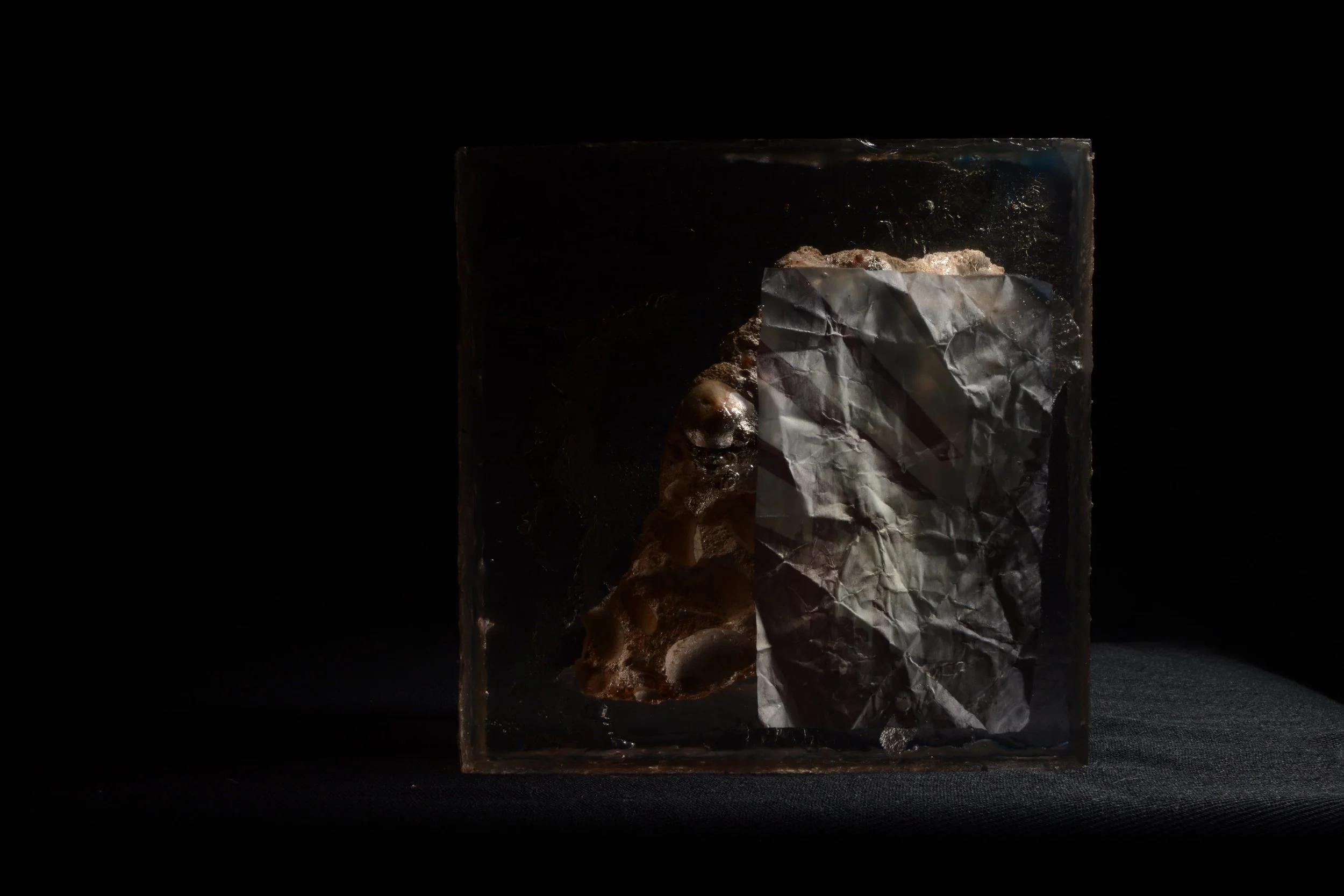
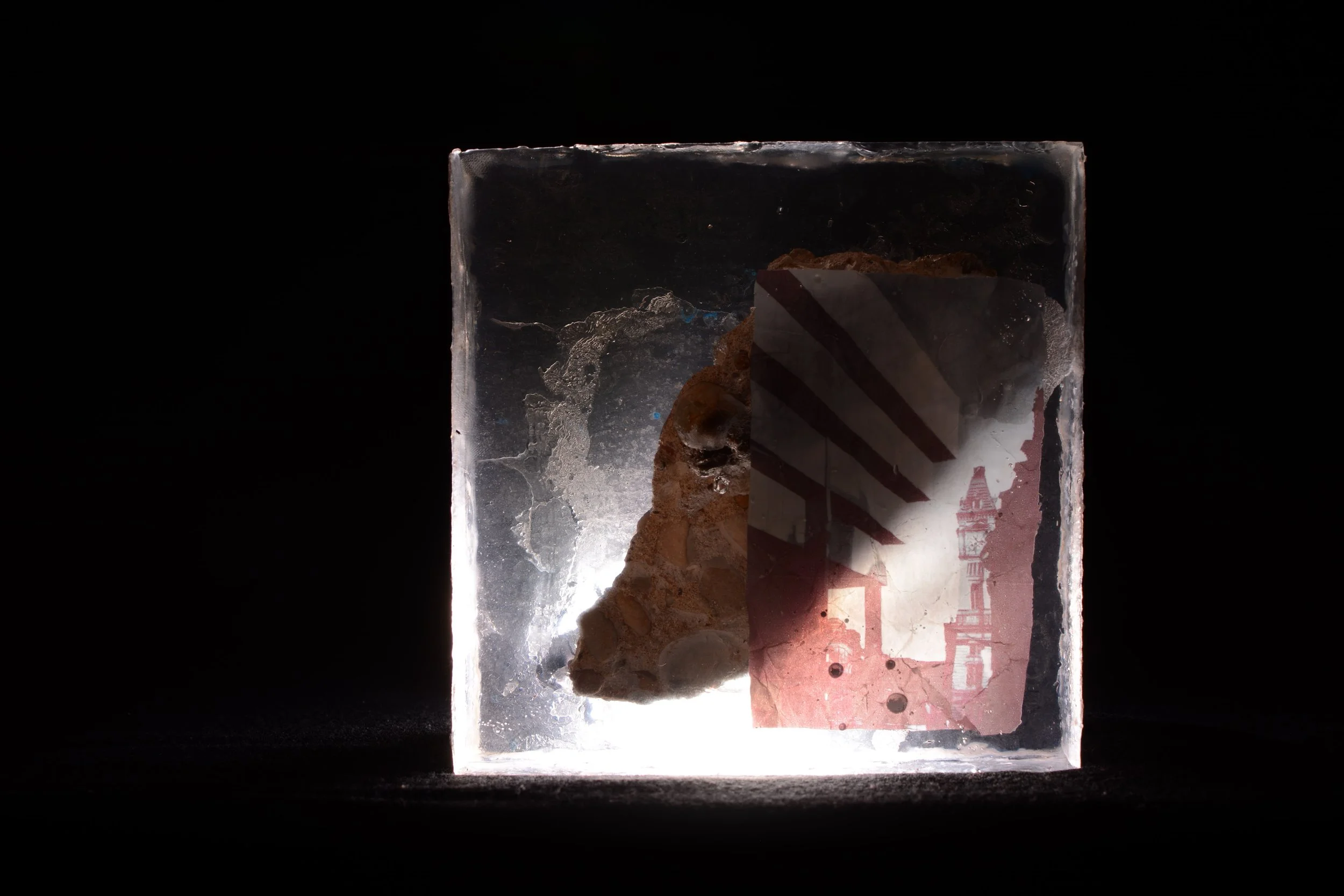
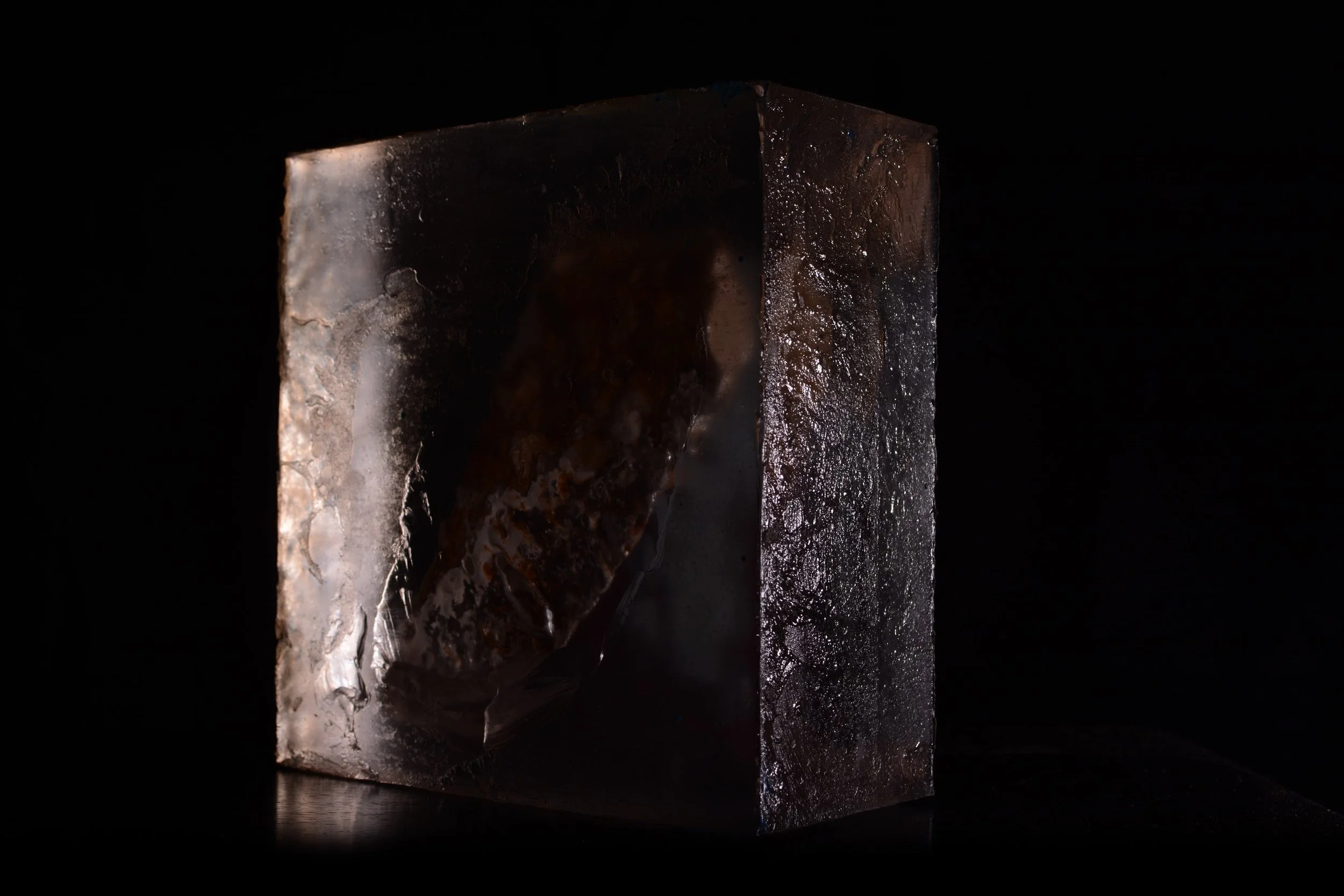
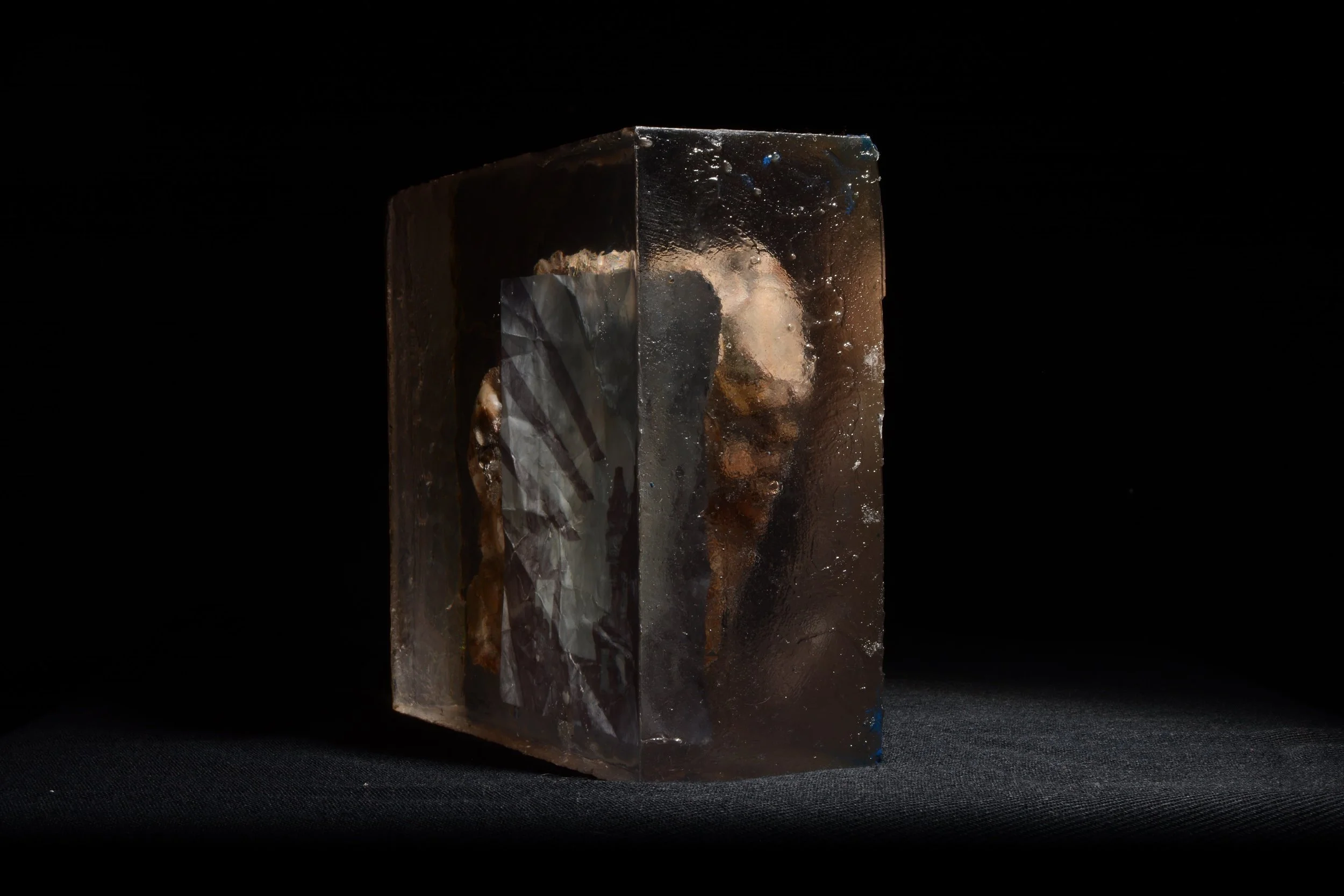
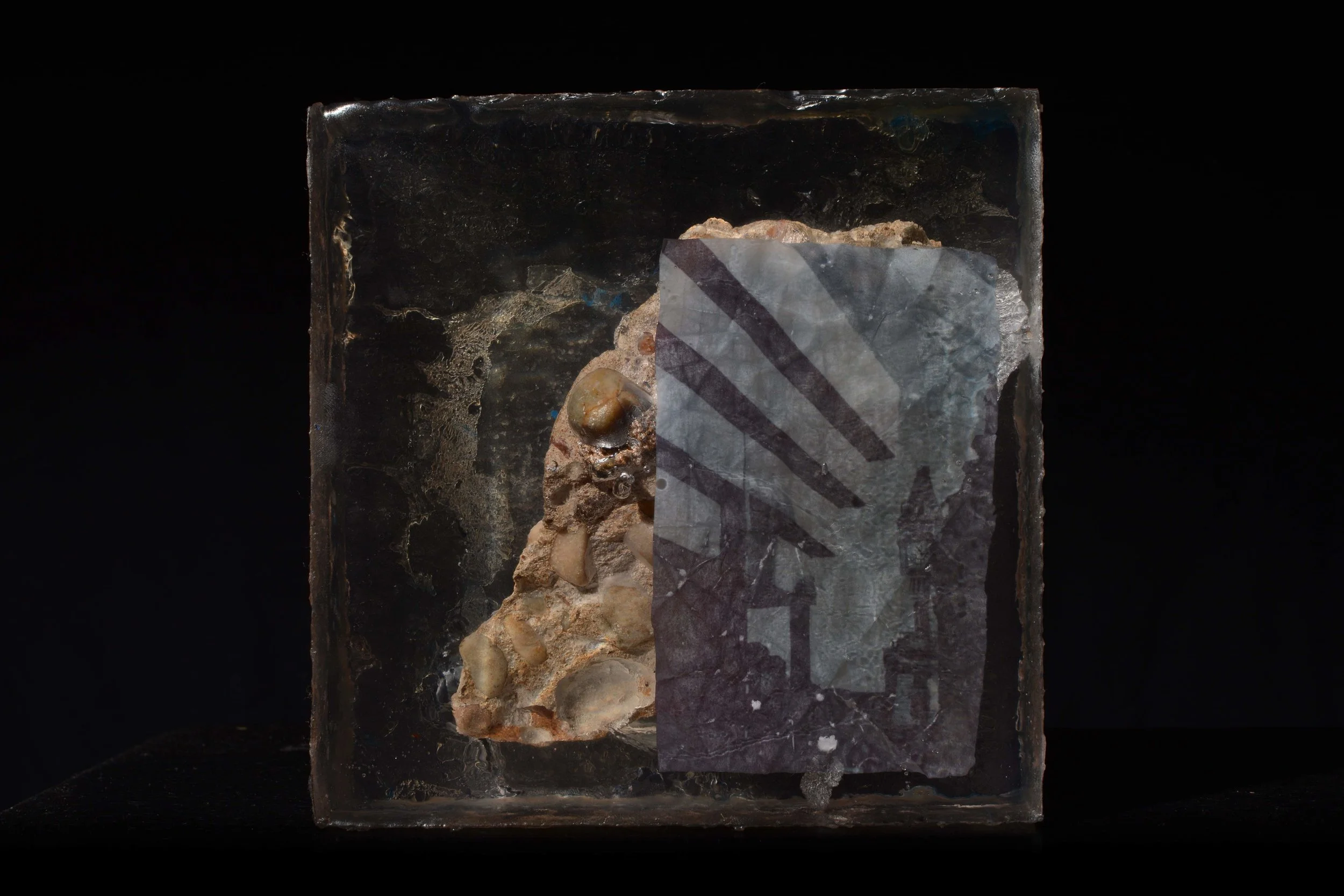
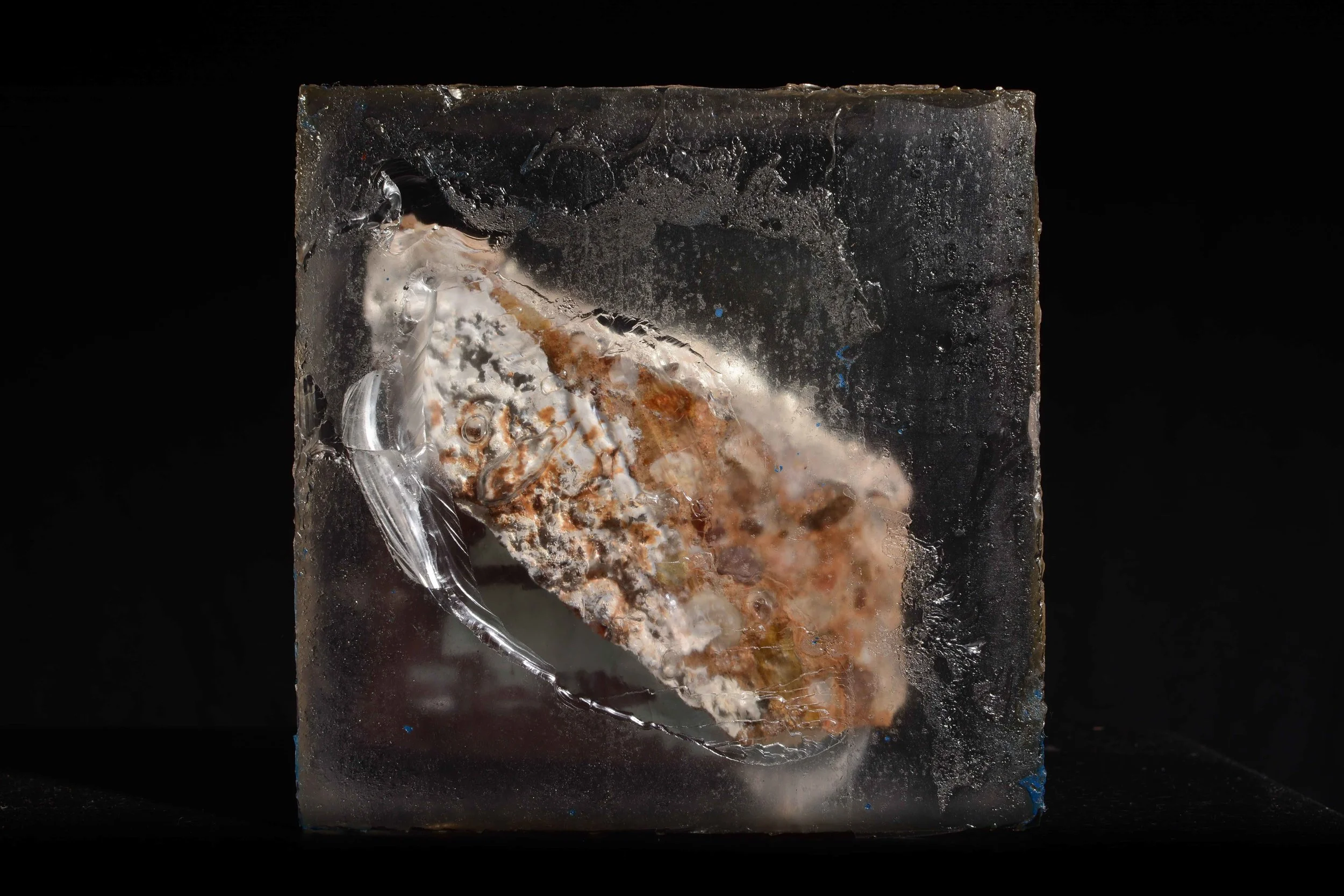
Prototyping in resin casting - the surface is transparent but its texture still retains a roughness due to the use of a concrete testing cast iron unit as the mould (the sort that would have been used in the creation of the 1971 library in Birmingham and the rest of Paradise project). The entombed pieces here are concrete from the demolition of the Conservatoire at Paradise. The photo is an archive from 1971. Both by the architect John Madin.

Lost, preserved, represented.

You can’t touch as it’s lost. But you can see because it’s not forgotten.

resin 01.jpg
resin 03.jpg
resin 04.jpg
resin 05.jpg
resin 06.jpg
resin 08.jpg

COVENTRY CENTRAL

This is a series of four separate buildings. The Jaguar Pub, 1 Lamb Street, the garage in Lamb Street and The Coventry Evening Telegraph building.  The image making day involved a move through spaces that exuded a manifest spirit of past use, life and productivity. The images draw you in to imagine the pursuit of work, conversations and crafting to be going on 'just around the next corner'.

Sometimes I feel a melacholic state on shoots; conversely, Coventry offered up a feeling of very recent, if not, in fact, still active life.

CET new 1.jpg
CET paint_ copy.jpg
CET new 2.jpg

CLIFTON STEEL

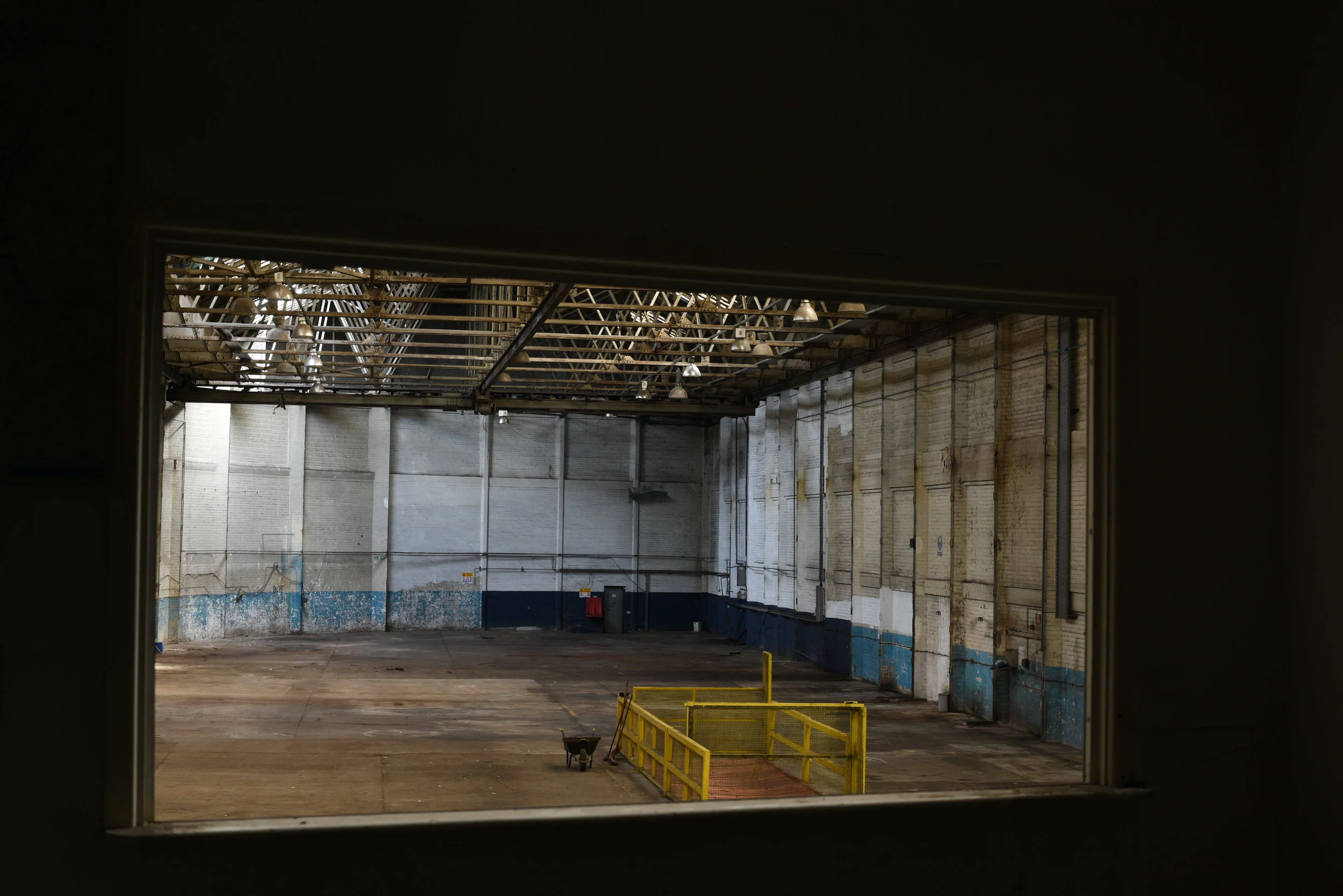
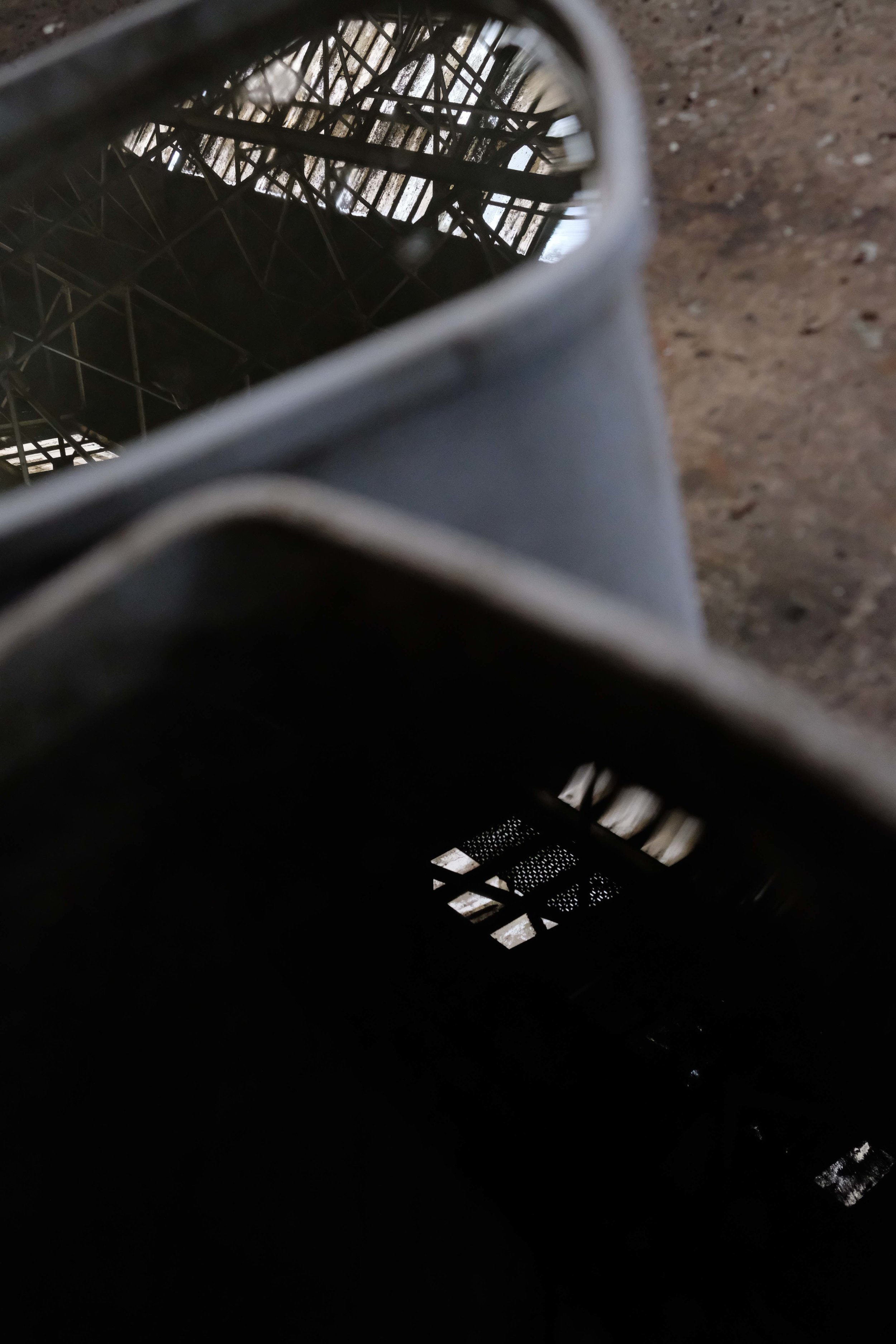
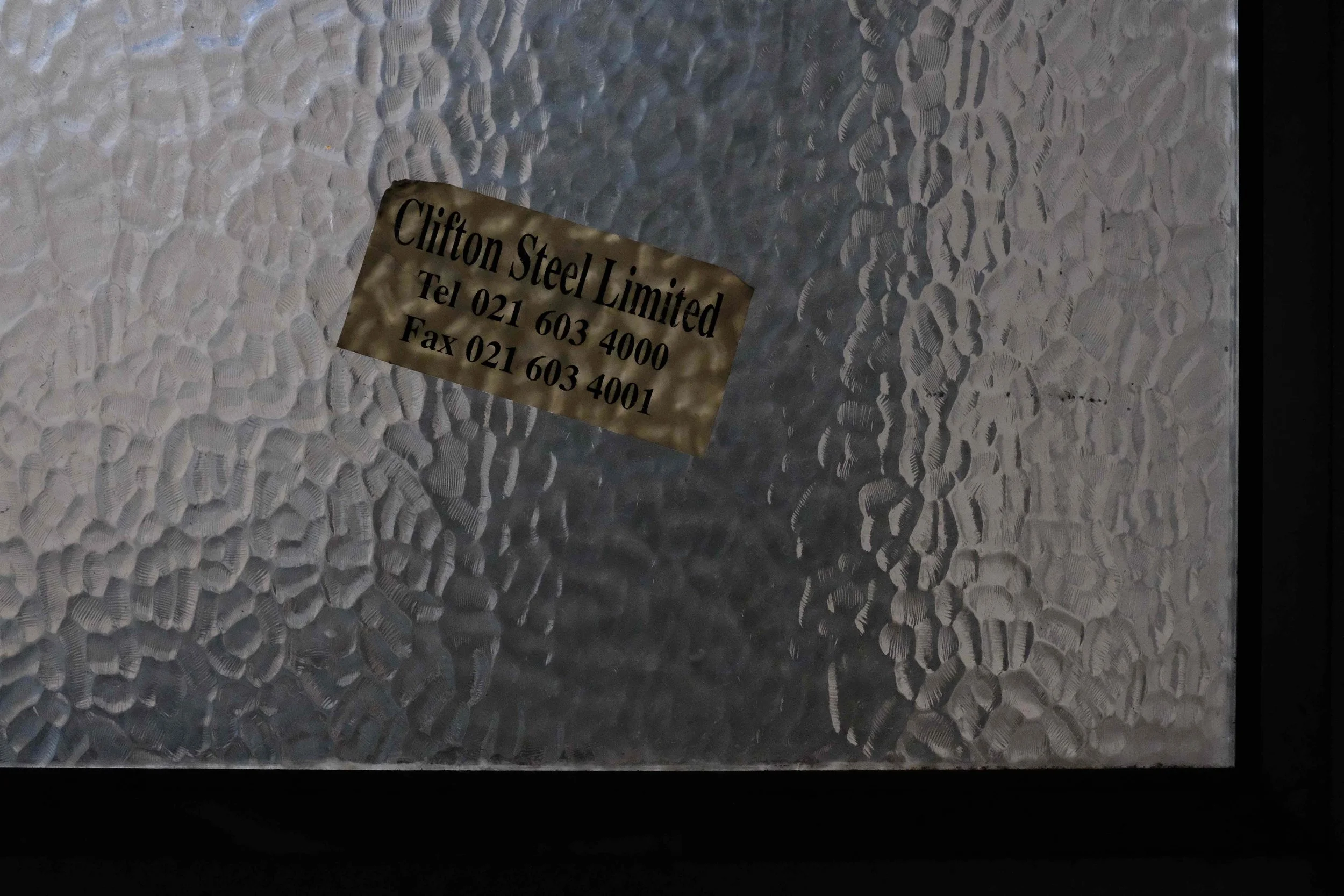
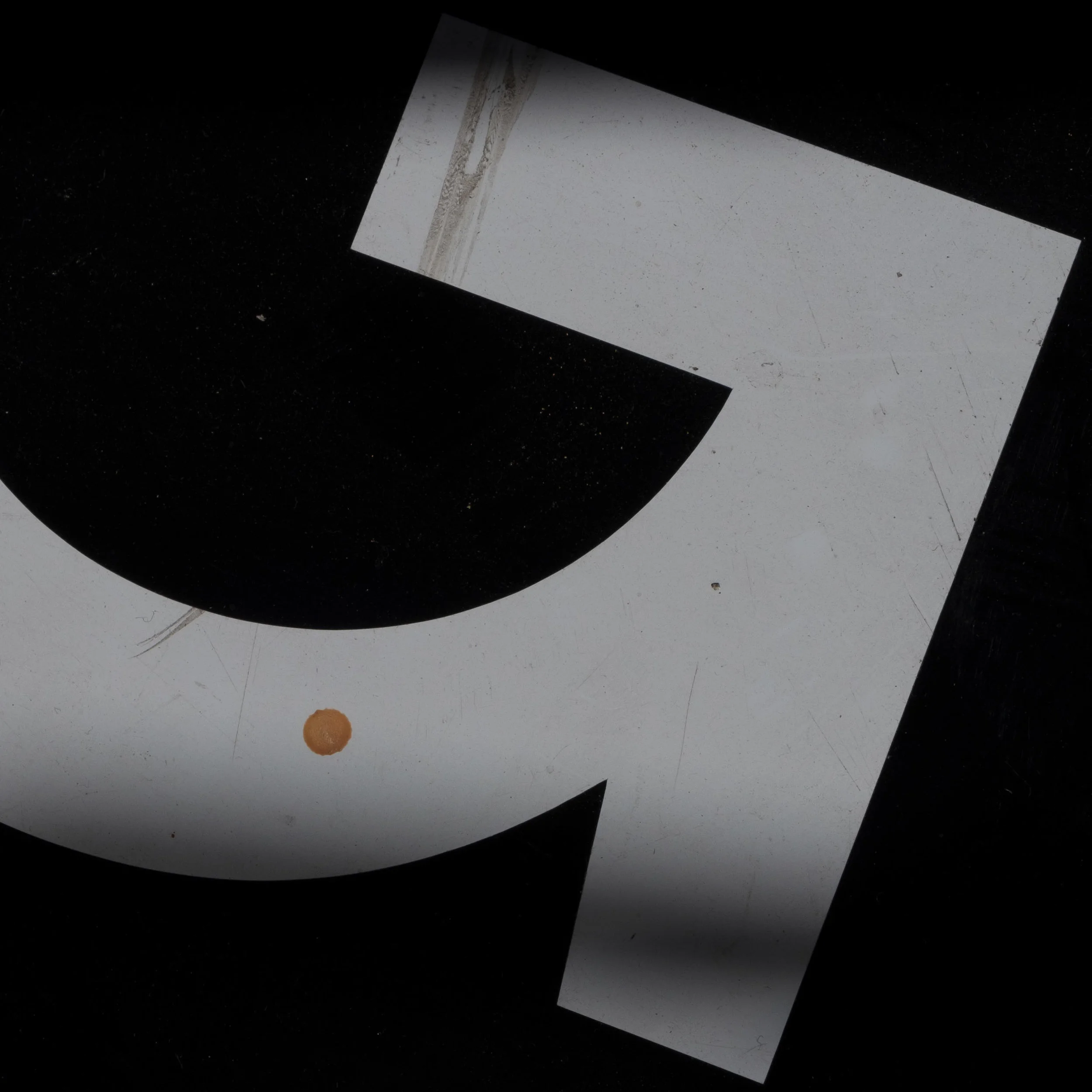
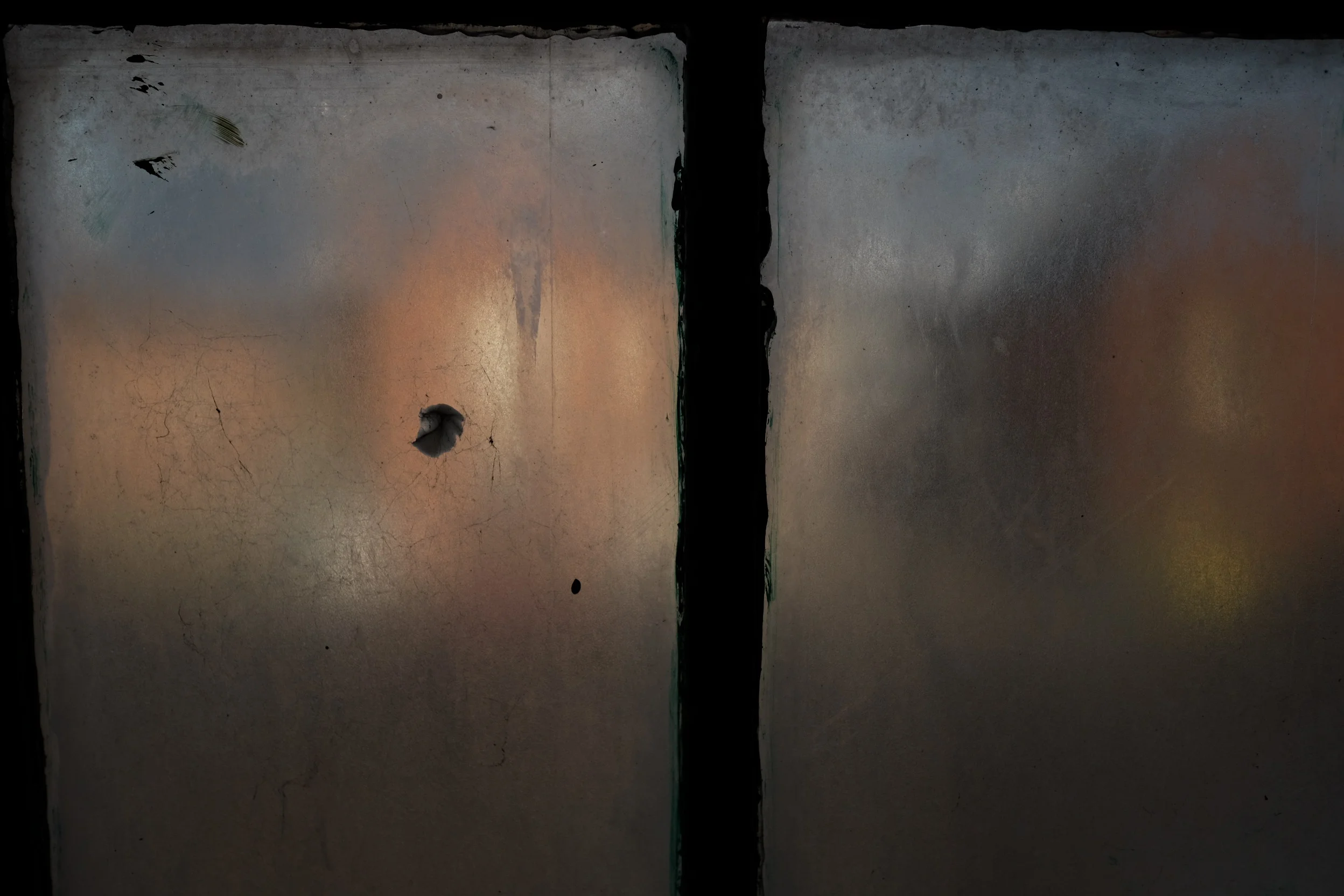
This shoot meant a return to Digbeth and Warwick Bar.  There is a gradual vacating of buildings underway to allow for a long-planned regeneration project.  Once again it was a privilege to step inside and spend a while looking closely at the marks of the people who worked here, latterly for Clifton Steel.  The origins of the building stretch back to its commission by Fellows Morton & Clayton Ltd which was, for much of the early 20th century, the largest and best-known canal transportation company in England.  The company was in existence from 1889 to 1947.

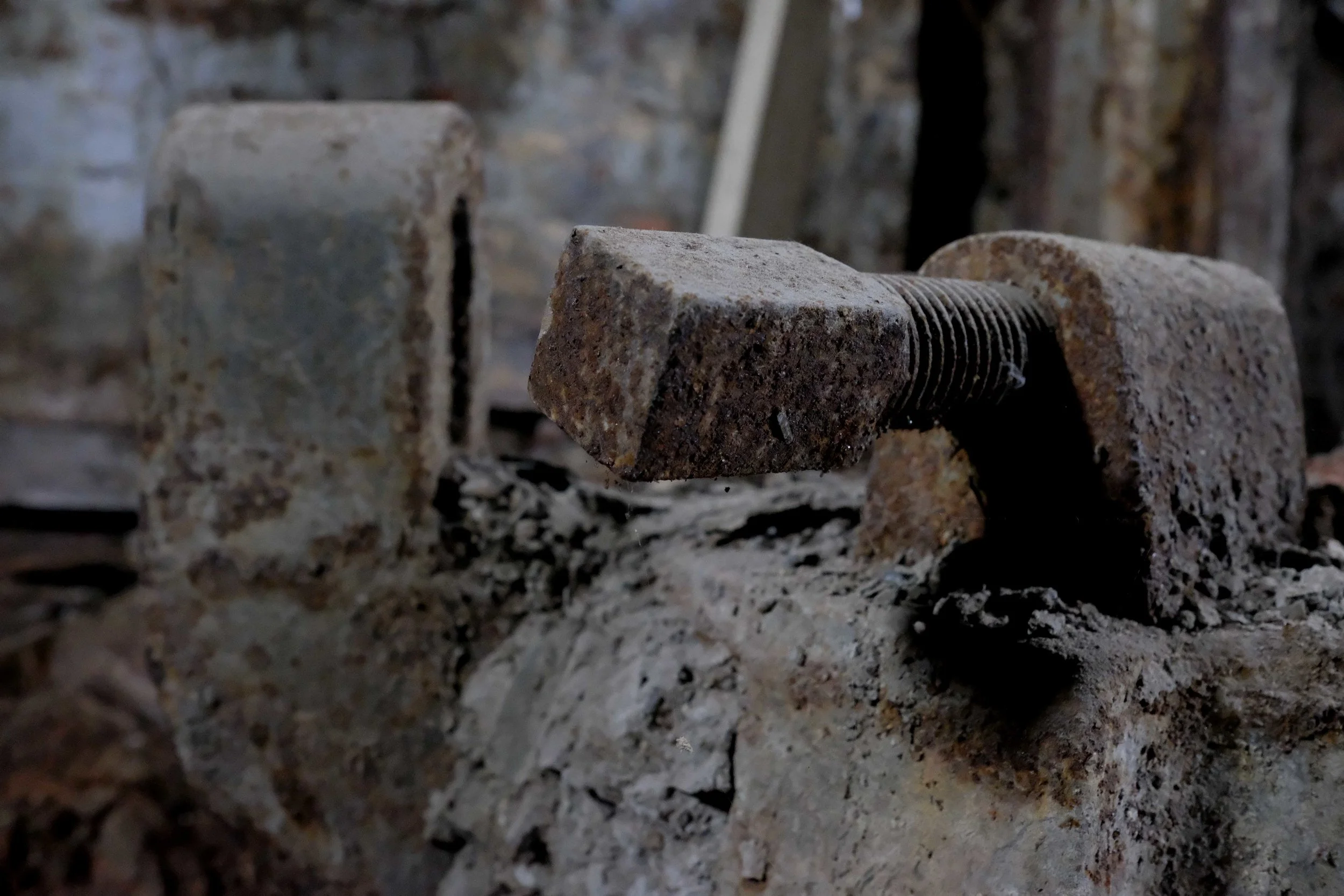
The shoot relied on the light from the roof.  There had been a thorough clean out of the working tools, but gradually I saw marks, traces and objects that connoted a humour and relief from a place that echoed noise and industry.

There is more information here https://en.wikipedia.org/wiki/Fellows_Morton_and_Clayton

cs13.jpg
cs8.jpg
cs0.jpg
cs2.jpg
cs4.jpg
cs5.jpg
cs10.jpg
cs11.jpg
cs12.jpg
cs15.jpg
cs6.jpg

FOUND OBJECTS

The Pause Projects has taken me into so many abandoned, vacated or forgotten places.

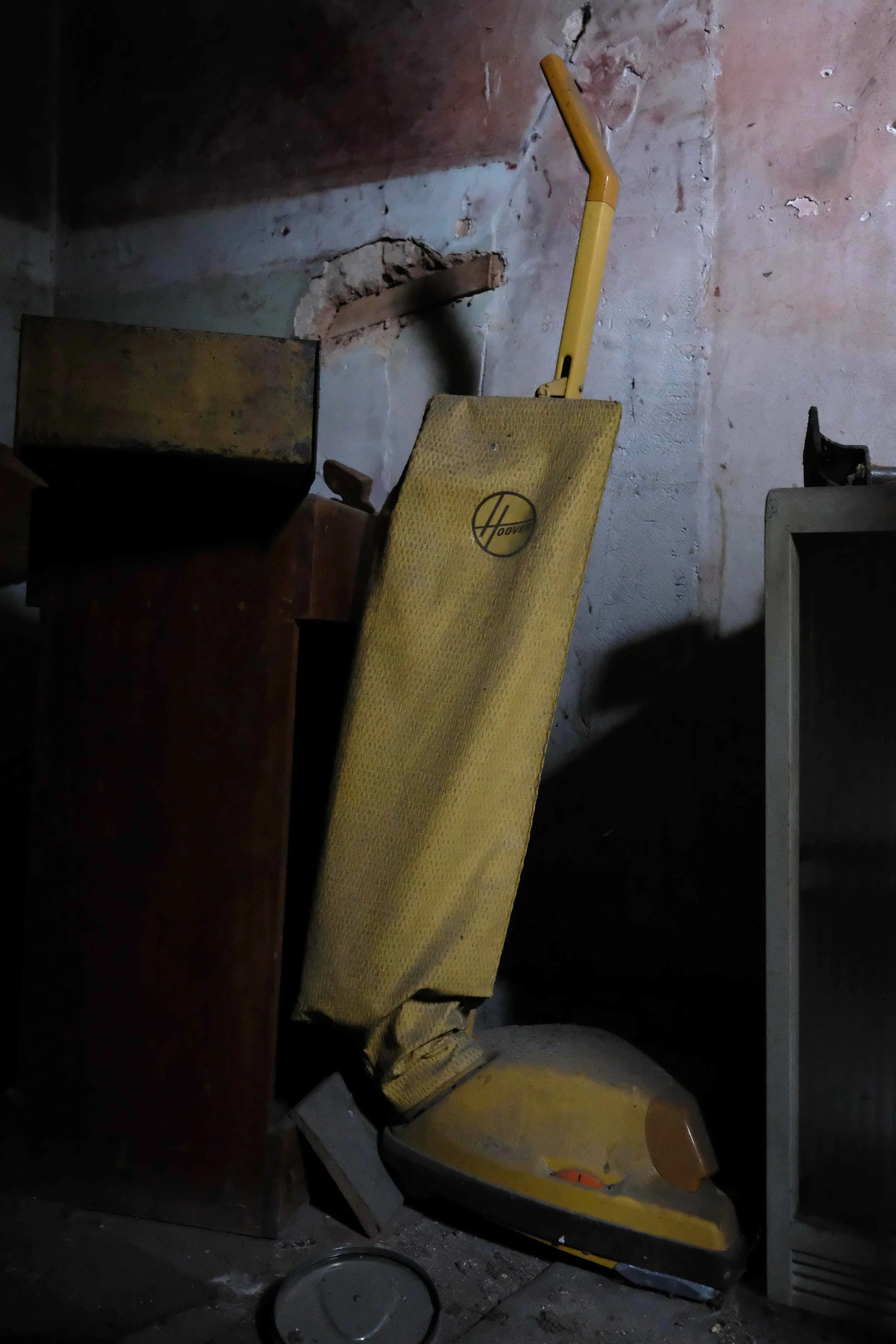
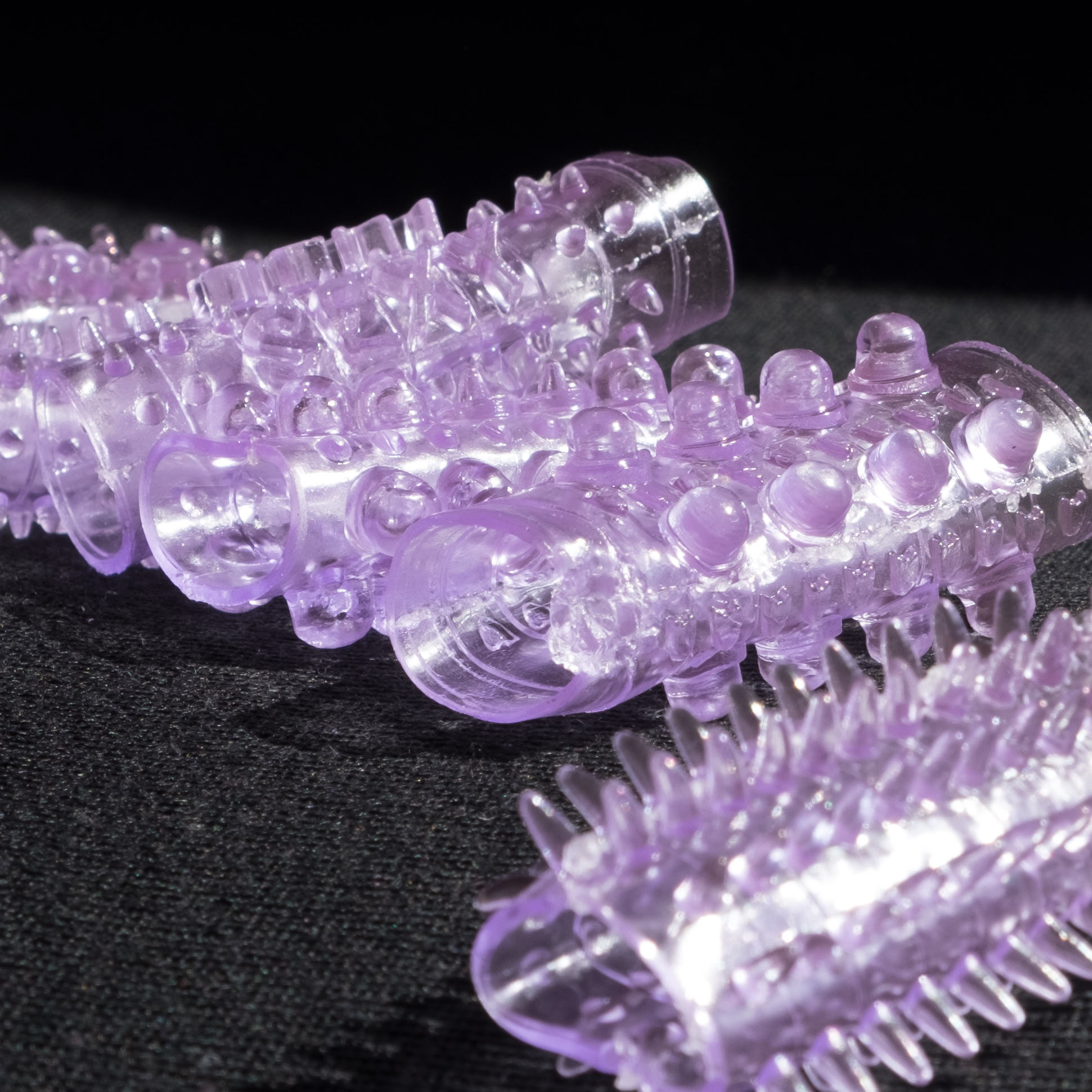
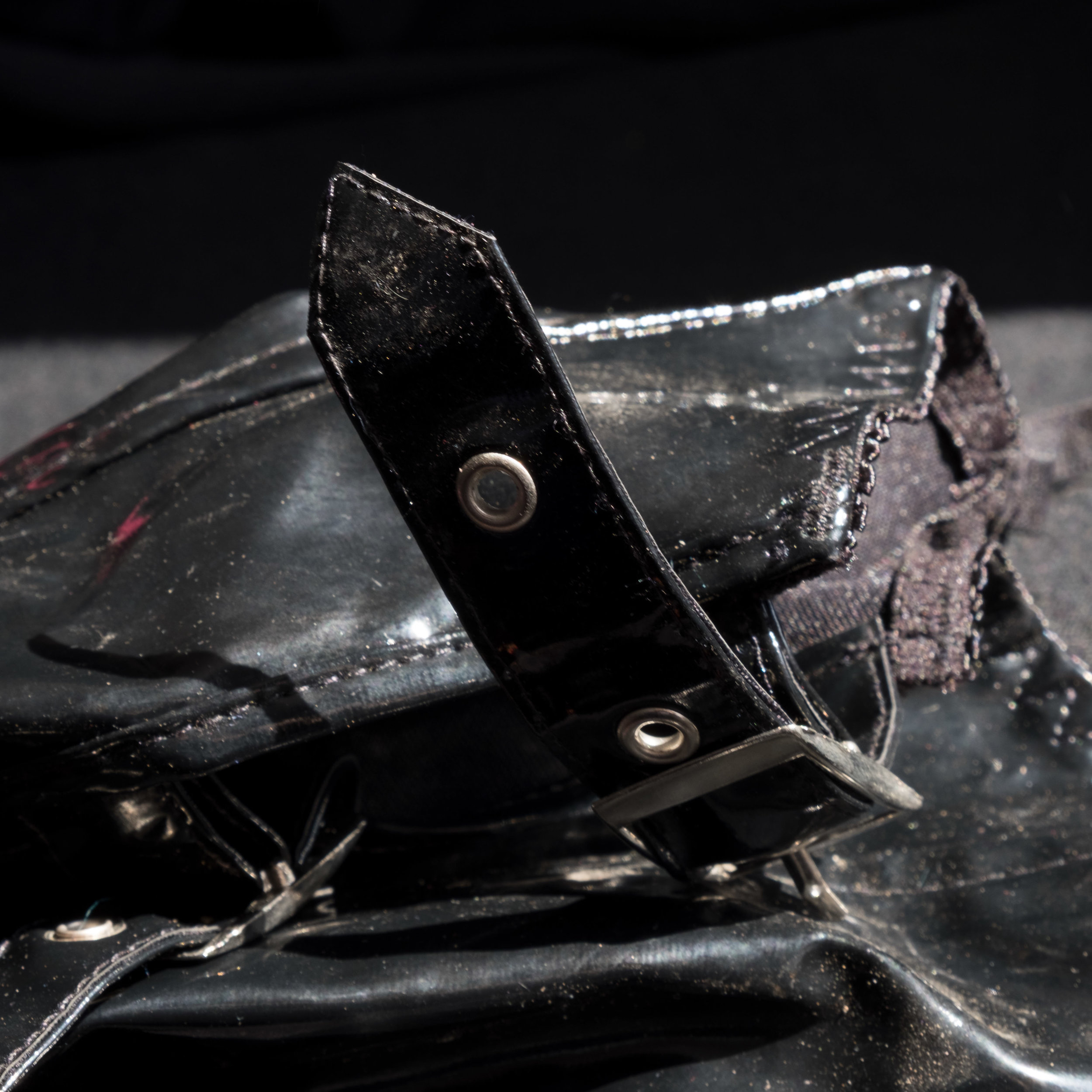
As part of the Birmingham Dust exhibition (June 2018), I am showing here the objects that have been liberated from numerous places over the last 18 months.

objects 3.jpg
objects 5.jpg
objects 12.jpg
objects 10.jpg
objects 9.jpg
objects 8.jpg
objects 7.jpg
objects 6.jpg
objects 4.jpg
objects 2.jpg
objects 1.jpg
objects.jpg

ROUND HOUSE

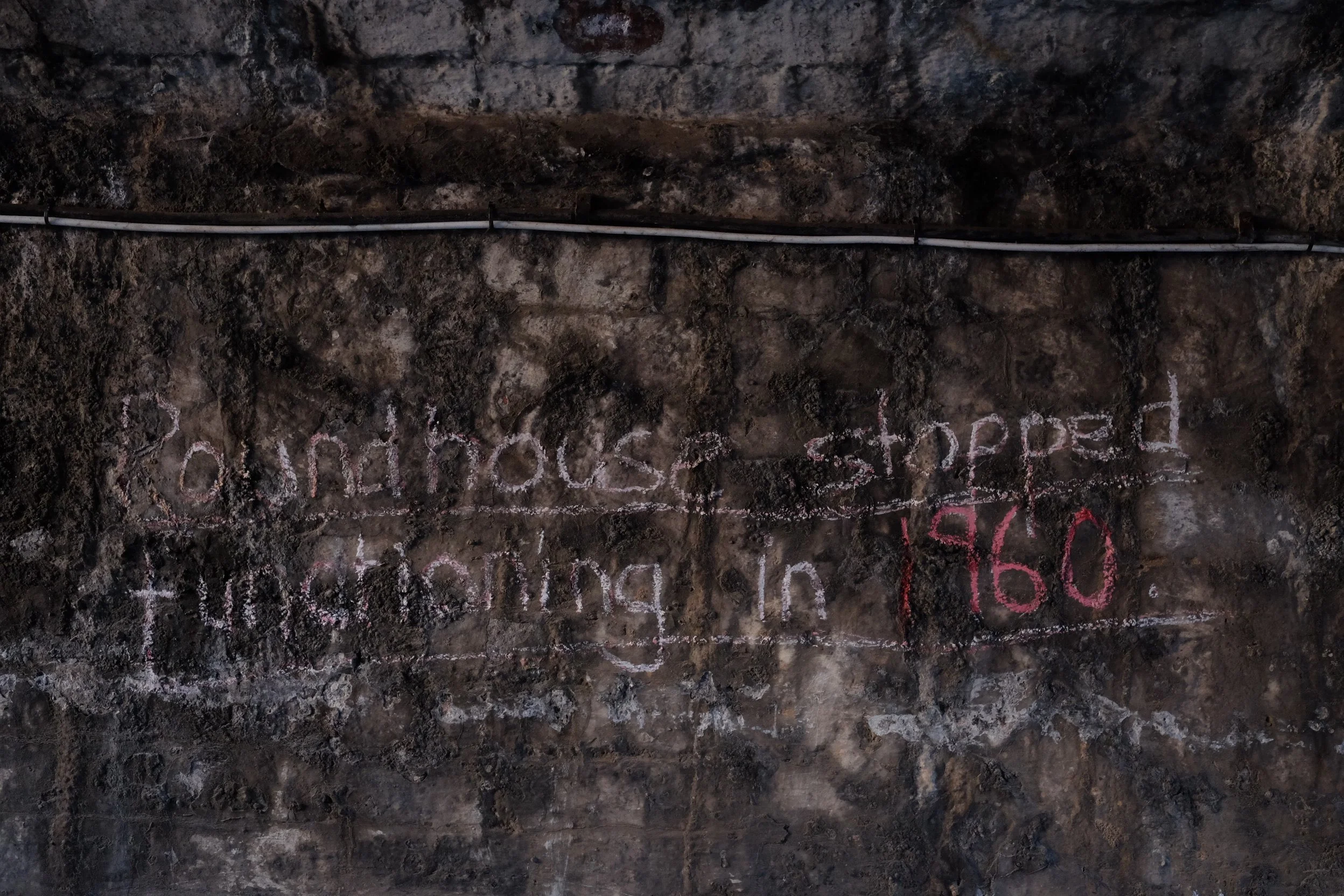
The Roundhouse was built by the Corporation of Birmingham as a mineral and coal wharf for the railway. It is grade 2* listed. It was built on a small triangular parcel of land, which sits directly between the Birmingham Canal and the former London & North Western Railway in 1874.

It was the subject of an architectural competition in the early 1870s and the winning design was by William Henry Ward, a local architect based in Paradise Street.

Part of the Pause Project.

RH 21.jpg
RH 9.jpg
RH 24.jpg
RH 7.jpg
RH 10.jpg
RH 11.jpg
RH 14.jpg
RH 22.jpg
RH 23.jpg
RH 29.jpg
RH 34.jpg
RH 38.jpg
RH 42.jpg
RH 43.jpg
RH 39.jpg

MUNICIPAL BANK

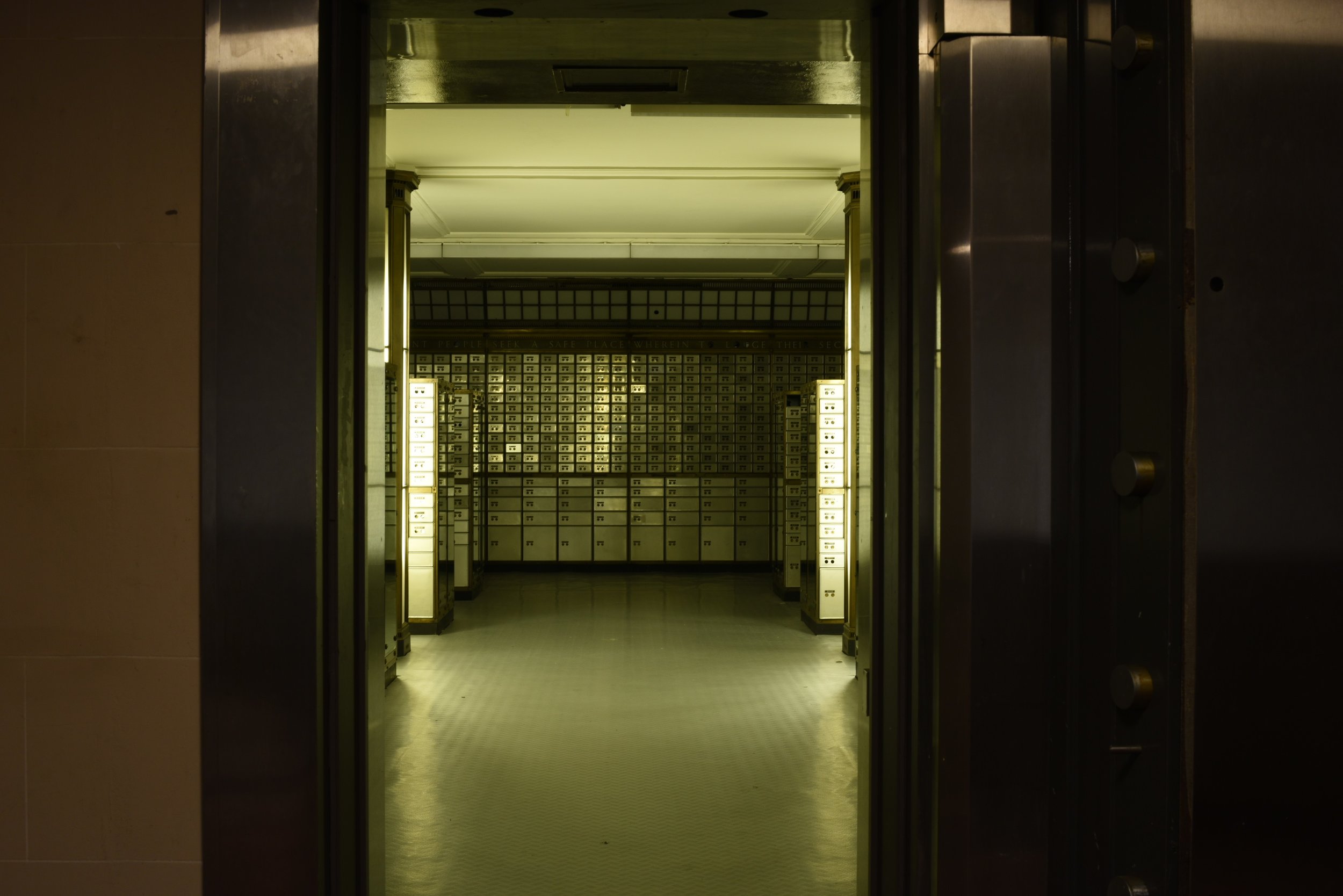
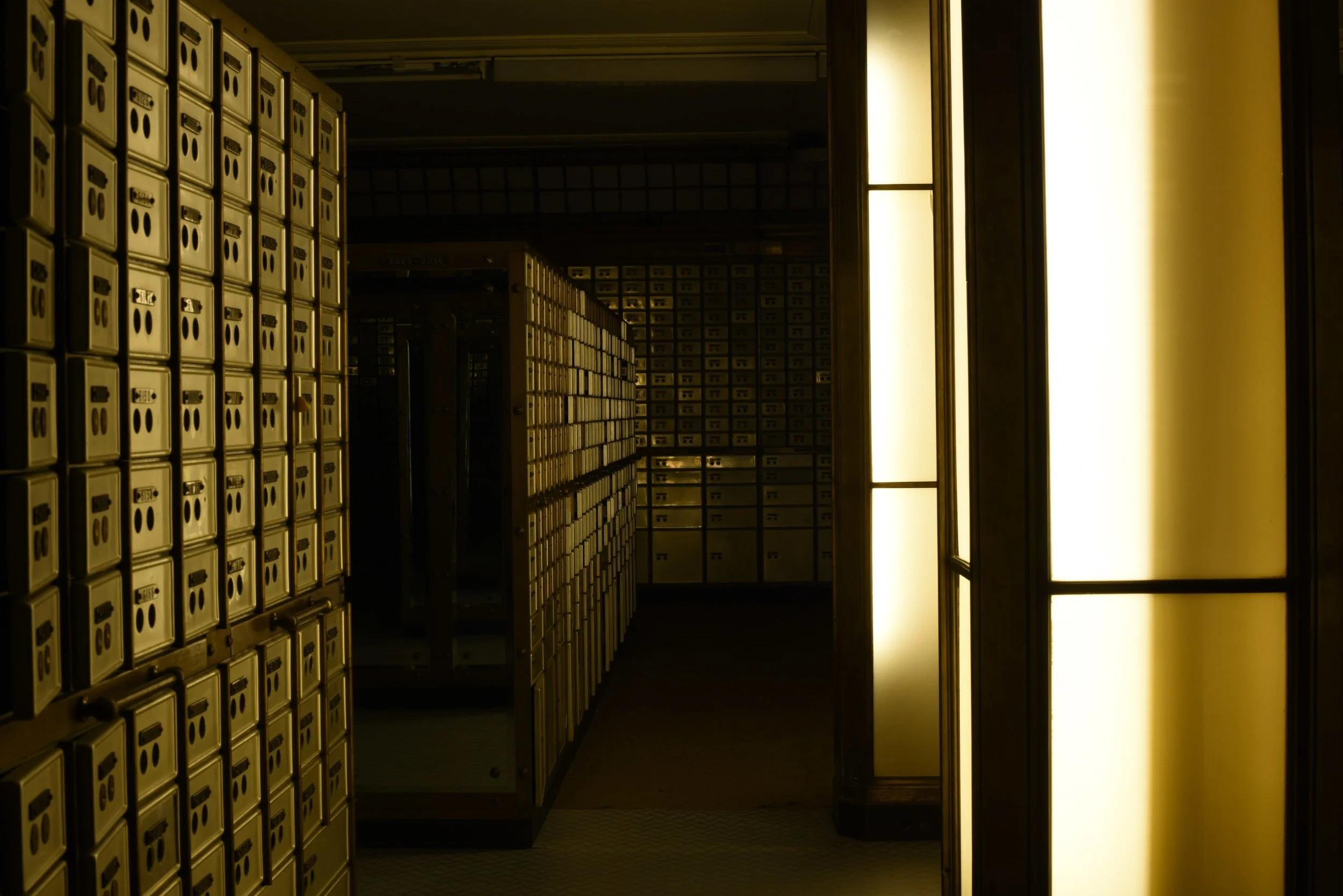
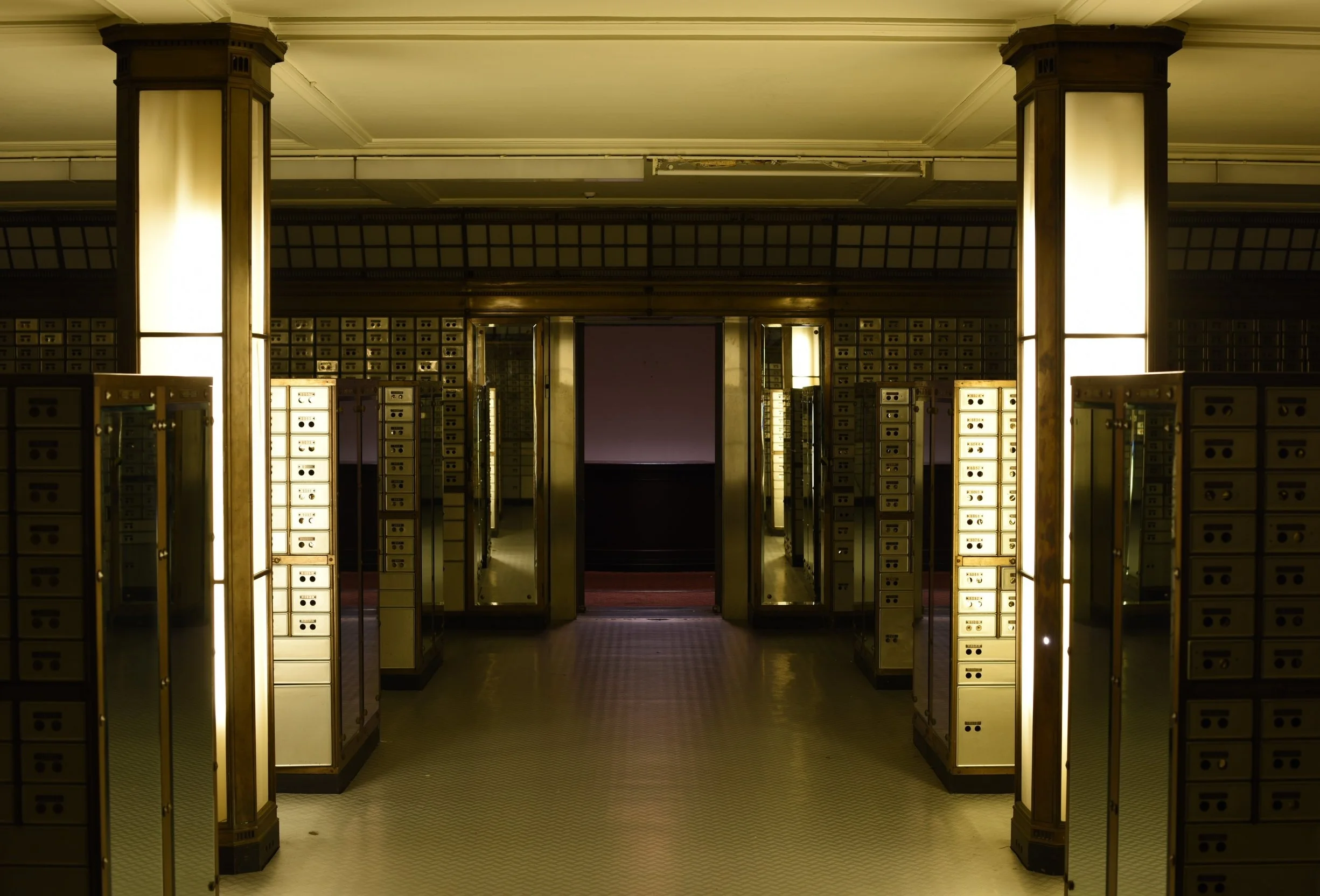
The Municipal Bank was a savings bank HQ in Birmingham, set up by an Act of Parliament in 1916.  It was unique in the UK.  Designed by Thomas Cecil Howitt in 1933 the building is listed grade 2.

As a key part of the Pause Project, limited edition images of the Bank have been purchased by investors.  The Bank has been in disuse for years and is now to be part of the University of Birmingham.

bank 3.jpg
bank 6.jpg
bank 1.jpg
bank 4.jpg
bank 5.jpg

SURFACES

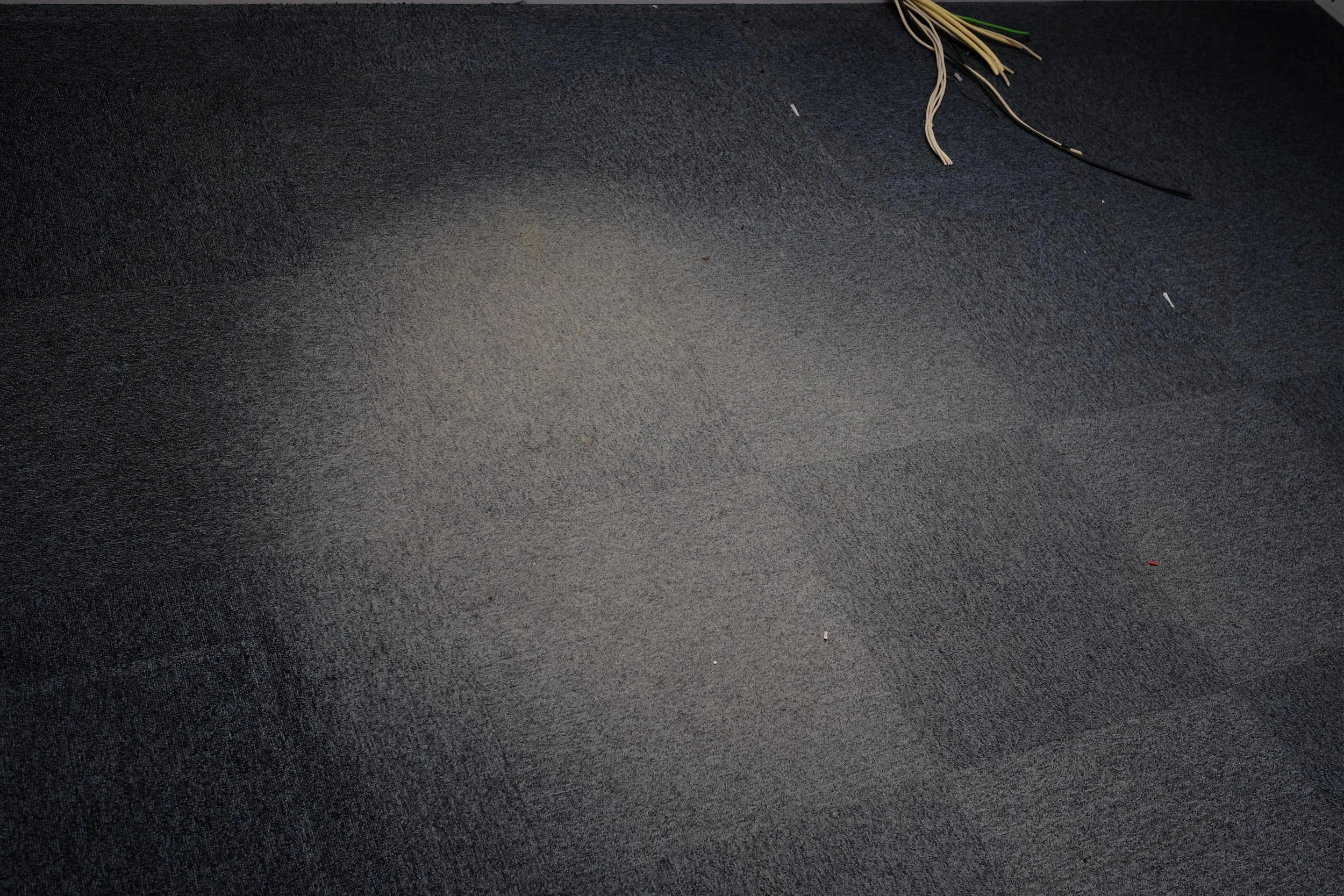
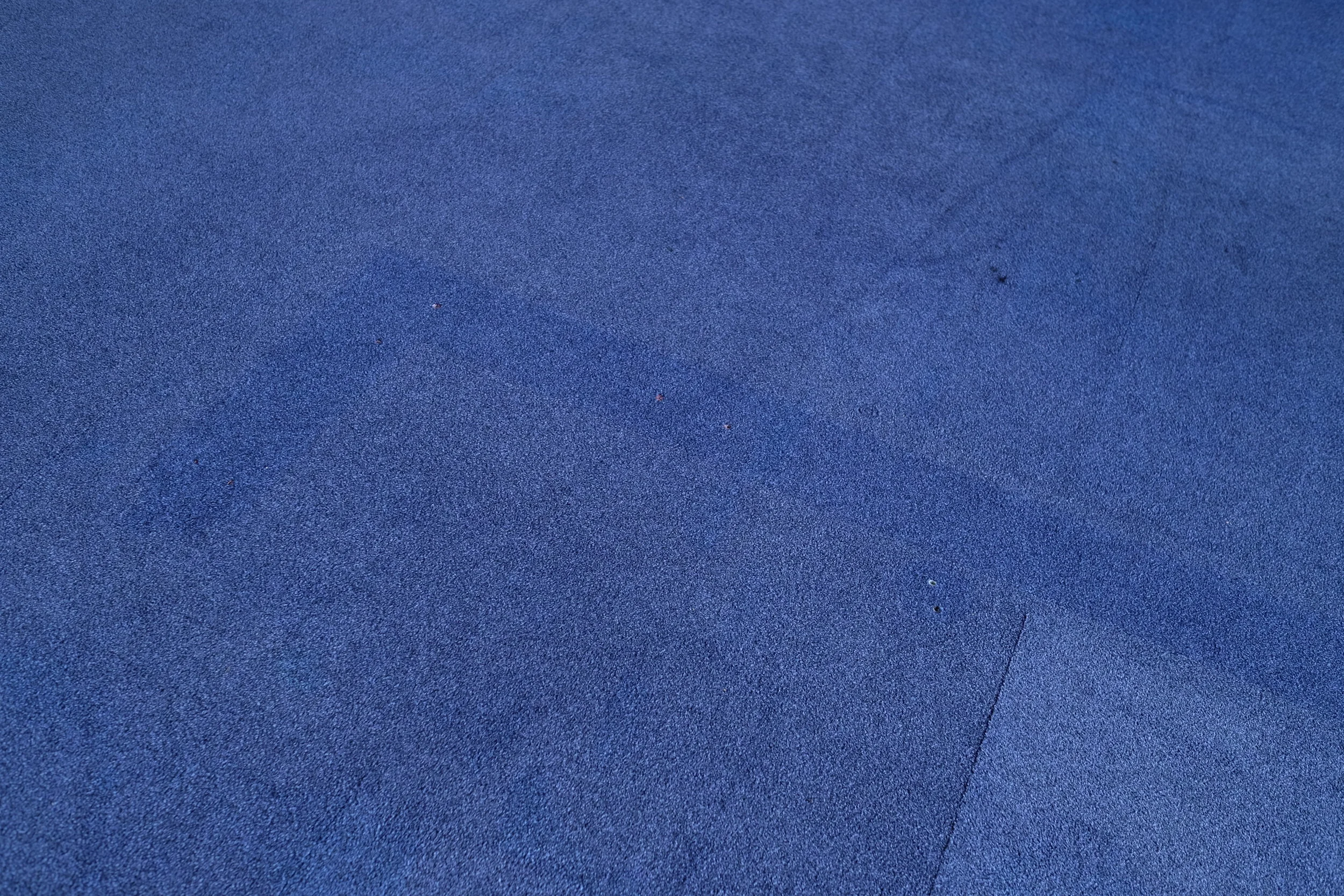
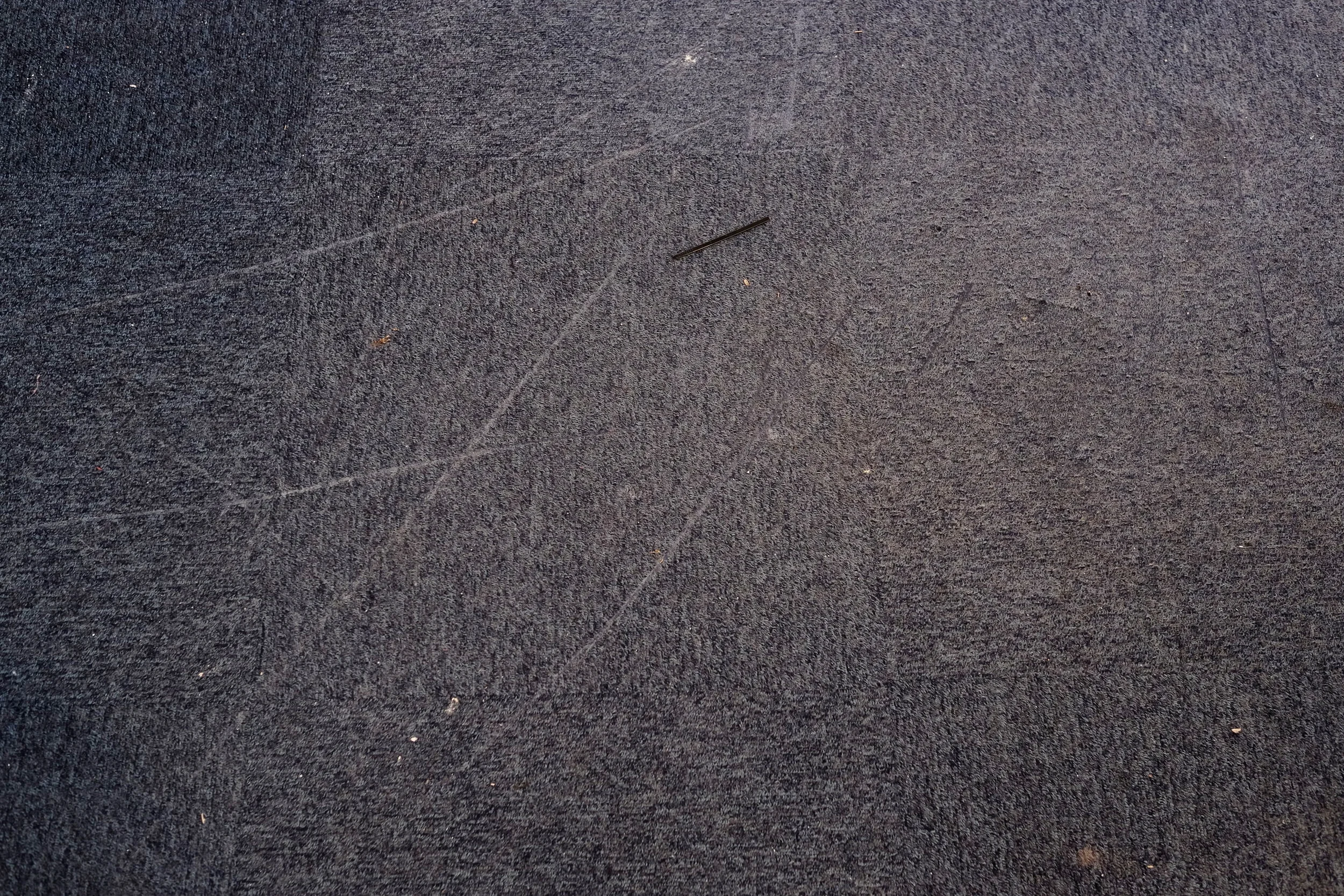
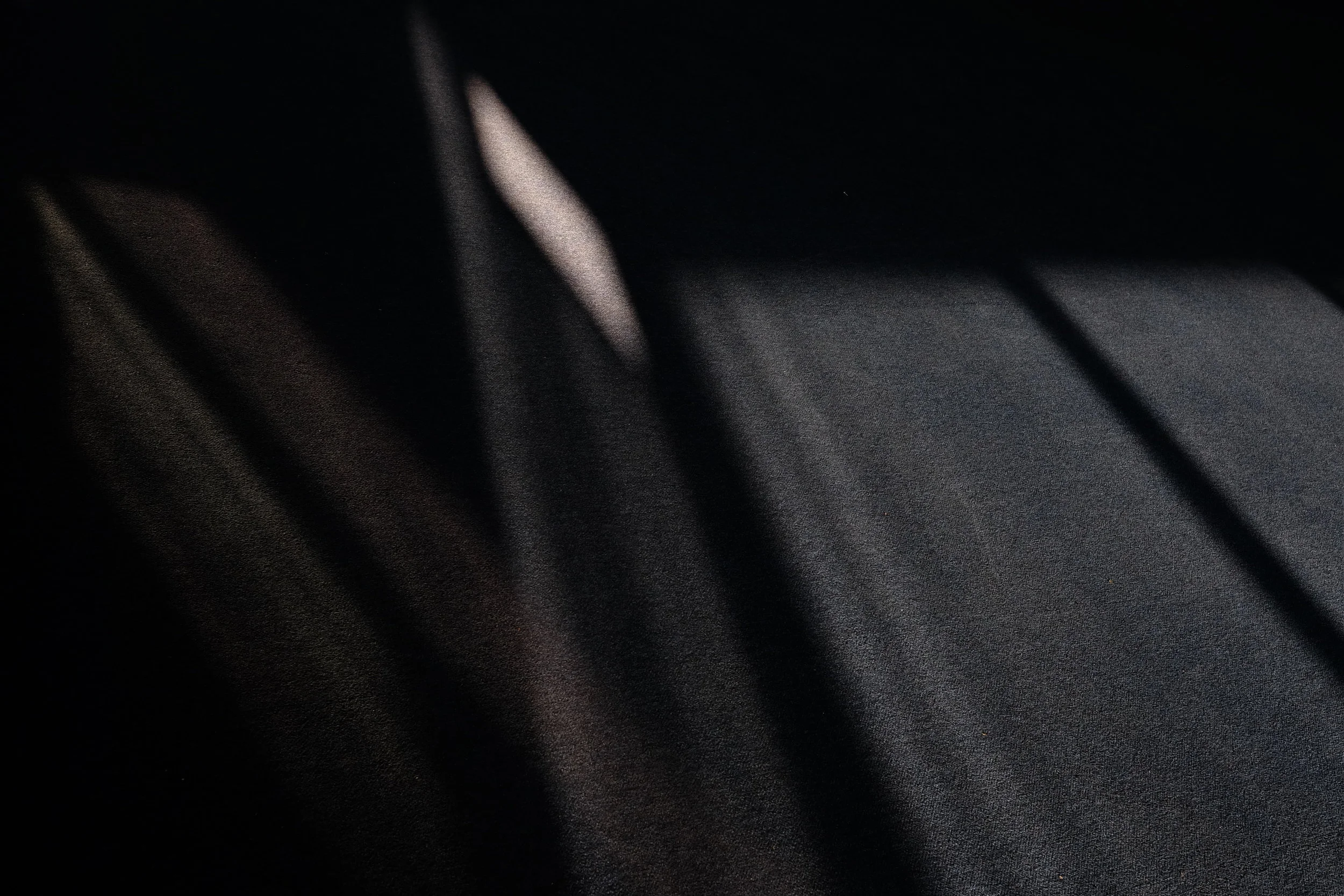
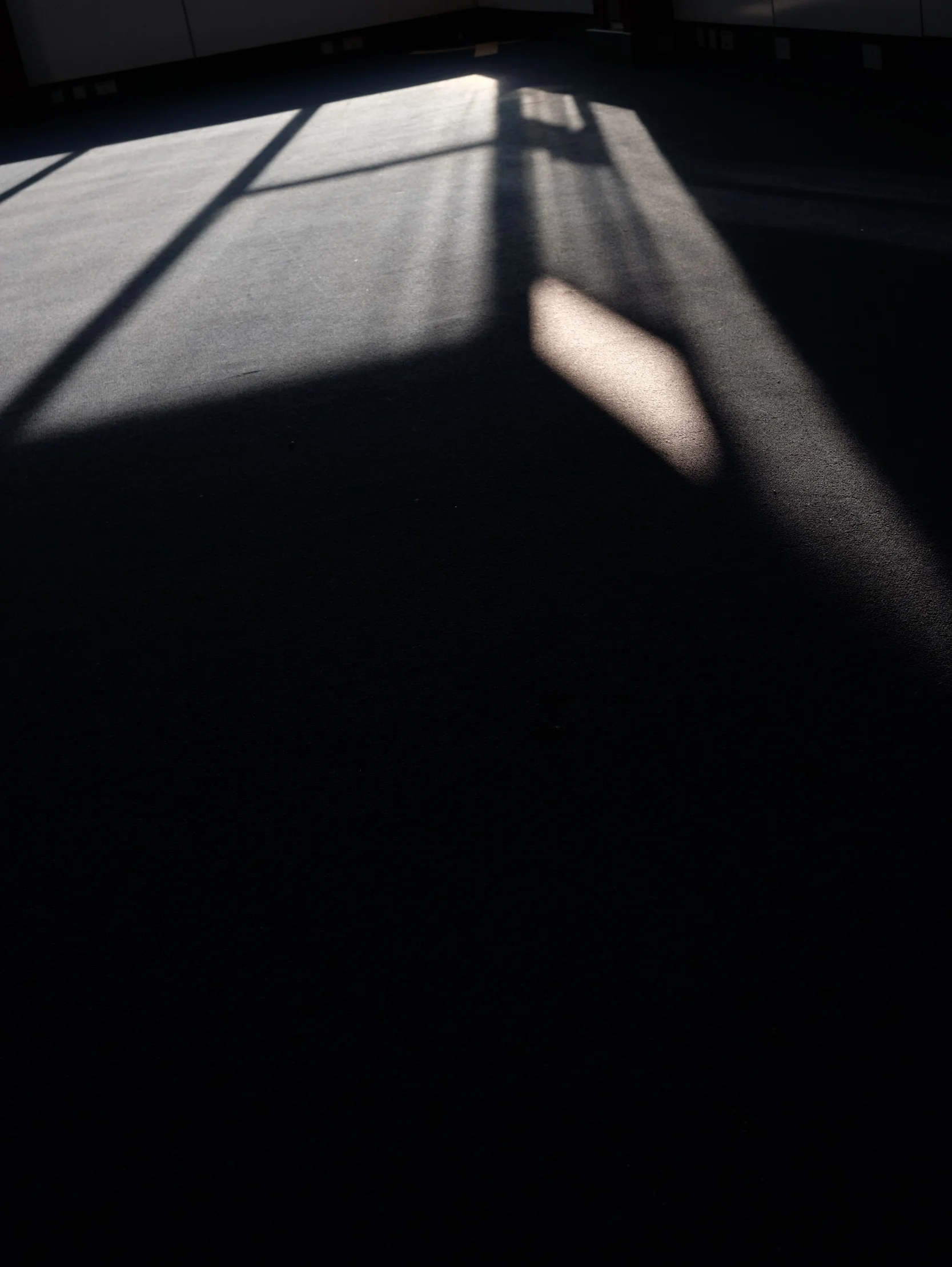
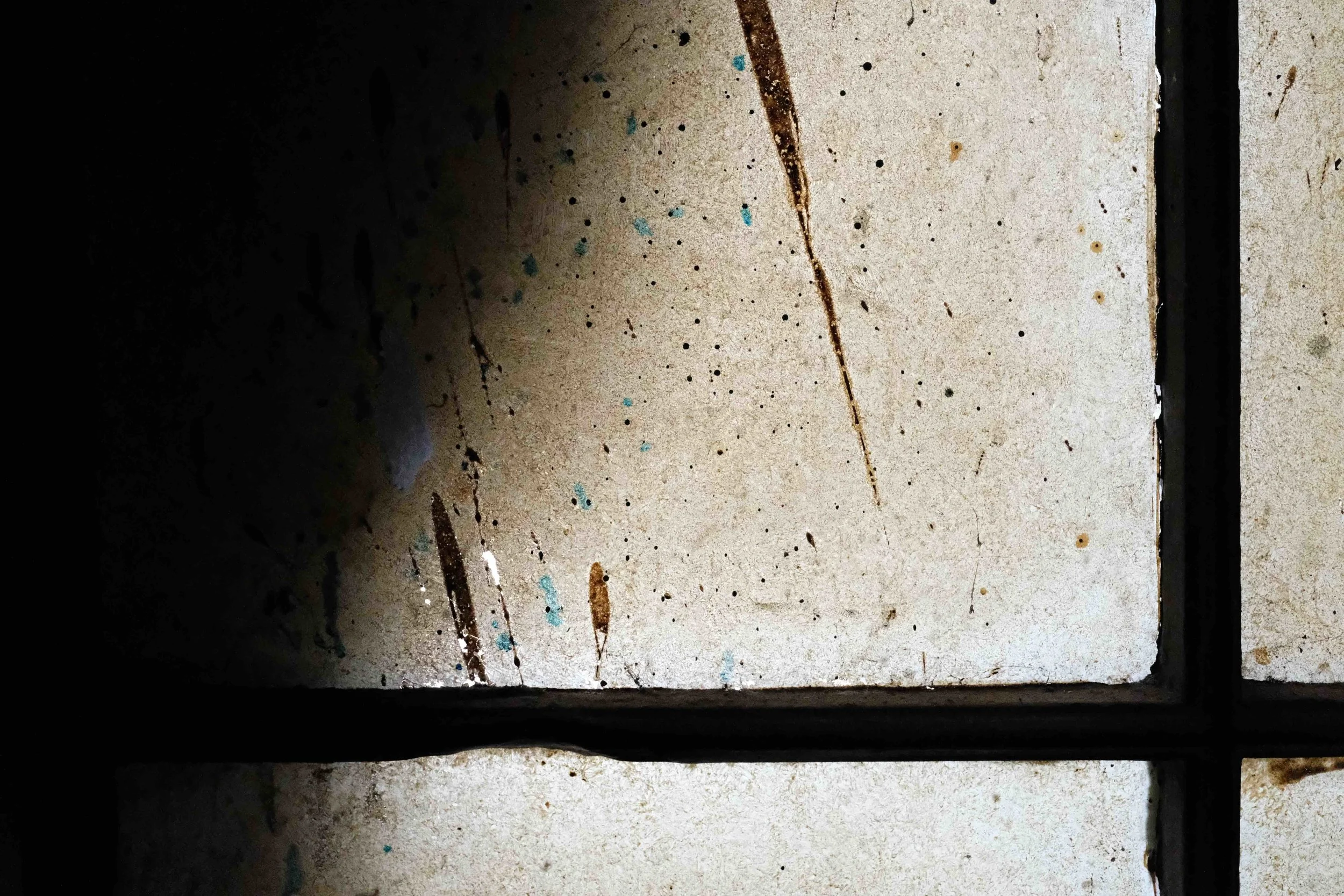
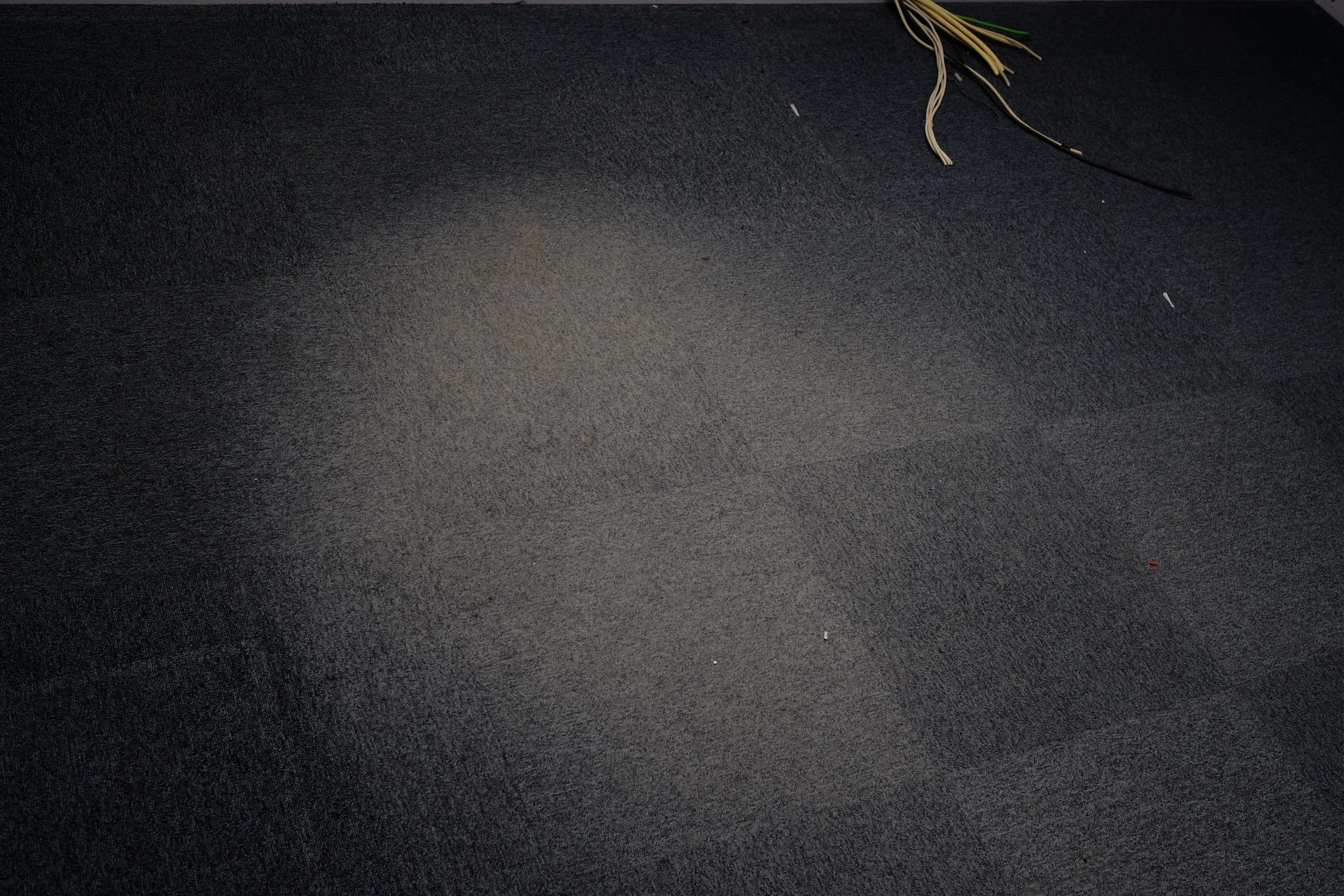
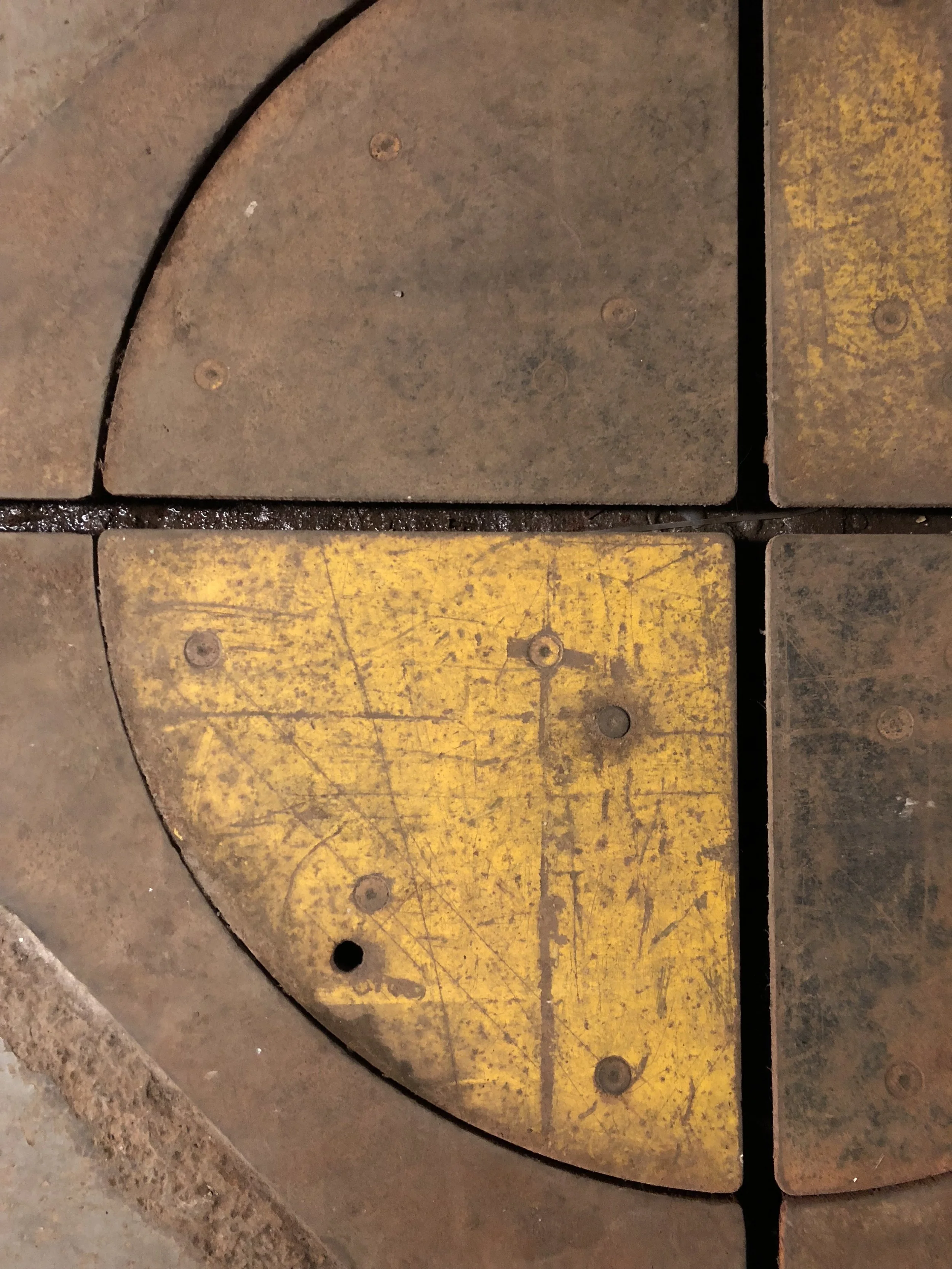
In editing a series from the Pause Project Philip found he had shot a notable series of floors.  

The texture, light and especially the marks and trails of human habitation were left for one to imagine the uses.
These were primarily found in John Madin's studio and office, 123 Hagley Road, Birmingham.

Shot 2017

DSCF3642.JPG
DSCF3616.JPG
DSCF3641.JPG
DSCF3646.JPG
DSCF3678.JPG
DSCF3731.JPG
DSCF3748.JPG

MASONIC LODGE

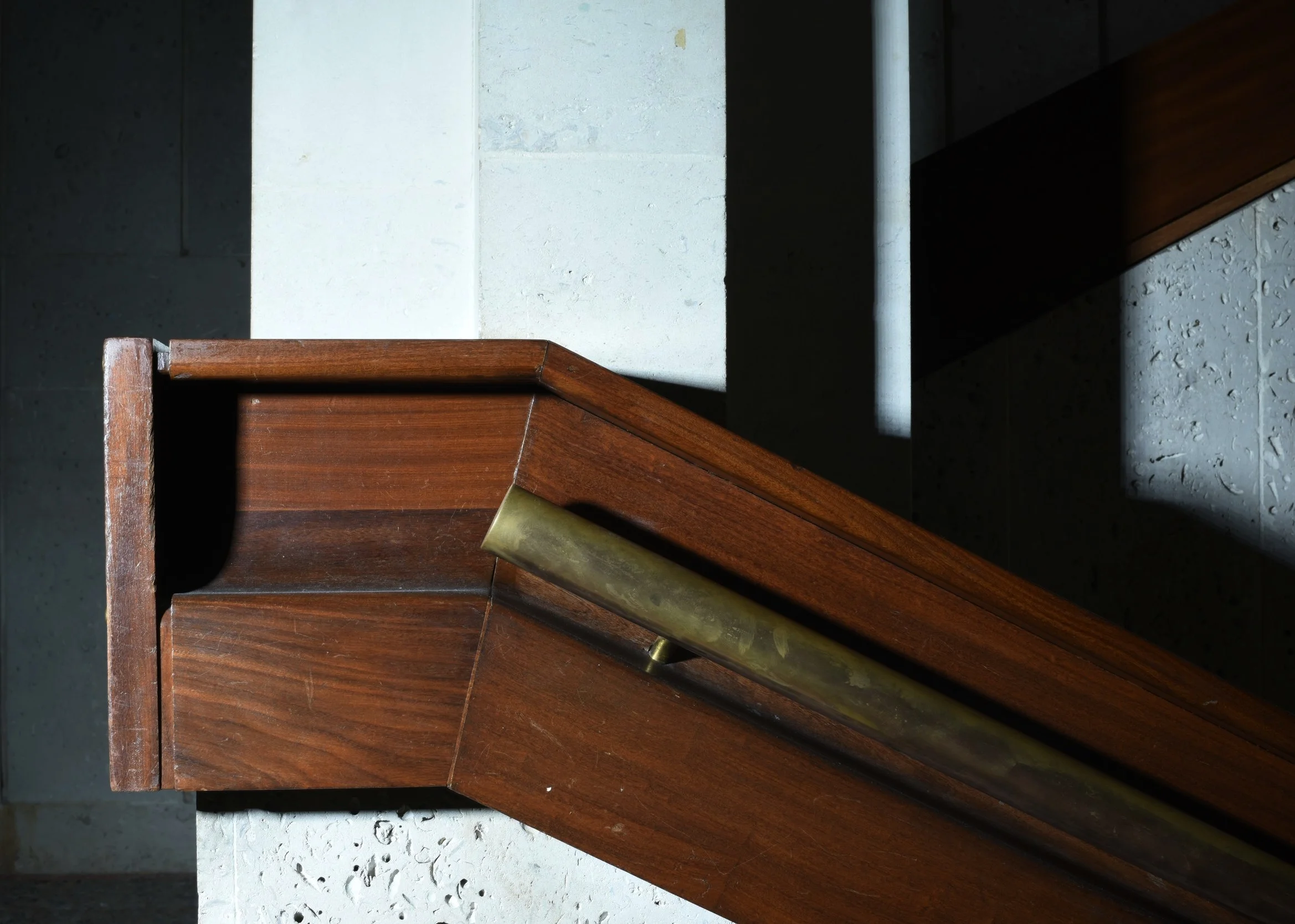
The Pause Project led Philip to this, the Clarendon Suite, purpose designed by John Madin in 1971. It is huge at 78,000 sq ft.  It is due for demolition to make way for seniors' housing.  

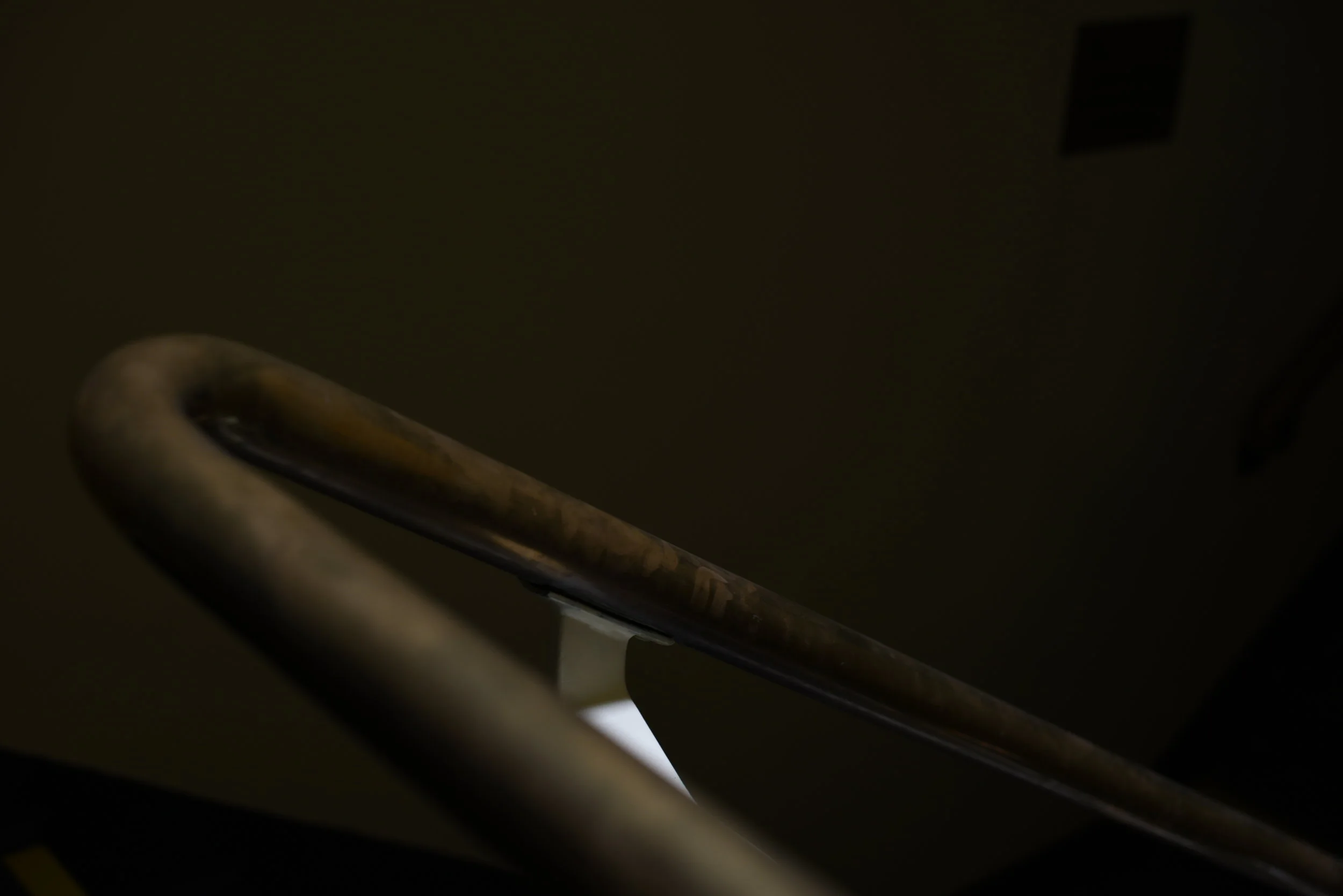
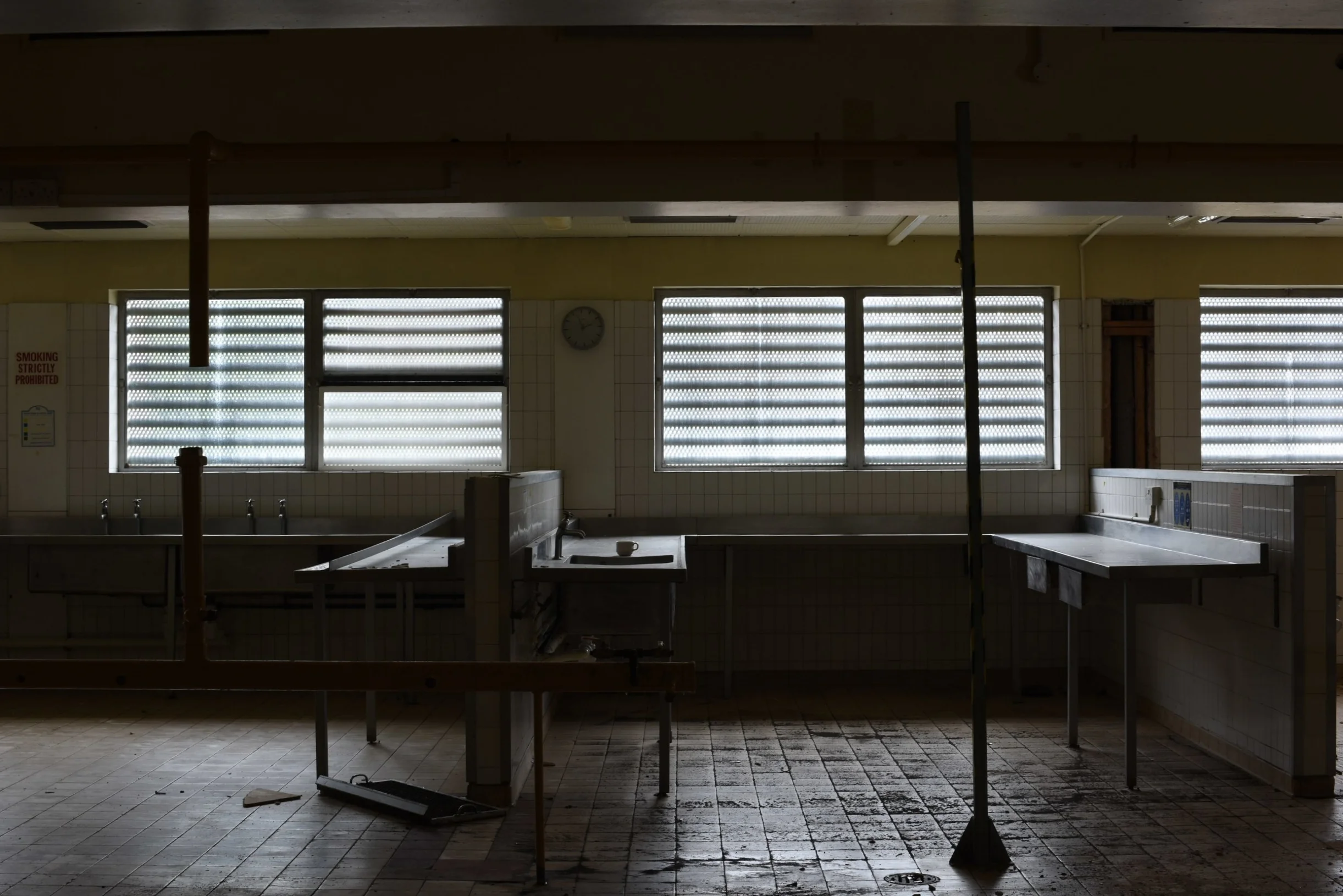
It has very few windows, thus enabling privacy within.  Philip found a few which allowed him to shoot in his preferred mode, with found light. The whole building had been vacated with just a few fascinating finds like a lone cup and some regalia, but the brass handrails proffered an implied processional grasping of many hands.

DSC_5524 copy.jpg
DSC_5444 copy 2.jpg
DSC_5469 copy.jpg
DSC_5403 copy.jpg

COVENTRY EVENING TELEGRAPH

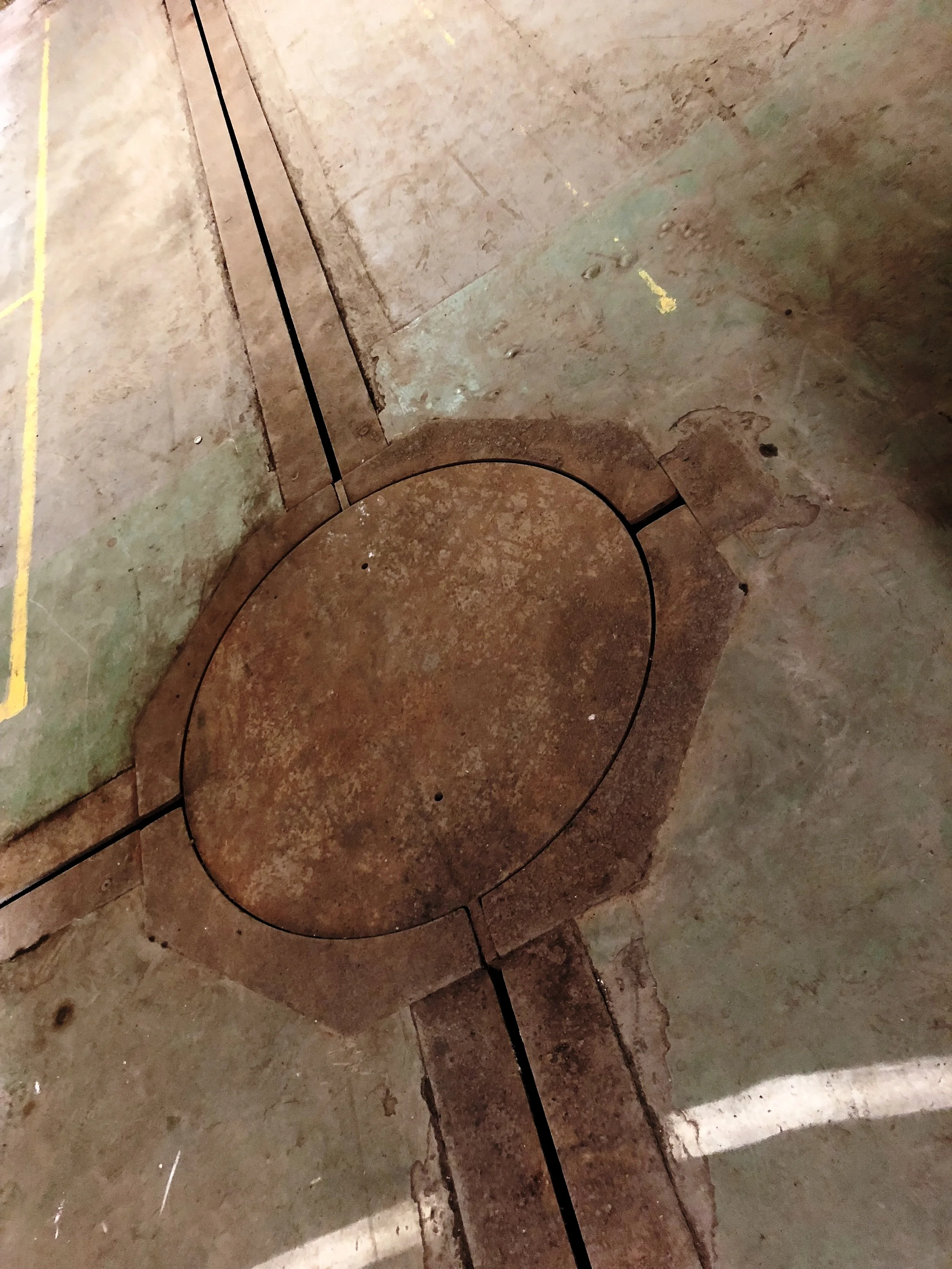
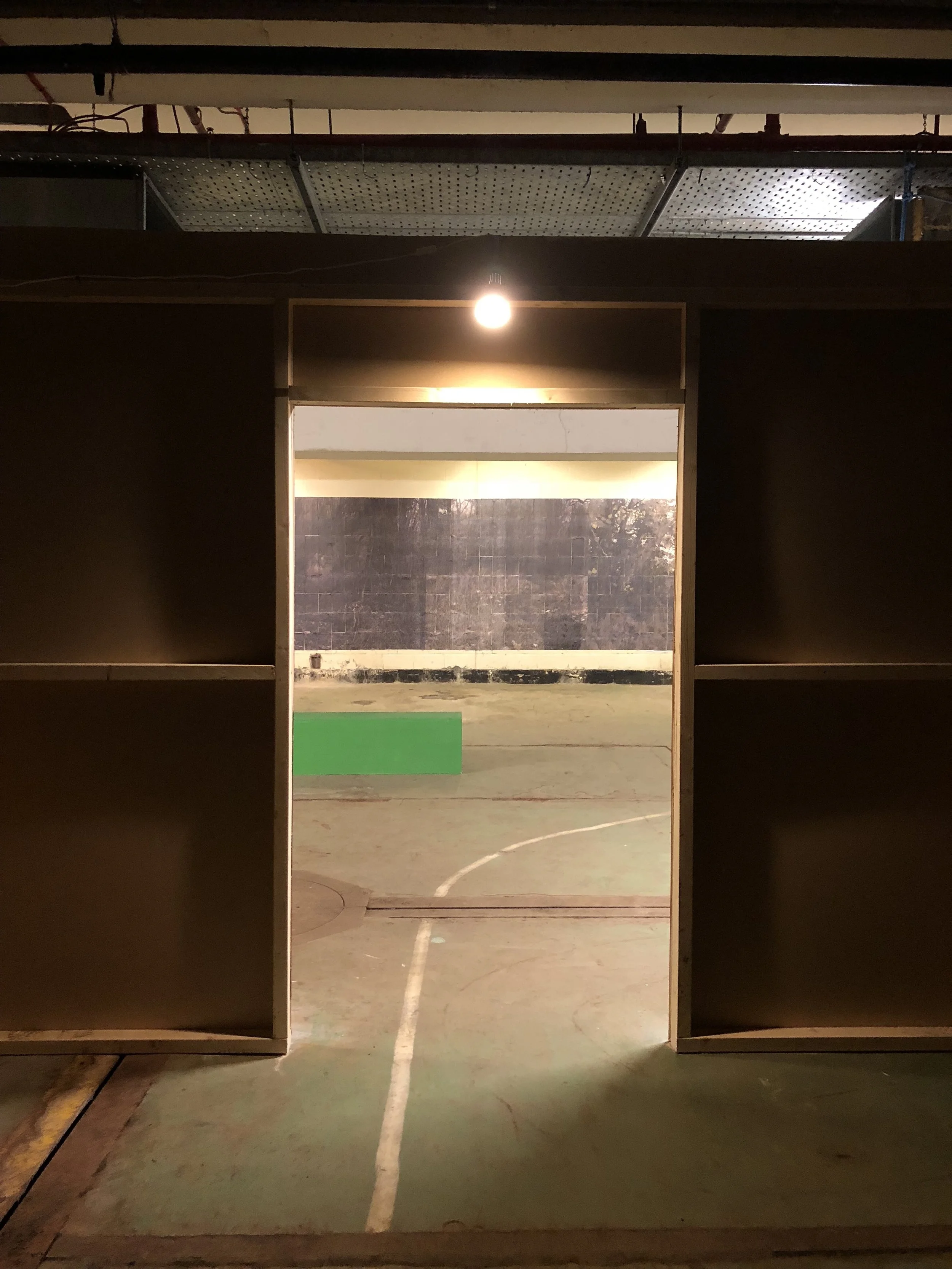
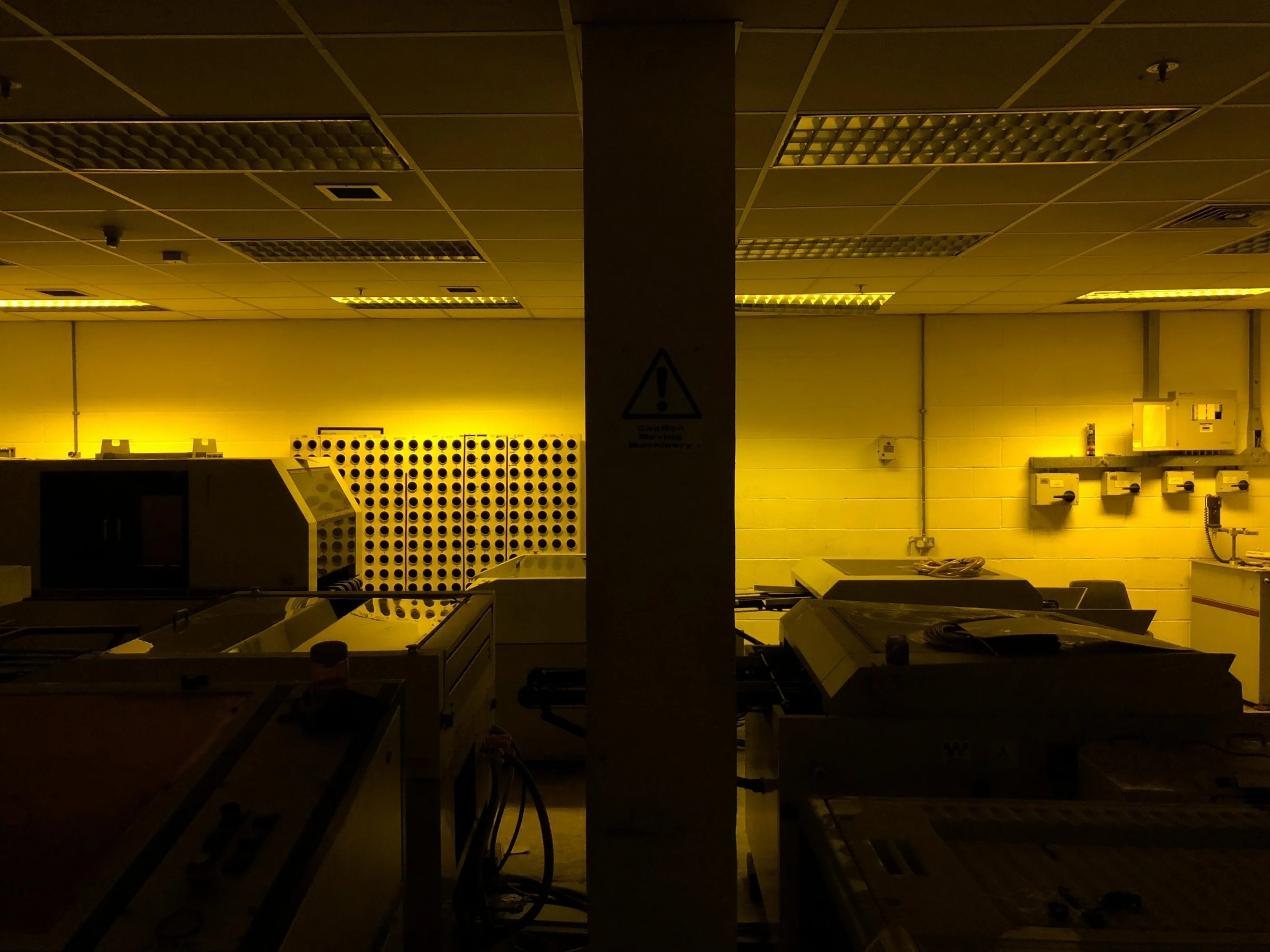
This cavernous and complex building offered an unplanned opportunity to shoot, armed just with my iPhone in 2017.
The site occupies a huge 50,000 sq ft space -  it's the purpose built printworks, and former HQ of the Coventry Evening Telegraph newspaper, constructed in 1957 during Coventry's post-war boom.

The building exudes the marks and traces of its heavy, daily grind of ink, paper and machinery.

IMG_0502 2.JPG
IMG_0485 2.JPG
IMG_0500 2.JPG
IMG_0506 2.JPG
IMG_0507 2.JPG
IMG_0470 2.JPG
IMG_0471 2.JPG
IMG_0498 2.JPG
IMG_0508 2.JPG

HERBERT HOUSE

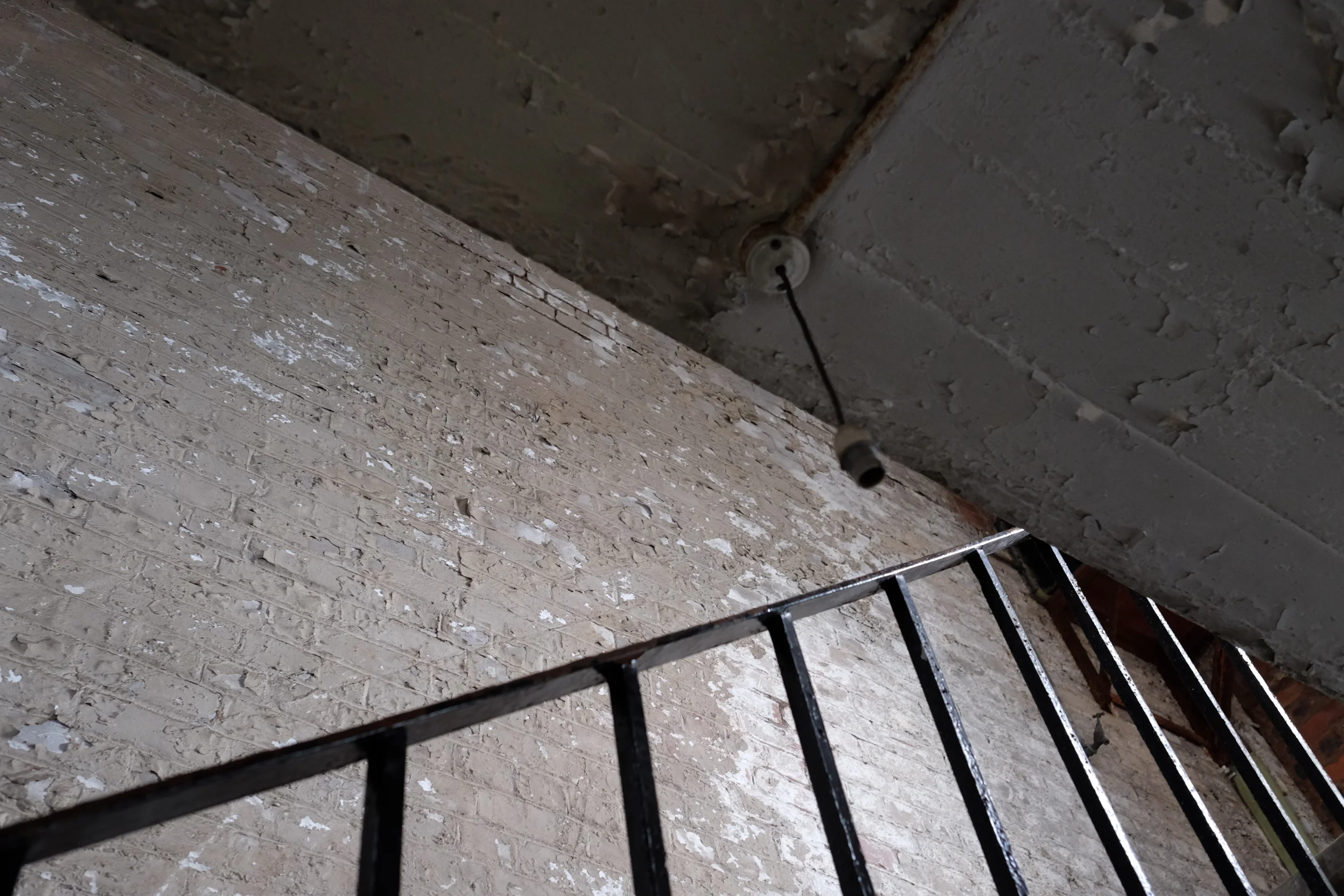
As part of the Pause Project, Herbert House was shot in 2017 in its vacated state,  it was once a Vodafone office.

It was bought by Pimlico Capital to create a series of residential apartments.

The trace of human life was visible throughout; at its most extreme - the removal of a whole straircase!

hHouse11.jpg
DSCF1926 copy.jpg
HHouse.jpg
HHouse4.jpg
hHouse7.jpg
DSCF1876 copy.jpg
DSCF1919 copy.jpg

GILDERS' YARD

Another in the series The Pause Project.  Gilders' Yard is a group of buildings, part of Birmingham's industrial heritage being taken to a new life as resedinetial apartments.  Shot in 2017.

The site has a fascinating history dating back to Francis Webb, who were the first manufactory on the site c. 1864, located behind the frontage buildings on Harford Street. Francis Webb manufactured highly decorative pencil holders and thimbles.
The next manufacturer to locate to the site was John Ashford and Sons, who had the (now Grade ii* listed) building purposely constructed for their use. They mass manufactured a variety of items including cufflinks and buttons from the factory. Their range was typically geometrical in nature and consisted of enamelled decoration and patterns etched into solid panels. The scale of decoration is notably different from the earlier delicate patterns of Francis Webb.
Text Credit http://bpnarchitects.co.uk/?project=gilders-yard

jq doorway.jpg
jq stair.jpg
jq switch.jpg
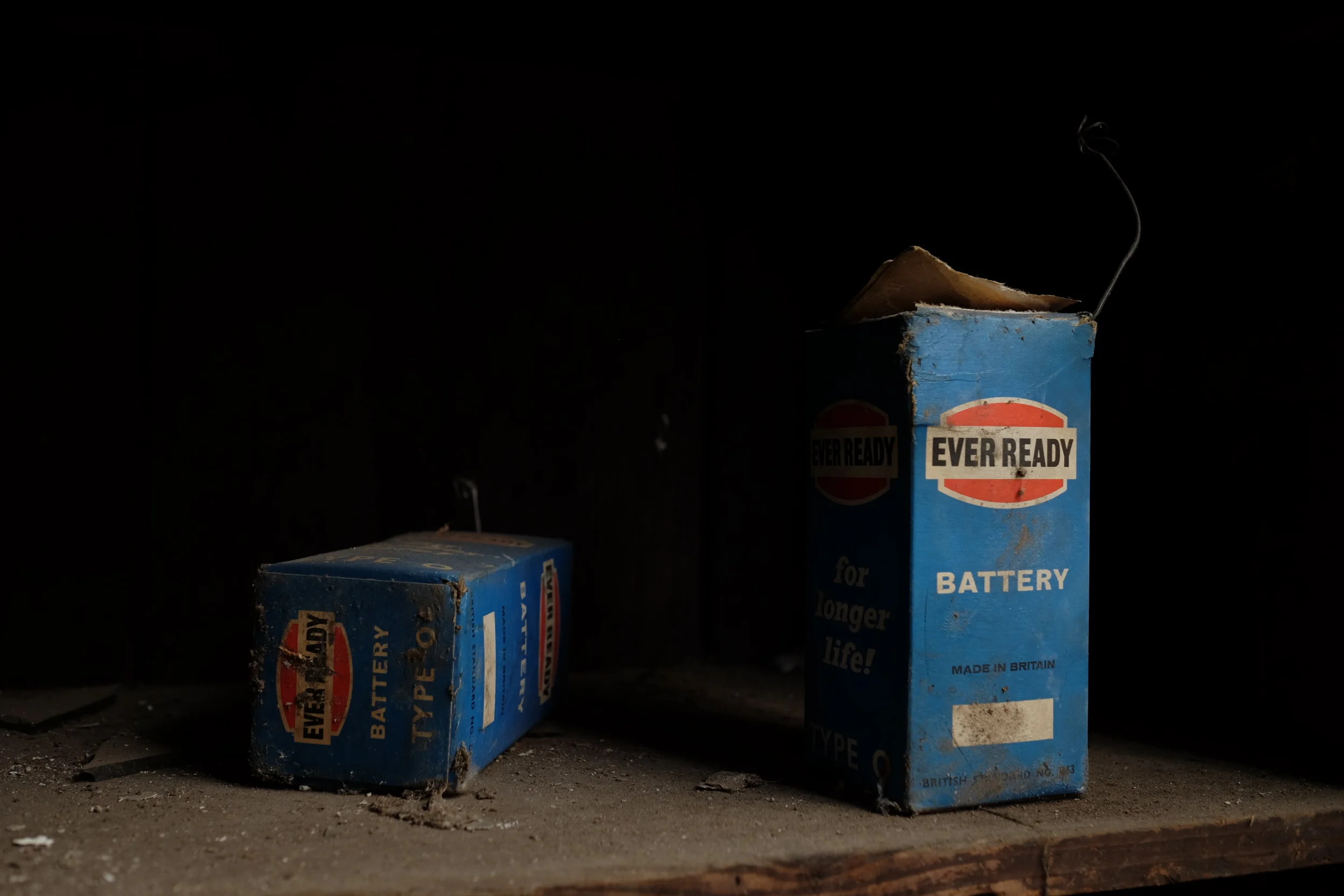
jq battery.jpg
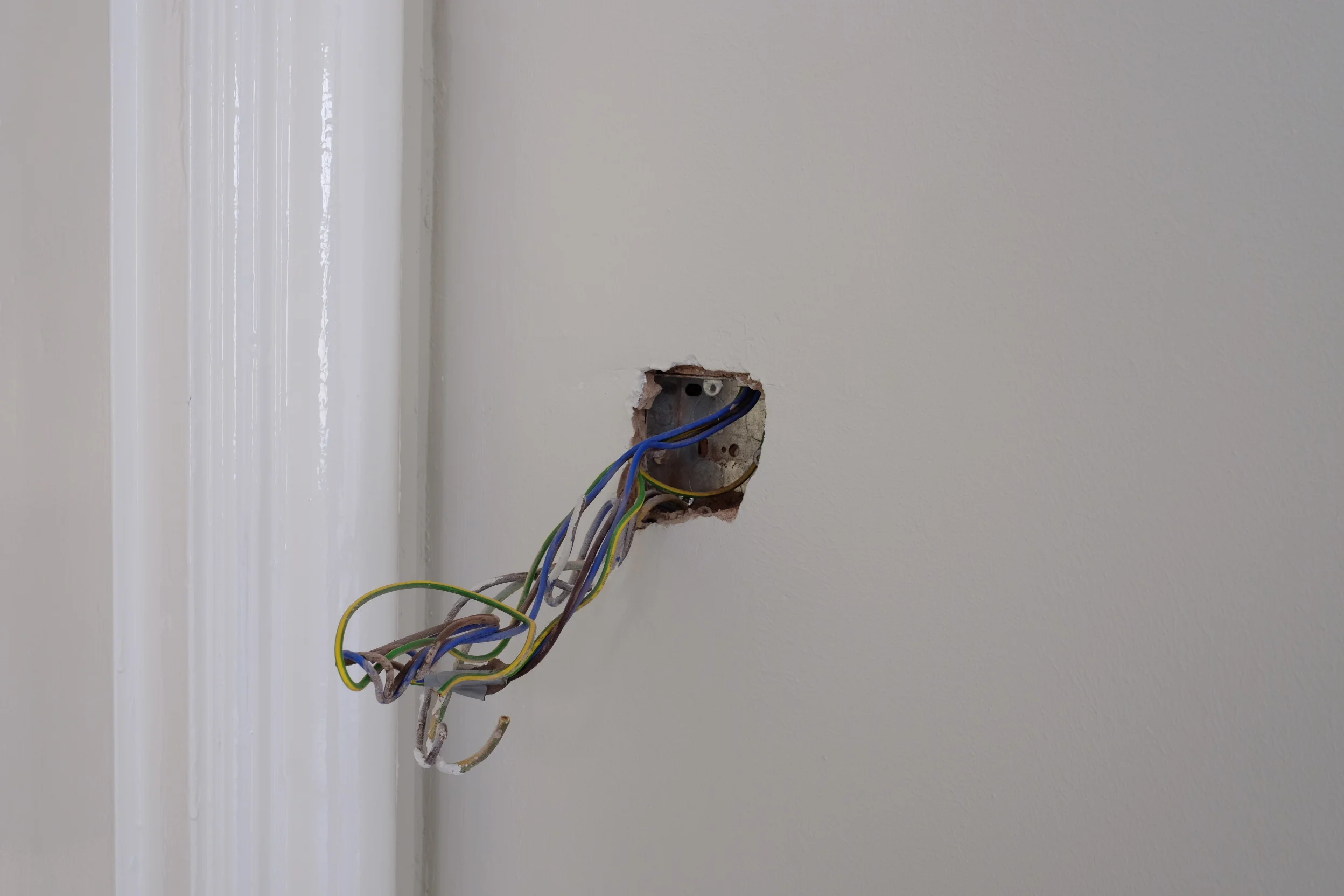
jq cables.jpg
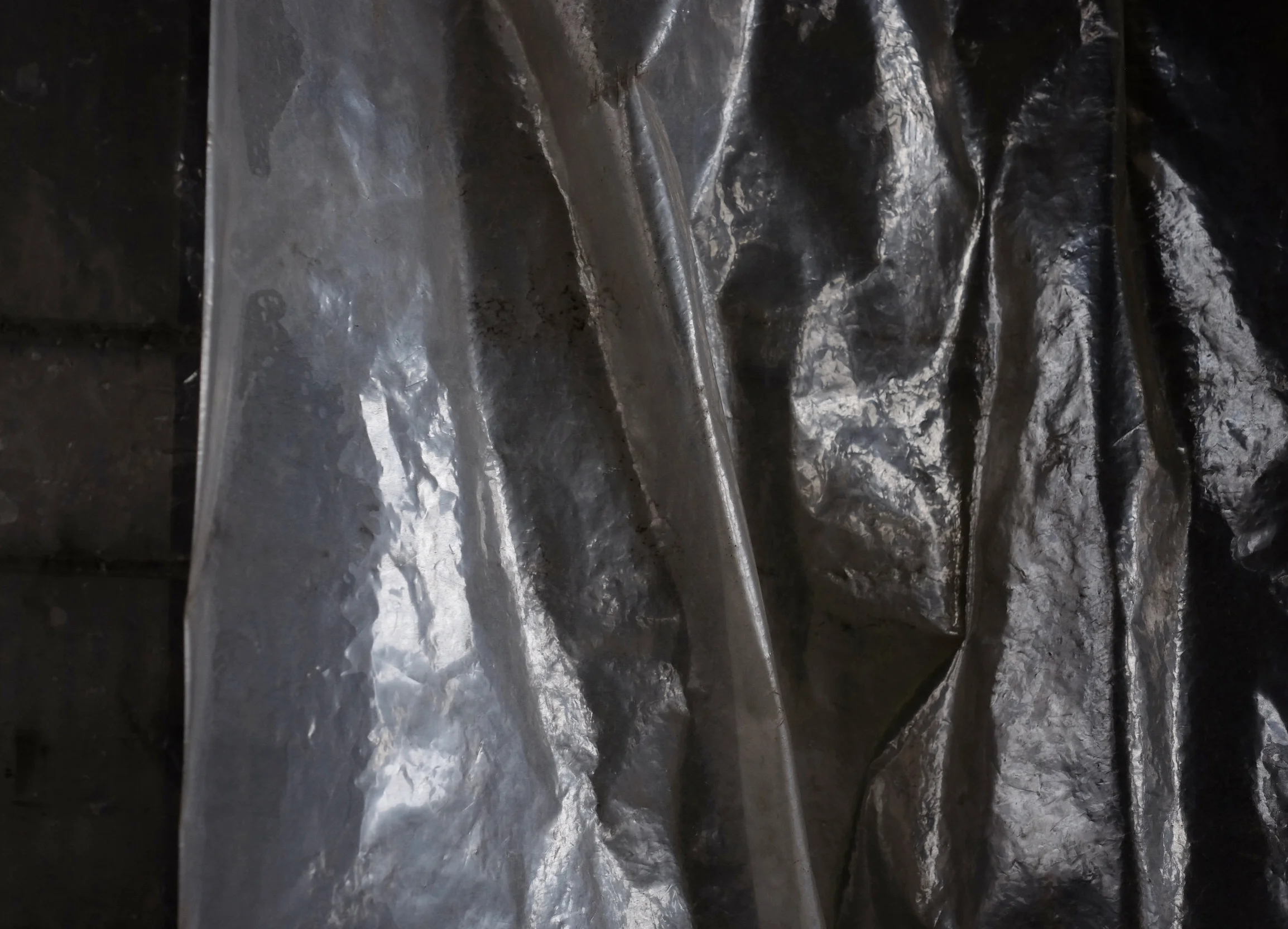
jq polythene.jpg
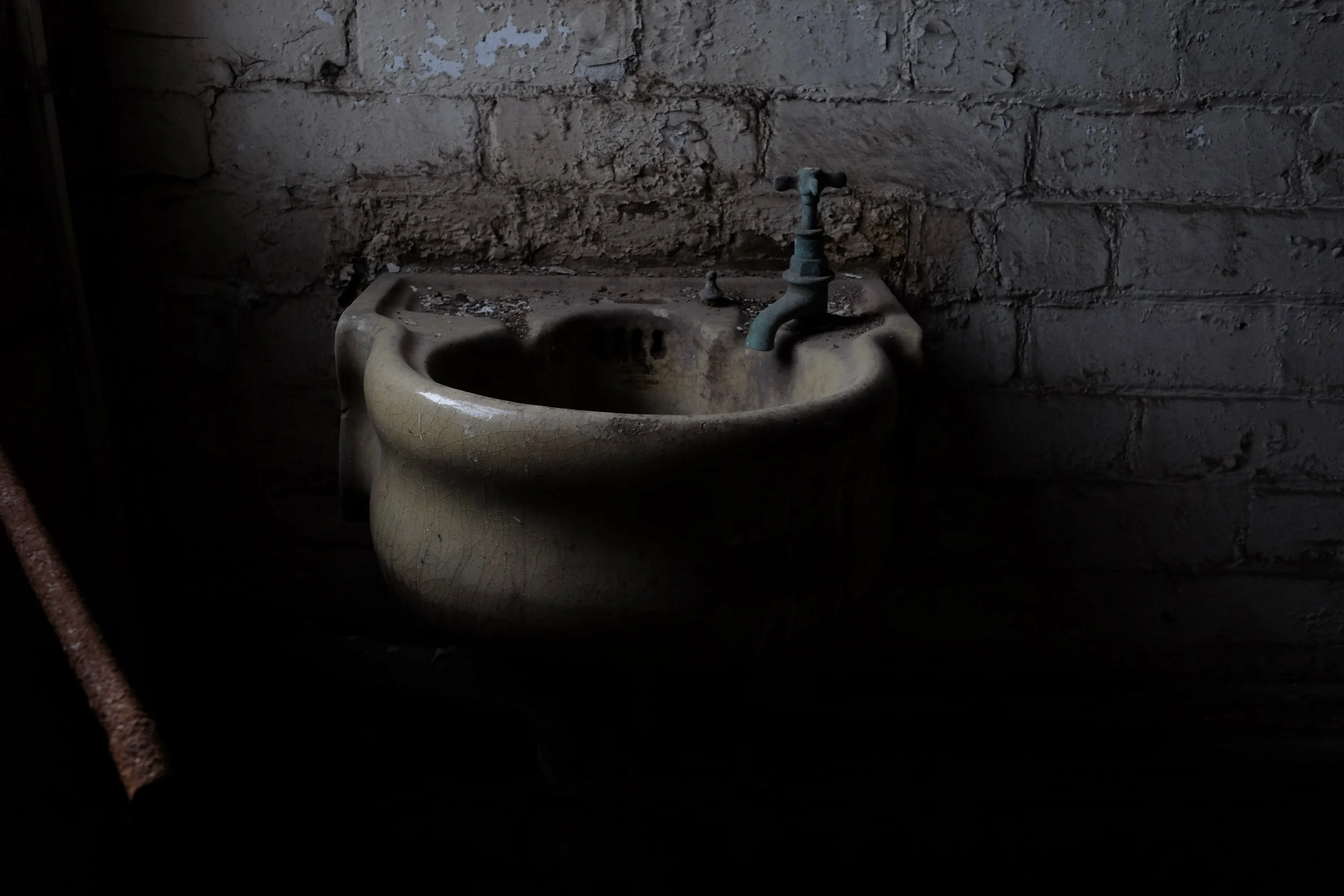
jq sink.jpg
JQ stair upwards.jpg

SPAGHETTI JUNCTION

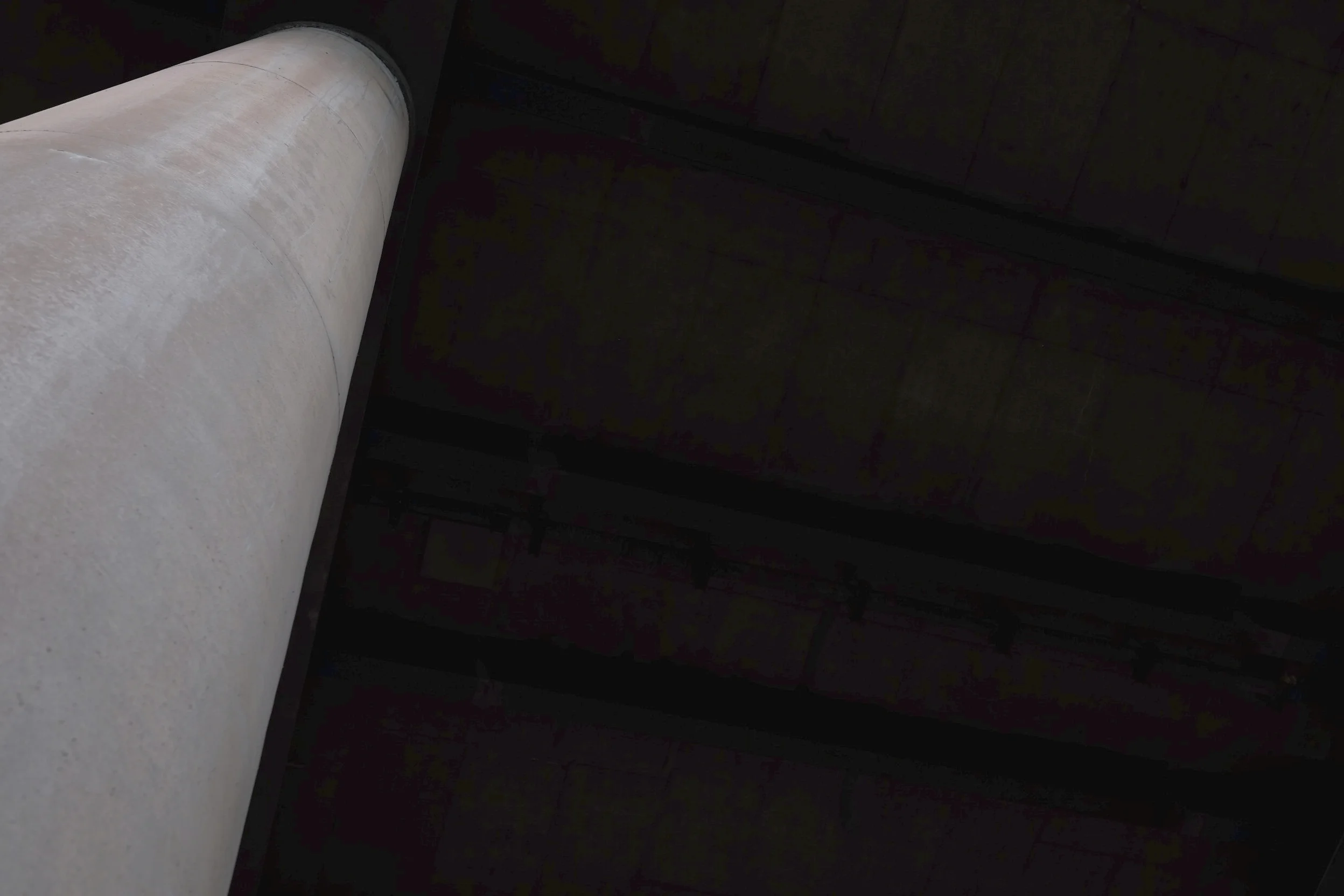
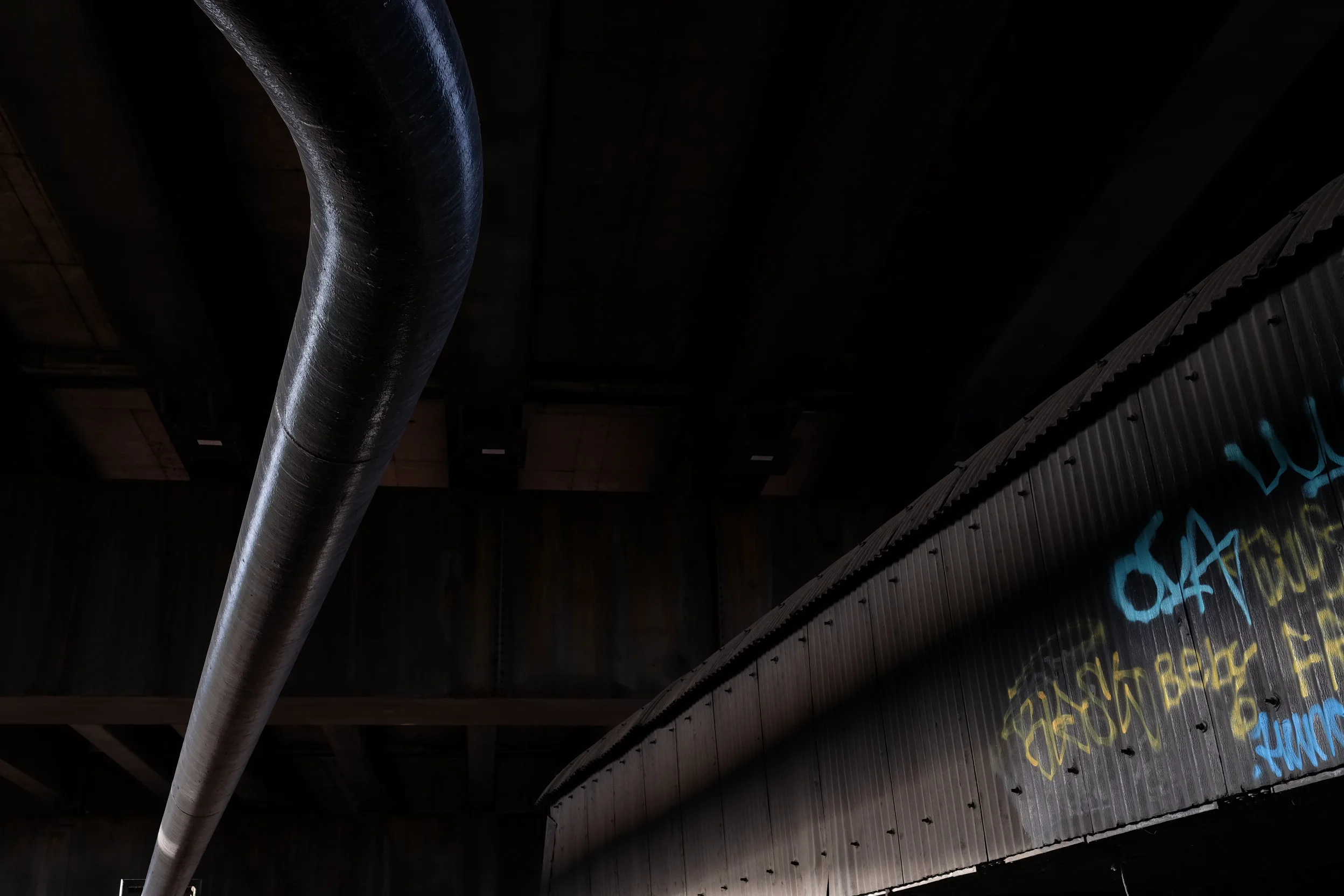
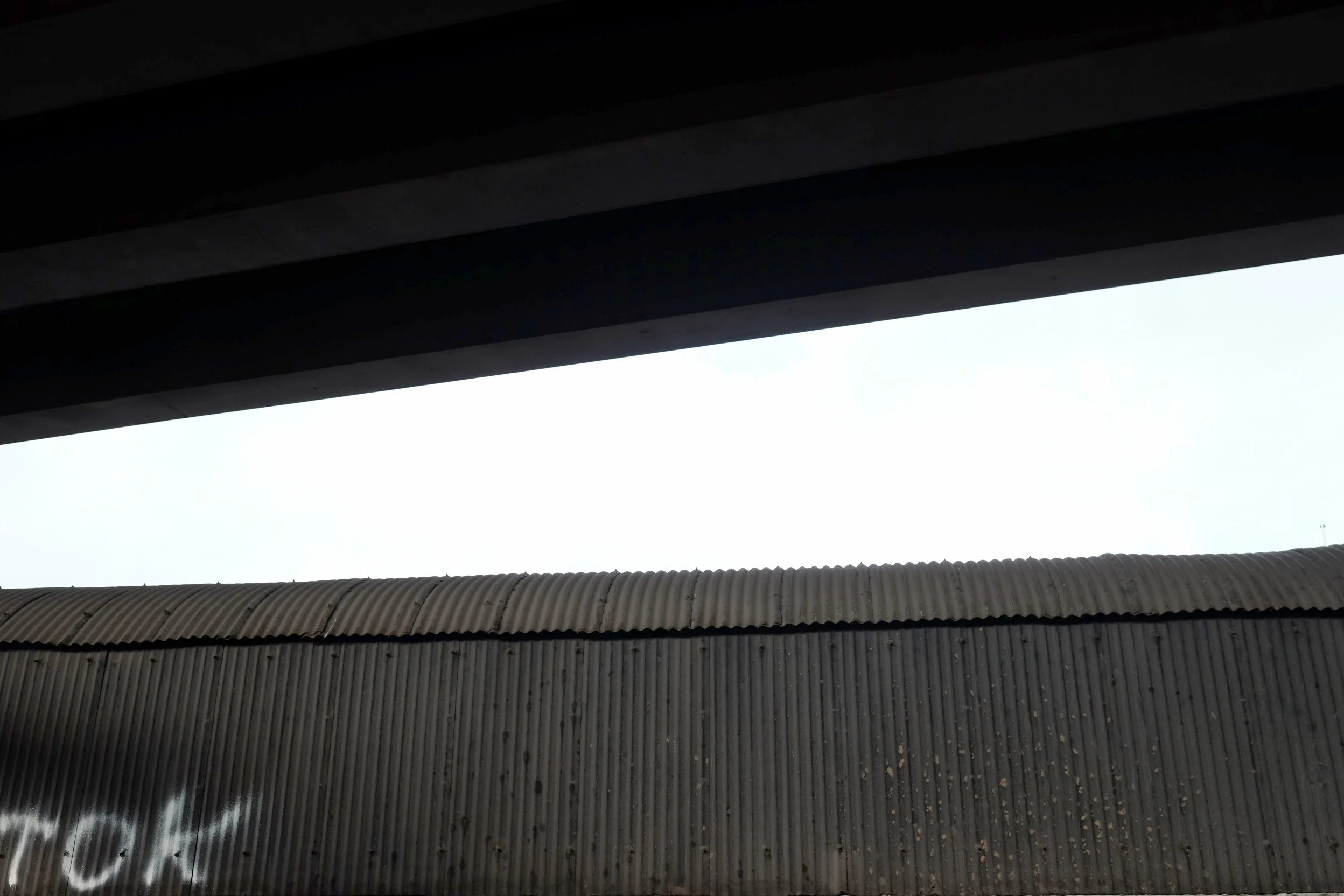
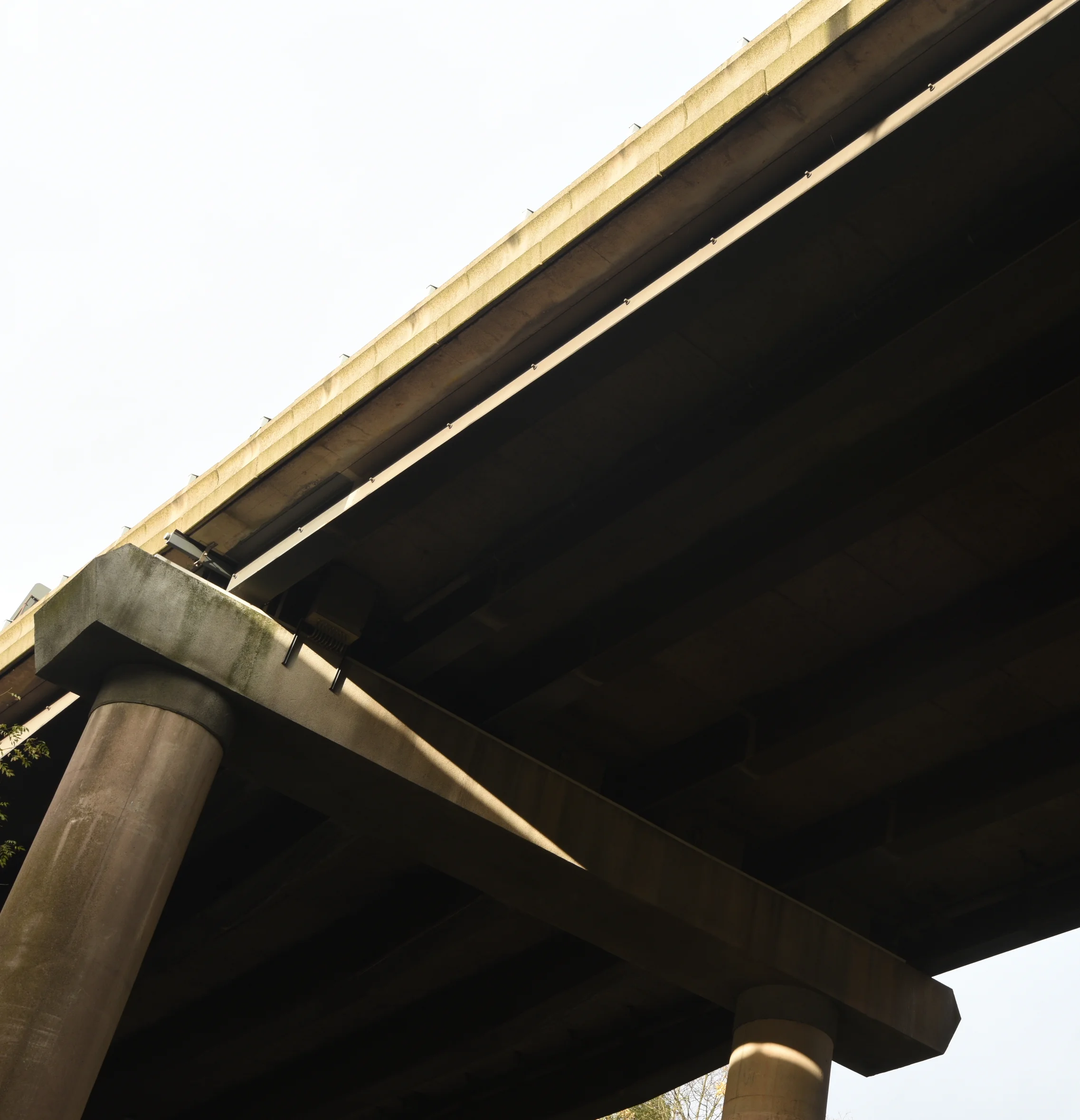
This is a powerful part of Birmingham's visible iconography - Junction 6 of the M6 motorway as it intersects with the A38M.  

Viewed from the highly underpopulated waterways that snake through the underbelly of this roaring space; the scale and power of the concrete in its muscular, but also intimate grain, was the purpose of this shoot in 2017.

spag 5.jpg
DSCF3071 copy.jpg
spag 1.jpg
spag 4.jpg
DSC_6397 copy.jpg
spag 7.jpg

TATE MODERN

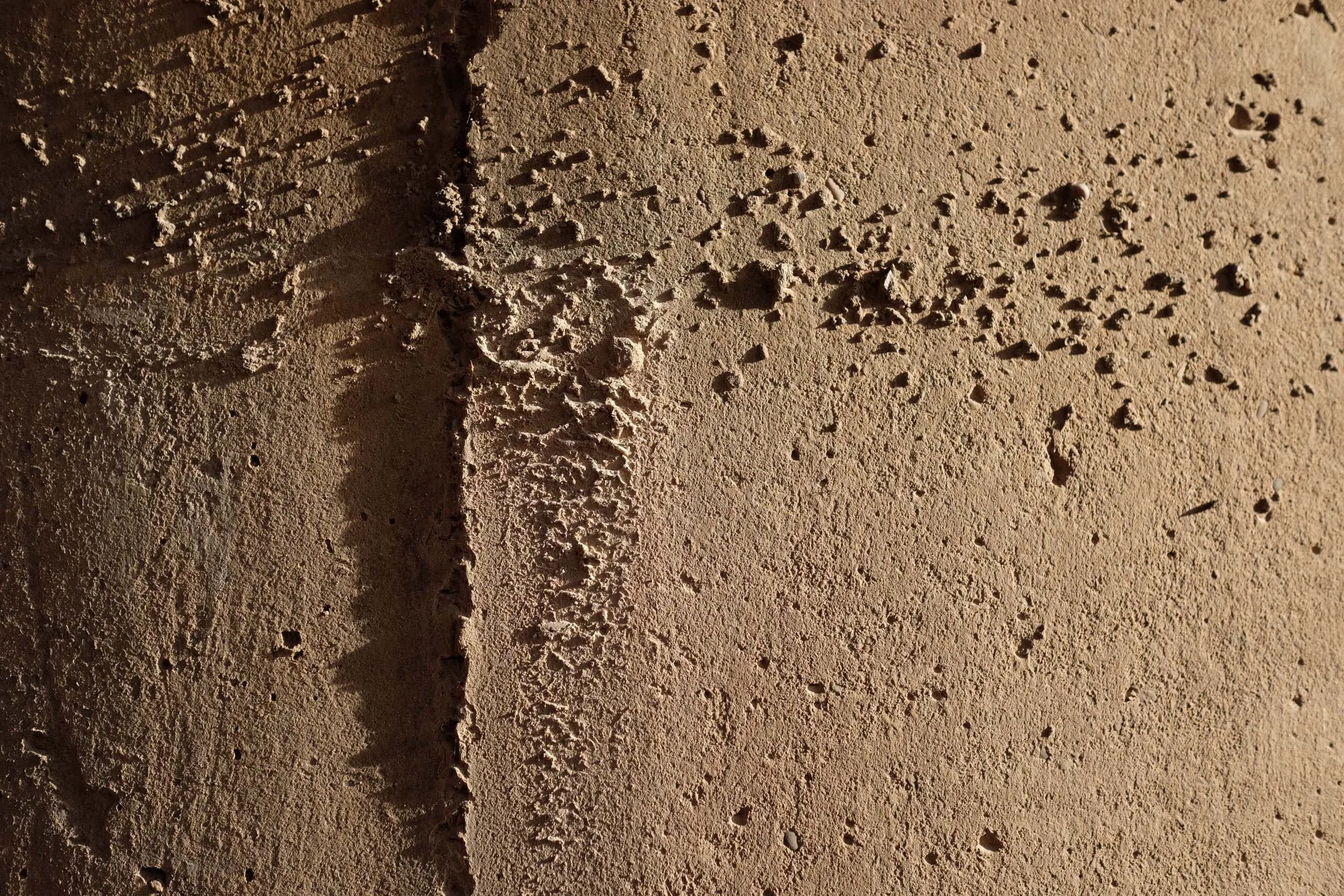
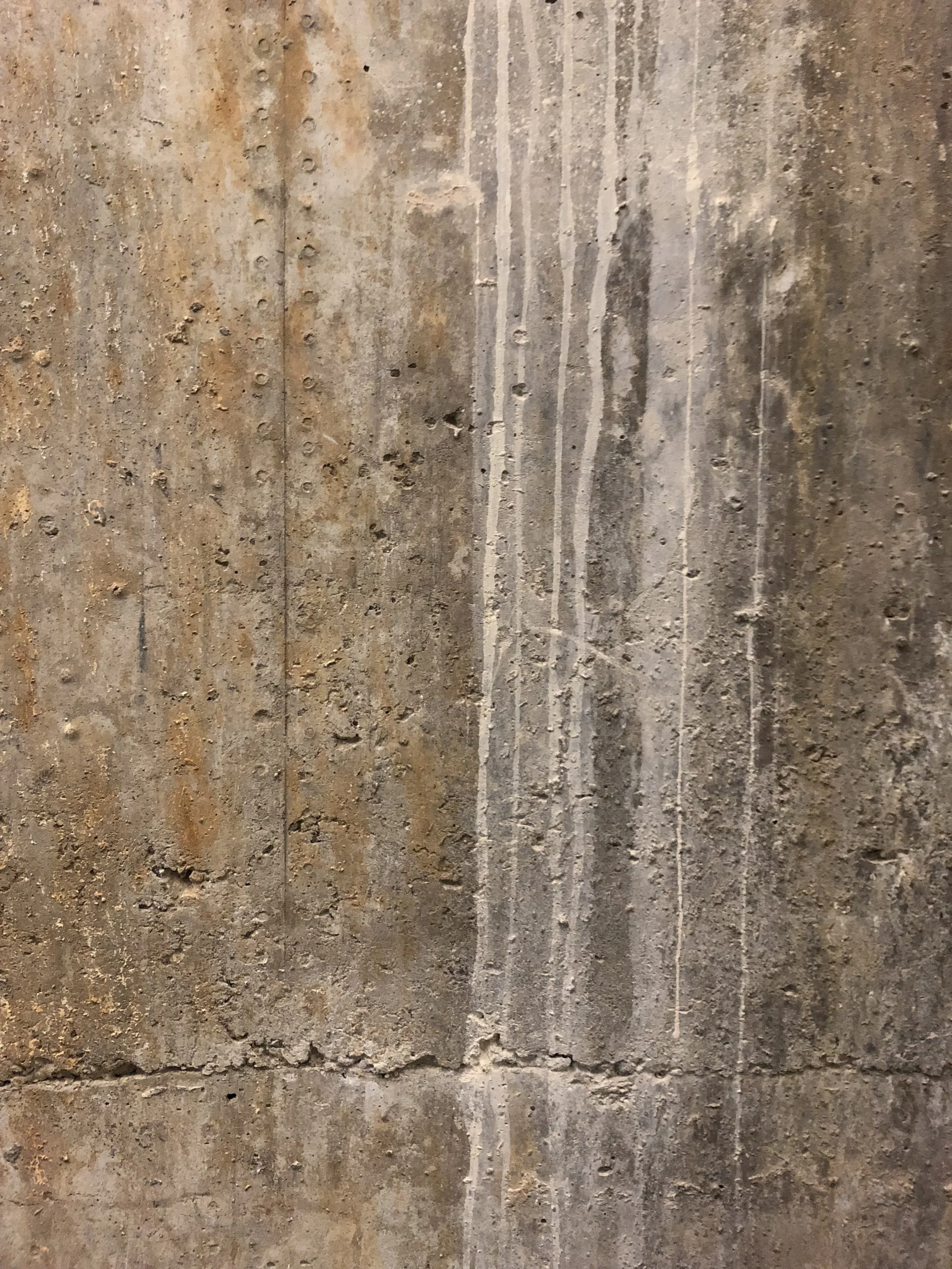
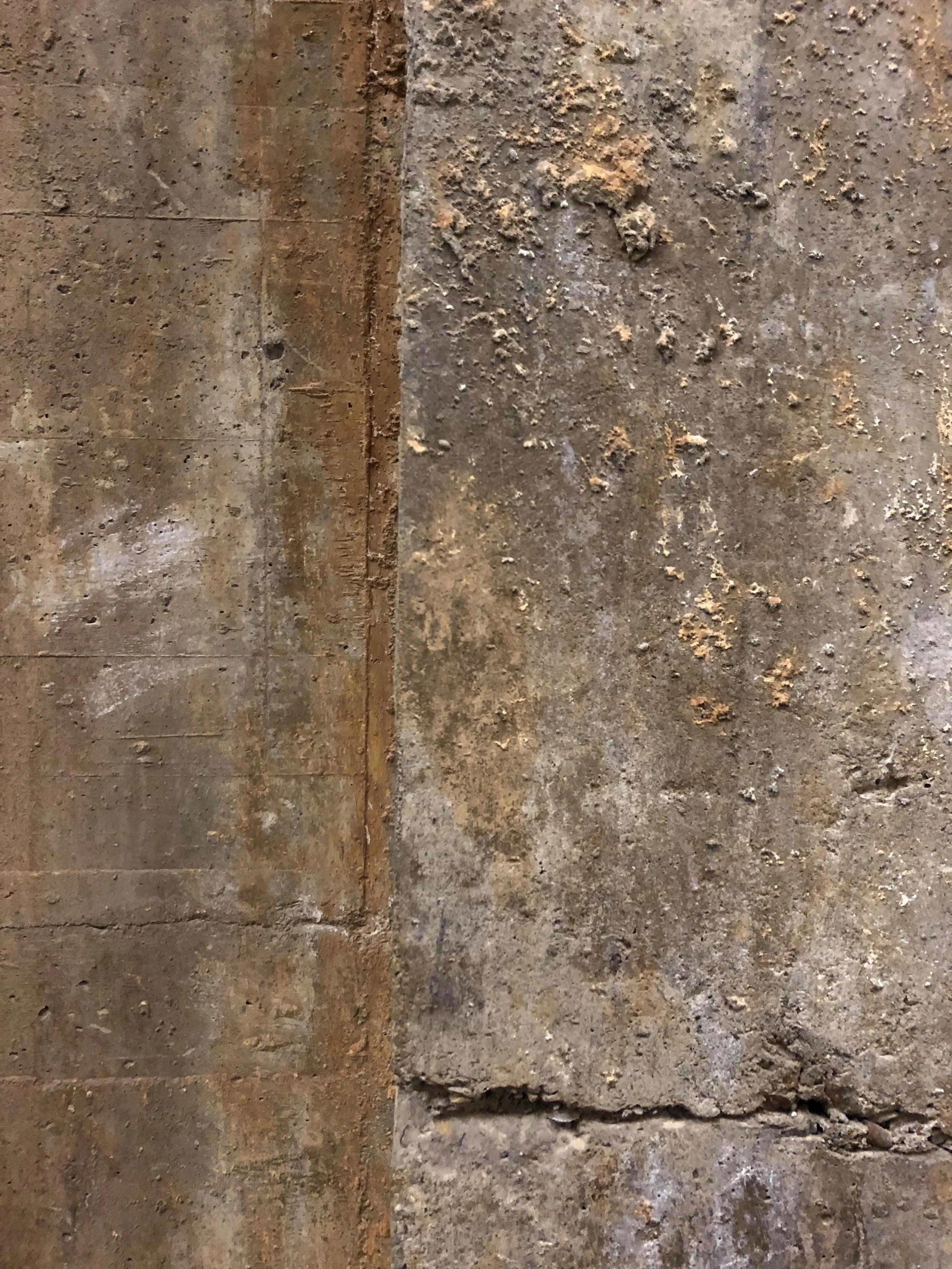
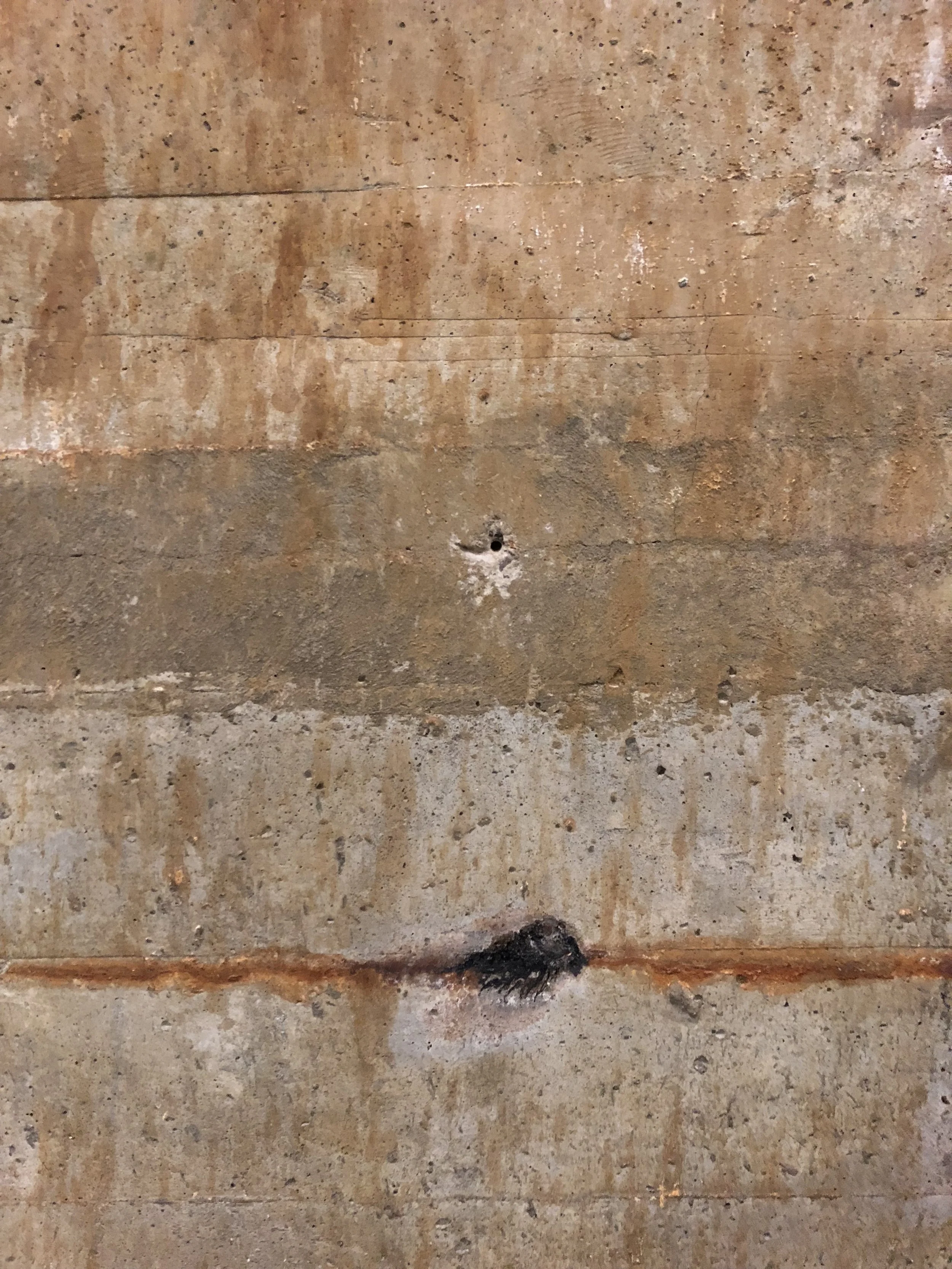
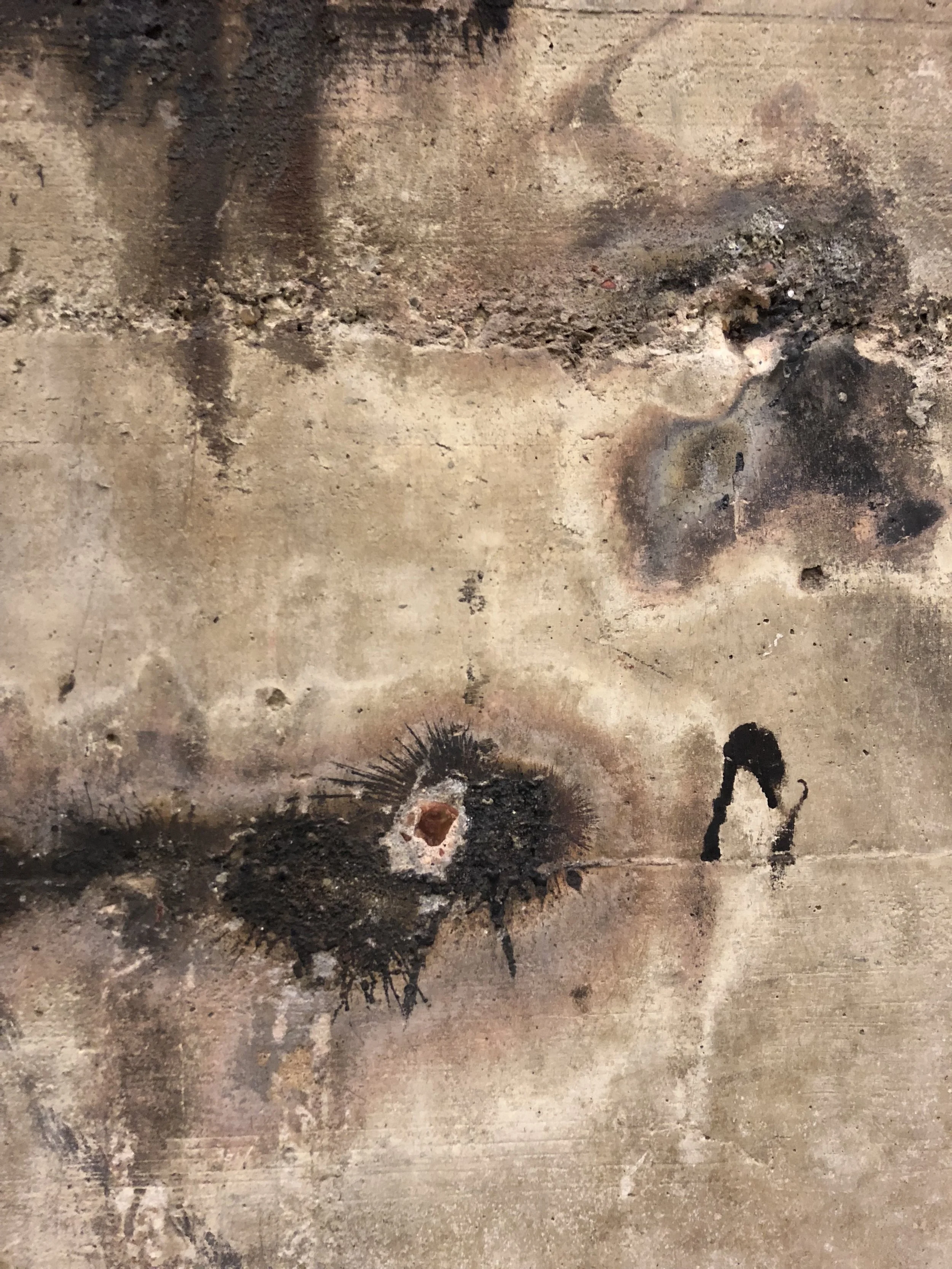
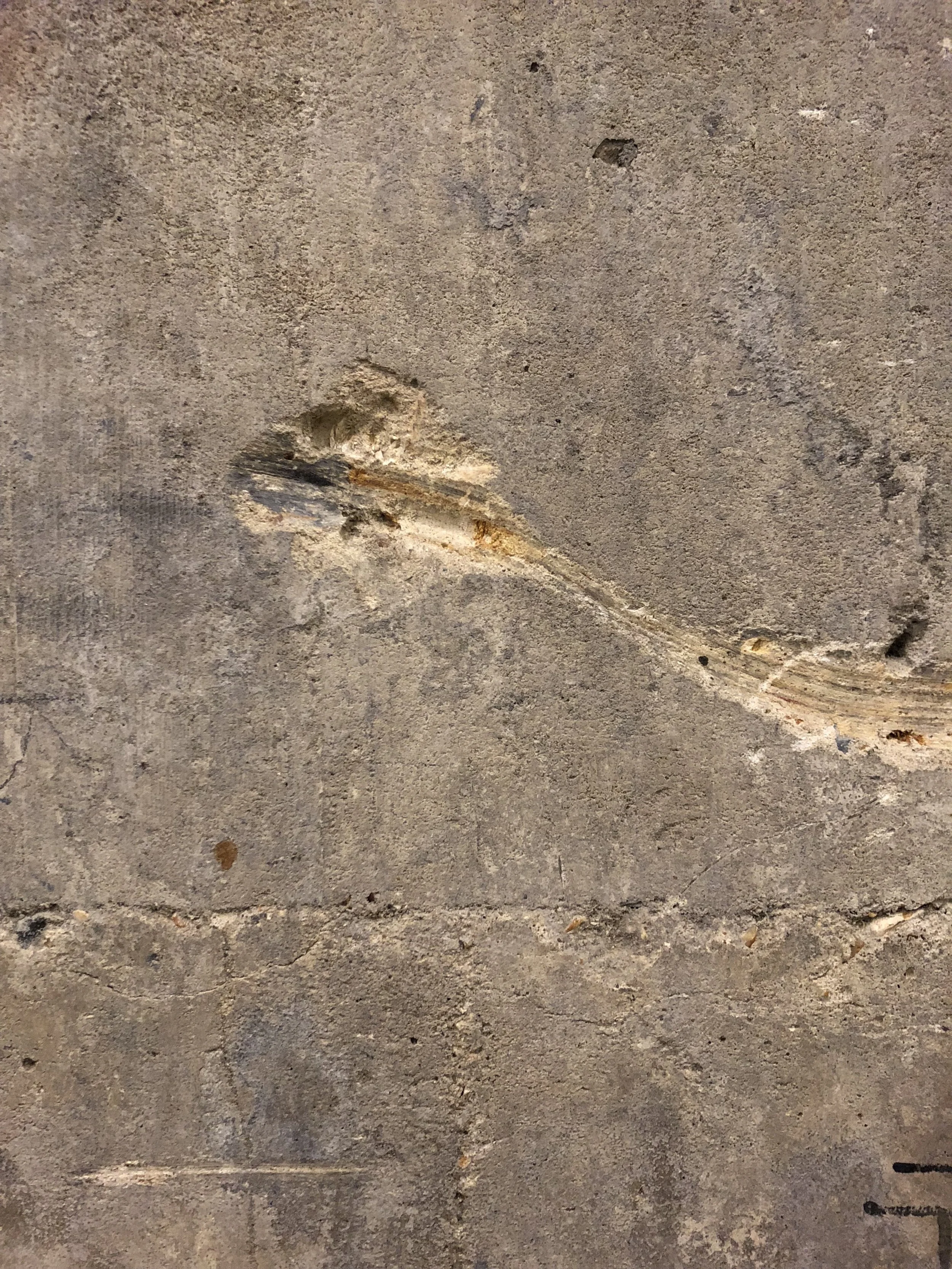
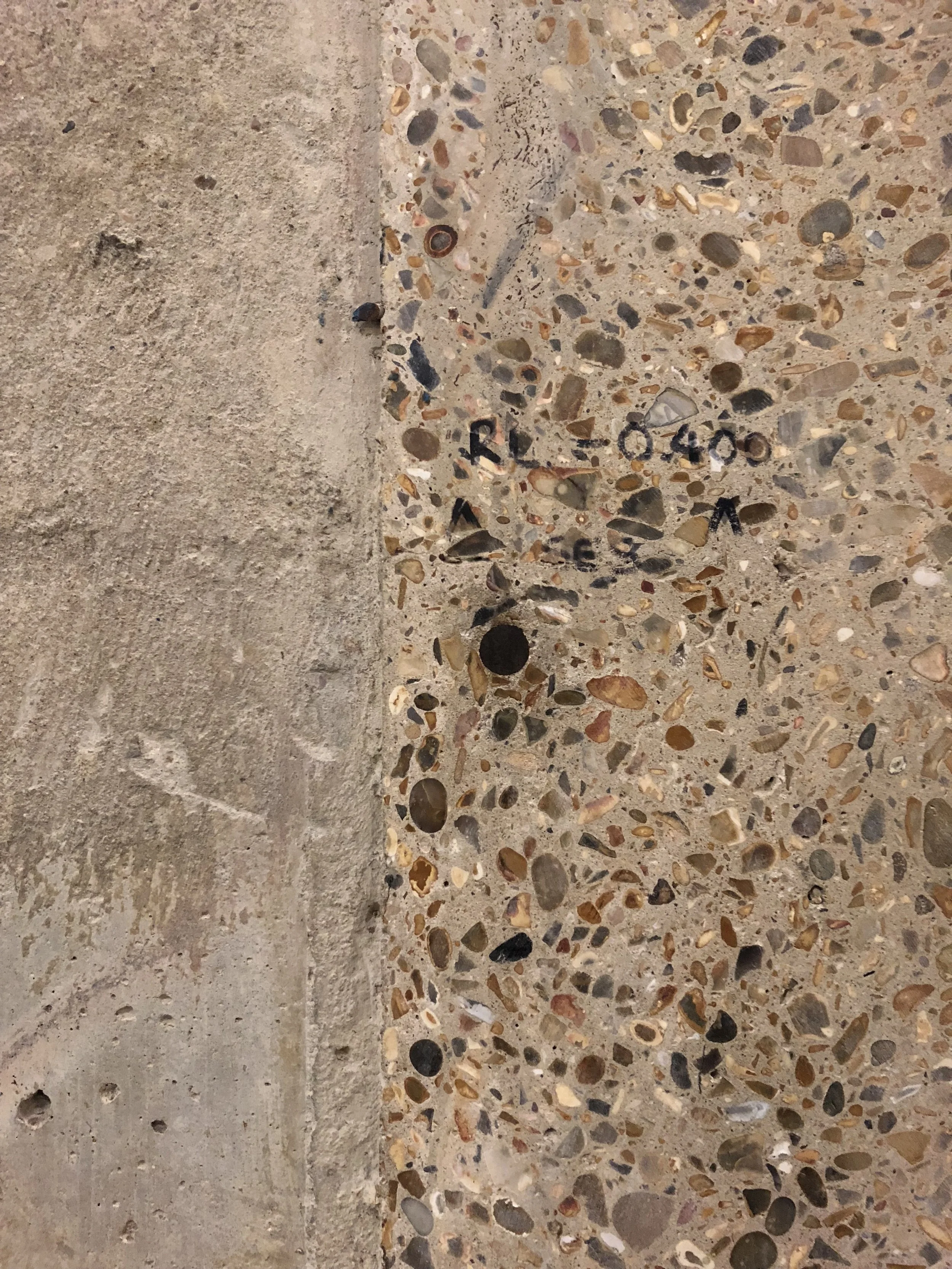
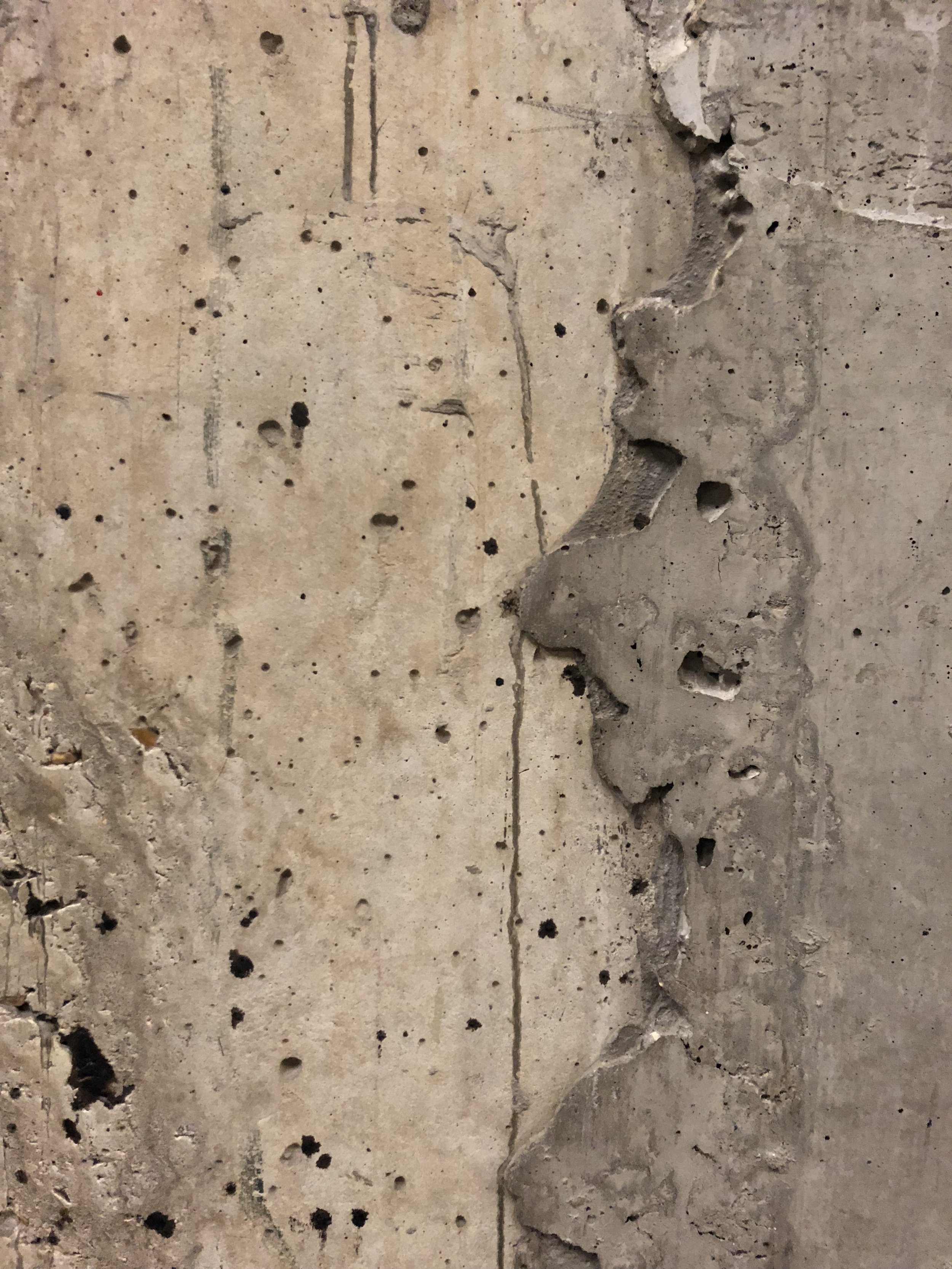
Philip is studying concrete and its potential to be used as a use for photographic imagery.

At Tate Modern The Tanks, for their existing surfaces and the Blavatnik for its fresh concrete, served up a hugely rich series of images all taken on an iPhone, 2017.  It is the intimacy of the view that records the making and the rub of time.

IMG_0821.JPG
IMG_0824.JPG
IMG_0825.JPG
IMG_0826.JPG
IMG_0827.JPG
IMG_0828.JPG
IMG_0830.JPG
IMG_0831.JPG
IMG_0832.JPG

CHRISTOPHER WRAY BUILDING

The former Christopher Wray Lighting Factory, Eastside, Birmingham, is an eclectic mix of buildings which has developed since the mid 18th century from a row of cottages to a light industrial complex. Now Grade 2 listed. Its most recent use was as the workshops and showroom for Christopher Wray lighting, who stopped using it around 10 years ago. 

Here is some more history http://savingbartholomewrow.com/planning-history/listing-particulars/


CR 3.jpg
CR 2.jpg
CR 4.jpg
CR 5.jpg
CR 6.jpg
CR 8.jpg
CR 9.jpg
CR 10.jpg

1 - 3 GREAT HAMPTON STREET

Looking across to the more established side of the street into the heart of the Jewellery Quarter, this group of three buildings reaches to four storeys, one with a turret.  Acquired for long-term and ambitious development by Blackswan as the value of the Jewellery Quarter spreads east.

A classic group of participants in the Pause Project with many traces of cafe, retail and residential life caught on camera here.

hamp 2.jpg
hamp 4.jpg
hamp 3.jpg
hamp 5.jpg
hamp 7.jpg
hamp 8.jpg

4 GREAT HAMPTON STREET

A substantial, three-storey building, adjacent to the previous shoot next door. 

The first floor contained a sauna, with its detritus from that use and the top floor housed an office and warehouse space; similarly, a few objects remained.

Sheets of polythene inexplicably hung from many different points; they had aged and were covered with huge amounts of pigeon guano, yet the surfaces seemed almost to have a fish-like, scaley patina.

A pause project, enlivened by the obert presence of pigeons.

num 4 25.jpg
num 2 3.jpg
num 4 2.jpg
num 2 4.jpg
num 4 5.jpg
num 4 6.jpg
num 4 8.jpg
num 4 9.jpg
num 4 10.jpg
num 4 11.jpg
num 4 12.jpg
num 4 13.jpg
num 4 15.jpg
num 4 16.jpg
num 4 17.jpg
num 4 18.jpg
num 4 19.jpg
num 4 20.jpg
num 4 21.jpg
num 4 22.jpg
num 4 23.jpg
num 4 24.jpg

JUNCTION WORKS

The Junction Works is at the heart of Digbeth in Birmingham, on Fazeley Street and part of what is known as Warwick Bar.

The building has a typical two storey street frontage, opening out to large warehouse spaces to the rear, one assumes served by the canal system.

The building was largely empty, making the Pause Project images in these spaces was more about the materiality and spatial quality before its likely new life as an art gallery space - which is a thrilling prospect.

JW 4.jpg
JW 8.jpg
JW 2.jpg
JW 7.jpg
JW 11.jpg
JW 9.jpg
JW 13.jpg
JW 10.jpg
JW 15.jpg
JW 17.jpg
JW 19.jpg

BOSTON CLOTHING JQ

wind 1.jpg
safe 1.jpg
light 1.jpg
Button Works key image P Singleton reduced file size March 2023 .jpg
prev / next
Back to Creative series - portfolio of images
7
SOLO SHOW
5
OVERPAINTED PHOTOGRAPHS
6
RESIN CASTS
3
COVENTRY CENTRAL
cs0.jpg
11
CLIFTON STEEL
12
FOUND OBJECTS
15
ROUND HOUSE
5
MUNICIPAL BANK
DSCF3616.JPG
7
SURFACES
4
MASONIC LODGE
9
COVENTRY EVENING TELEGRAPH
7
HERBERT HOUSE
8
GILDERS' YARD
6
SPAGHETTI JUNCTION
9
TATE MODERN
8
CHRISTOPHER WRAY BUILDING
6
1 - 3 GREAT HAMPTON STREET
22
4 GREAT HAMPTON STREET
11
JUNCTION WORKS
4
BOSTON CLOTHING JQ